

Hormones act as the chemical messengers of the body, orchestrating everything from your metabolism and mood to your reproductive health and energy levels. When these delicate chemical levels fluctuate out of sync, it can trigger a cascade of systemic effects. Understanding hormonal imbalance in women is the first step toward reclaiming your health, vitality, and overall well-being.
What Is Hormonal Imbalance in Women?
A hormonal imbalance in women occurs when there is either too much or too little of a specific hormone—such as estrogen, progesterone, insulin, or thyroid hormones—circulating in the bloodstream, disrupting normal bodily functions.
To understand what is hormonal imbalance in women, it helps to look at the endocrine system as a finely tuned orchestra. When key players like the ovaries, thyroid, or adrenal glands produce irregular amounts of hormones, the entire body feels the impact. Because hormones regulate menstrual cycles, metabolic rates, and emotional stability, even minor disruptions can lead to noticeable physical and psychological changes.
Common Signs and Symptoms of Hormonal Imbalance in Women
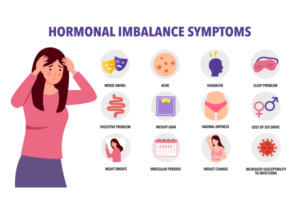
The most common signs include irregular periods, unexplained weight gain, chronic fatigue, persistent acne, hair thinning, and sudden mood shifts.
Recognizing the early warning signals can help you address underlying issues before they escalate. Because hormones control diverse systems, the signs of hormonal imbalance in women can vary widely from person to person.
-
Irregular Menstrual Cycles: Skipped periods, unusually heavy bleeding, or severe cramping are classic indicators.
-
Persistent Skin Breakouts: Adult hormonal acne, particularly around the jawline and chin, often points to elevated androgen levels.
-
Unexplained Weight Fluctuations: Difficulty losing weight or sudden, uncharacteristic weight gain—especially around the abdomen—frequently ties back to insulin resistance or thyroid imbalances.
-
Chronic Fatigue and Sleep Disruptions: Feeling exhausted despite a full night’s rest or suffering from night sweats and insomnia.
-
Hair Thinning or Hair Loss: Noticeable thinning on the scalp or, conversely, unwanted hair growth on the face and body (hirsutism).
Comprehensive Symptoms Checklist
Primary Causes of Hormonal Imbalance in Women
Common triggers include natural life transitions like puberty and menopause, chronic stress, poor diet, polycystic ovary syndrome (PCOS), and thyroid disorders.
Pinpointing the exact causes of hormonal imbalance in women requires looking at both internal medical conditions and external lifestyle factors.
-
Polycystic Ovary Syndrome (PCOS): A widespread endocrine disorder where the ovaries produce excess androgens, interfering with regular ovulation.
-
Thyroid Dysfunction: Both hypothyroidism (underactive thyroid) and hyperthyroidism (overactive thyroid) dramatically impact metabolic and reproductive hormones.
-
Chronic Stress: Prolonged psychological or physical stress forces the adrenal glands to pump out excess cortisol, which suppresses progesterone and estrogen production.
-
Perimenopause and Menopause: Natural aging phases where ovarian function declines, leading to a permanent drop in estrogen and progesterone.
Key Reasons Behind Sudden Hormonal Shifts
Sudden shifts are frequently driven by environmental toxin exposure, drastic dietary changes, lack of sleep, and underlying medical conditions.
Aside from chronic medical conditions, several daily lifestyle triggers serve as primary reasons of hormonal imbalance in women in the modern world:
-
Endocrine-Disrupting Chemicals (EDCs): Found in certain plastics, cosmetics, and household cleaners, chemicals like BPA and phthalates mimic natural hormones and disrupt receptor sites.
-
Severe Calorie Restriction or Poor Diet: Crash dieting or consuming excessive processed sugars damages insulin sensitivity and depletes vital building blocks needed for hormone synthesis.
-
Chronic Sleep Deprivation: Disrupted circadian rhythms interfere with the nightly release of growth hormone, melatonin, and cortisol regulators.
Effective Treatment Options and Management Strategies
Medical interventions vary depending on which hormones are out of balance and the severity of your symptoms. Standard approaches include:
-
Hormone Replacement Therapy (HRT): Often prescribed to manage severe perimenopausal or menopausal symptoms by supplementing declining estrogen and progesterone levels.
-
Birth Control Pills: Frequently used to regulate menstrual cycles, lower androgen production, and clear hormonal acne.
-
Medications for Insulin and Thyroid: Specialized drugs like metformin for insulin resistance or synthetic thyroid hormones to restore metabolic balance.
Natural Remedies and Lifestyle Adjustments
While medical treatments are essential for many, lifestyle modifications play a powerful supporting role in restoring natural harmony:
-
Nutrient-Dense Nutrition: Focus on healthy fats (avocados, olive oil), adequate lean proteins, and high-fiber vegetables to support liver detoxification and hormone clearance.
-
Stress Management Techniques: Incorporate mindfulness, yoga, or deep-breathing exercises to lower cortisol levels and give your endocrine system a chance to recover.
-
Targeted Supplements: Adaptogenic herbs like ashwagandha, along with magnesium and omega-3 fatty acids, can help modulate stress responses and reduce inflammation.

Conclusion
Navigating a hormonal imbalance can feel overwhelming, but understanding the underlying signs, causes, and treatment options puts you back in the driver’s seat of your health. By combining evidence-based medical guidance with sustainable lifestyle habits, you can restore your body’s natural equilibrium and achieve long-lasting vitality.
Frequently Asked Questions (FAQs)
Can a hormonal imbalance be completely cured?
Many hormonal imbalances can be successfully managed, reversed, or kept in long-term remission through a combination of lifestyle changes, dietary adjustments, and medical treatments. However, chronic conditions like PCOS or natural transitions like menopause require ongoing management rather than a permanent “cure.”
How is a hormonal imbalance diagnosed?
Doctors typically diagnose hormonal imbalances through a combination of a detailed medical history, physical examination, and specific blood tests. These tests measure hormone panels such as thyroid-stimulating hormone (TSH), estrogen, progesterone, testosterone, and fasting insulin levels.
Are there specific foods that help balance hormones?
Yes. Foods rich in healthy fats (like salmon, chia seeds, and walnuts), cruciferous vegetables (such as broccoli and cauliflower which help metabolize excess estrogen), and high-fiber complex carbohydrates can significantly support healthy endocrine function.
How long does it take to fix a hormonal imbalance?
Because hormones respond slowly to lifestyle modifications and medical therapies, it typically takes 3 to 6 months of consistent changes (such as improved diet, stress management, and medical protocols) to notice significant improvements in symptoms and cycle regularity.