
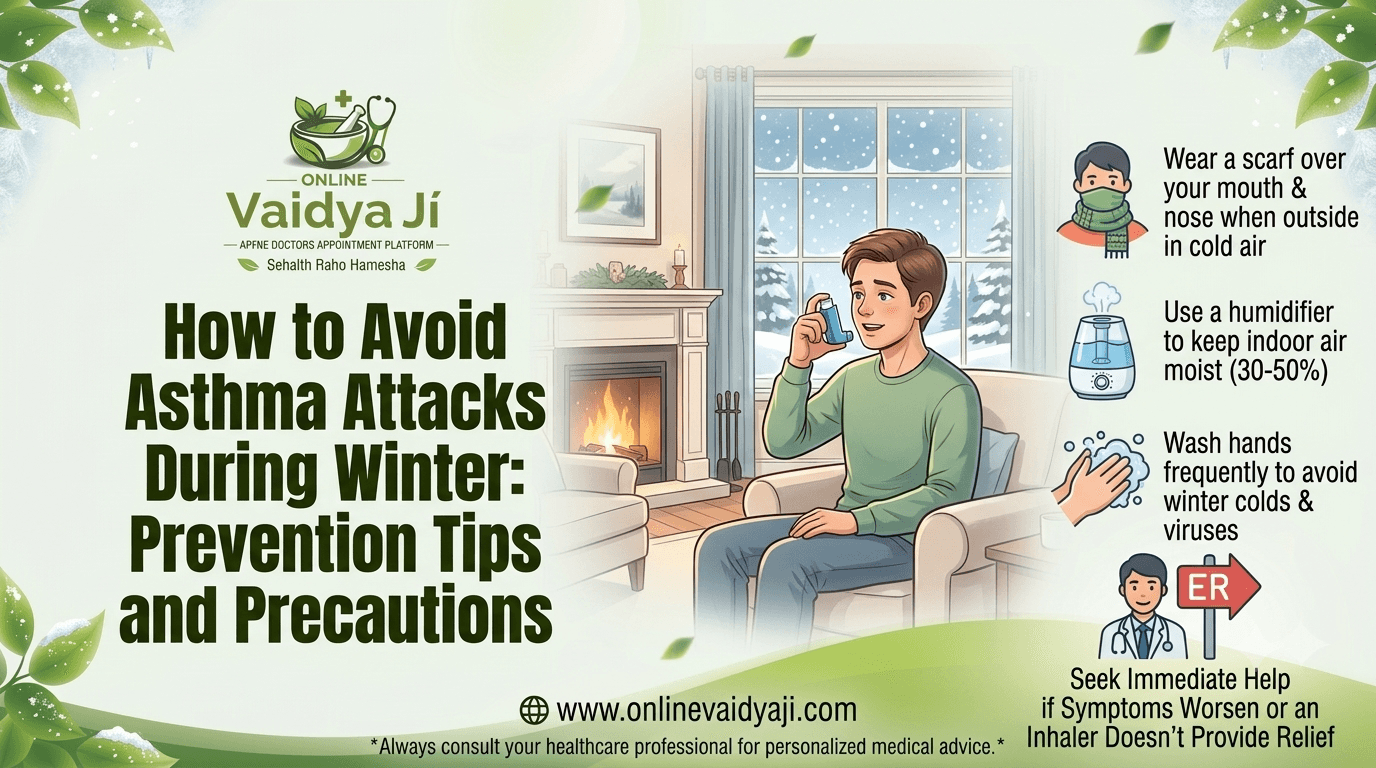
As temperatures drop and winter arrives, millions of people experience a sudden surge in respiratory discomfort. While the season brings festive cheer, crisp mornings, and cozy evenings, it also introduces unique challenges for individuals with chronic respiratory conditions. How to avoid asthma attacks during winter is one of the most critical health queries for patients and caregivers alike. Cold, dry air, seasonal viral infections, and increased time spent indoors surrounded by dust and allergens can severely irritate sensitive airways.
Understanding the underlying mechanisms of cold-weather respiratory distress and implementing proactive strategies can make all the difference. In this comprehensive guide, we explore expert-backed prevention tactics, common environmental factors, and actionable steps to safeguard your respiratory health throughout the colder months.
Understanding Common Winter Asthma Triggers
What are the primary factors that provoke respiratory distress when temperatures drop?
Winter asthma triggers primarily include freezing dry air, indoor allergens like dust mites and pet dander, circulating cold and flu viruses, and smoke from indoor heating sources or fireplaces.
When you breathe in cold air, your airways react by narrowing (bronchoconstriction), leading to coughing, wheezing, shortness of breath, and chest tightness. Unlike warm summer air, winter air lacks moisture. As this dry air enters the respiratory tract, it causes fluid lining the airways to evaporate rapidly, triggering nerve endings and muscle spasms in the bronchial tubes.
Furthermore, people spend significantly more time indoors during winter. This confinement increases exposure to indoor pollutants. Below are the key culprits responsible for exacerbating symptoms:
- Cold Air Inhalation: Directly chills and irritates the bronchial lining, sparking sudden spasms.
- Viral Infections: Influenza, rhinoviruses, and common colds thrive in colder months, acting as major catalysts for severe flare-ups.
- Indoor Allergens: Dust mites, mold spores, and pet dander accumulate quickly in poorly ventilated, tightly sealed homes.
- Biomass and Tobacco Smoke: Smoke from wood-burning fireplaces, space heaters, and secondhand tobacco smoke severely irritate sensitive lung tissues.
Essential Asthma Precautions During Winter
What immediate safety measures should patients adopt as the weather turns freezing?
Effective asthma precautions during winter revolve around shielding your airways from thermal shock, practicing rigorous hand hygiene to ward off infections, and strictly monitoring your daily peak flow readings.
Taking deliberate steps before stepping outside can drastically reduce the risk of a sudden medical emergency. Here are the core precautions every patient should integrate into their daily routine:
- Cover Your Nose and Mouth: Always wrap a clean scarf, woolen muffler, or specialized cold-weather mask loosely over your nose and mouth when going outdoors. This warms and humidifies the air before it reaches your lungs, preventing thermal irritation.
- Breathe Through Your Nose: Nasal passages naturally filter, warm, and moisten incoming air far more efficiently than the mouth.
- Prioritize Hand Hygiene: Wash your hands frequently with soap and water or use alcohol-based sanitizers. This simple habit minimizes your exposure to contagious cold and flu viruses that target the respiratory system.
- Monitor Weather Forecasts: Check local air quality indices and temperature drops before planning outdoor activities. On days with severe cold snaps or high smog levels, limit outdoor exposure.
Smart Tips to Manage Asthma in Cold Weather
How can individuals maintain an active lifestyle while keeping their airways protected?
Practical tips to manage asthma in cold weather include modifying your exercise habits, keeping your living space meticulously clean, and maintaining consistent communication with your healthcare provider regarding your winter action plan.
Read More Blog :
Indoor Exercise vs. Outdoor Workouts
Physical activity is vital for overall health, but exercising outdoors in freezing temperatures forces you to breathe rapidly through your mouth, pulling large volumes of cold, dry air deep into the lungs. Whenever possible, shift your workout routine indoors to a gymnasium, indoor track, or home fitness space during peak winter months.
Read More Blog : What is Hyperpigmentation and Why Does It Worsen in Summer?
Proper Warm-Up Routines
If outdoor exercise is unavoidable, never skip your warm-up. Spending 10 to 15 minutes doing light aerobic movements indoors allows your cardiovascular and respiratory systems to adapt gradually. Furthermore, using a prescribed rescue inhaler (short-acting beta-agonist) 15 to 20 minutes before exercising can prevent exercise-induced bronchoconstriction.
Adhering to Controller Medications
Winter is not the time to taper off daily controller medications unless explicitly instructed by your physician. Long-term controller inhalers (such as inhaled corticosteroids) reduce underlying airway inflammation, keeping your lungs resilient against seasonal triggers. Always carry your quick-relief rescue inhaler wherever you go.
Maintaining Indoor Air Quality
Because windows remain closed to trap heat, indoor air can quickly become stale and allergen-laden. Use a vacuum cleaner equipped with a High-Efficiency Particulate Air (HEPA) filter to trap fine dust mites and pet dander. Keep your living quarters strictly smoke-free—avoid wood-burning fireplaces and indoor incense, as combustion particles are potent respiratory irritants.
Comparison Table: Winter Asthma Management Strategies
To help you navigate the colder months effectively, here is a quick comparison of proactive versus reactive management approaches for winter respiratory care:
| Management Focus | Recommended Approach | What to Avoid | Clinical Benefit |
| Outdoor Exposure | Wearing a thermal scarf over the nose and mouth; breathing nasally. | Inhaling freezing, dry air directly through an open mouth. | Prevents sudden bronchial spasms and airway constriction. |
| Physical Activity | Working out indoors or performing a 15-minute indoor warm-up. | High-intensity outdoor cardio in sub-zero temperatures without preparation. | Reduces the severity of exercise-induced bronchospasm. |
| Medication Routine | Taking daily controller meds consistently and carrying a rescue inhaler. | Skipping preventive doses because symptoms seem dormant in autumn. | Maintains baseline airway stability and blocks sudden attacks. |
| Home Environment | Using HEPA air purifiers and damp-dusting surfaces weekly. | Burning wood in open fireplaces or allowing indoor tobacco smoke. | Eliminates major indoor allergens and combustion irritants. |

Conclusion
Learning how to avoid asthma attacks during winter comes down to proactive planning, avoiding key environmental triggers, and maintaining consistent airway care. Cold, dry air and increased indoor allergen exposure present real seasonal challenges, but taking direct action—such as covering your nose and mouth outdoors, exercising indoors, keeping your living space dust-free, and taking daily controller medications as prescribed—helps ensure your lungs remain calm and protected. Keep your rescue inhaler accessible at all times and consult your physician to fine-tune your personalized winter action plan so you can stay healthy and active all season long.
Frequently Asked Questions (FAQs)
1. Does cold weather directly cause asthma?
Cold weather itself is not a direct pathological cause of asthma, but freezing, dry air acts as a powerful physical trigger. It causes immediate bronchospasm and airway irritation in individuals who already possess sensitive or hyper-reactive airways.
2. Why do asthma symptoms often feel worse at night during winter?
Nighttime worsening is frequently linked to a natural circadian drop in cortisol (an anti-inflammatory hormone) during the early morning hours, combined with cooler bedroom temperatures and increased exposure to dust mites trapped in bedroom bedding and mattresses.
3. How can I distinguish between a winter cold and an asthma flare-up?
While both can cause coughing and shortness of breath, a viral cold is typically accompanied by systemic symptoms such as body aches, fever, sore throat, and nasal congestion. An asthma attack is primarily characterized by distinct wheezing, chest tightness, and a prolonged expiration phase, often relieved rapidly by a rescue inhaler.
4. Is it safe to use a wood-burning fireplace if I have asthma?
No, it is generally unsafe. Wood smoke contains microscopic particulate matter, carbon monoxide, and volatile organic compounds that severely irritate lung tissue and can provoke acute asthma attacks. If you use a fireplace, ensure proper chimney ventilation or switch to cleaner electric or gas heating alternatives.