
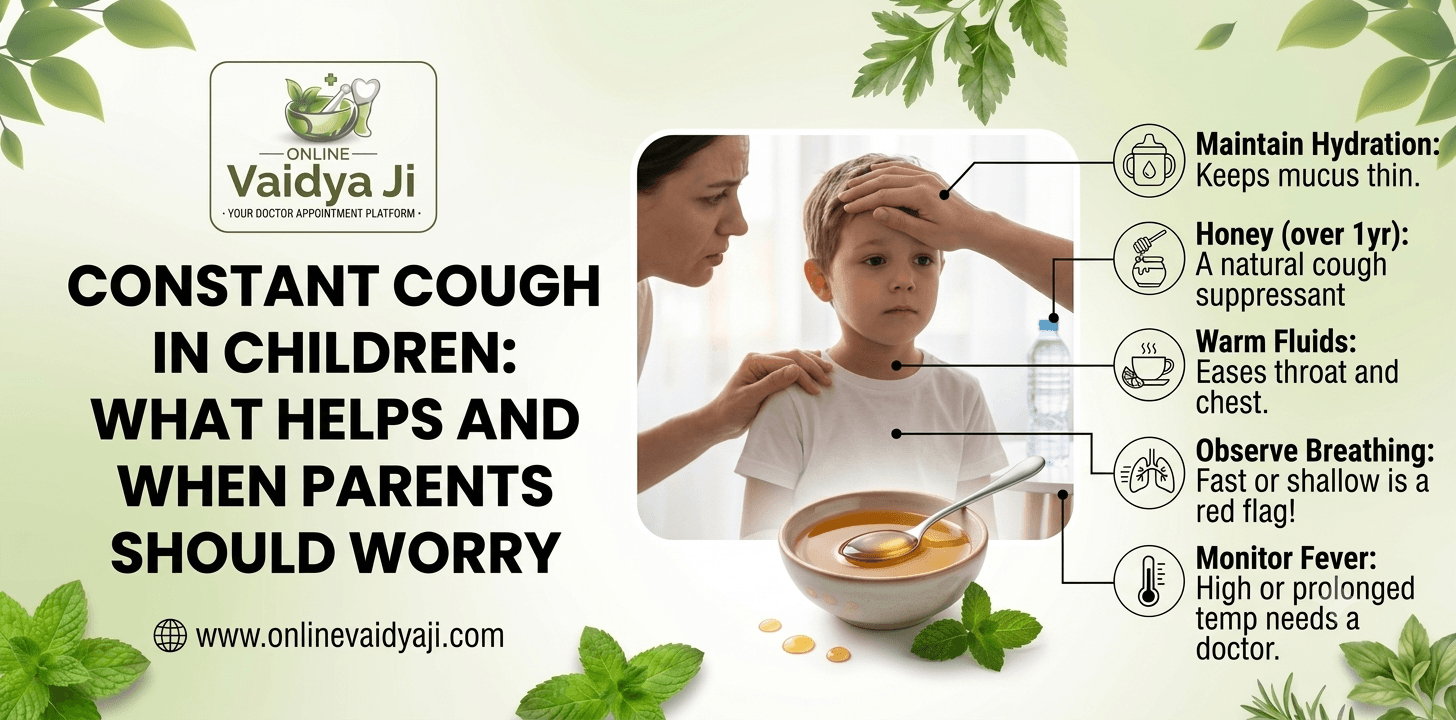
To learn how to stop a constant cough in child, focus on soothing the throat and thinning mucus safely. Key remedies include giving a spoonful of natural honey (for children over 1 year), maintaining high room humidity using a cool-mist humidifier, offering warm fluids, and using saline nasal drops to reduce post-nasal drip. Never give over-the-counter cough syrups to toddlers or infants without direct advice from a pediatrician.
Children frequently catch respiratory infections as their immune systems develop, making coughing one of the most common reasons for pediatric visits. While a cough is a natural protective reflex that clears dust, foreign particles, and excess mucus from the respiratory tract, watching your child cough non-stop can be heart-wrenching and exhausting for the entire family.
Understanding how to stop a constant cough in child requires knowing what triggers the spasms and applying home remedies that ease airway inflammation safely.
What Causes a Persistent Cough in Children?
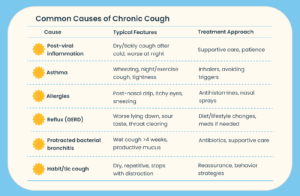
Identifying the underlying causes of constant cough in children is the first step toward effective relief. A cough can present as dry and hacking or wet and phlegmy depending on the respiratory trigger.
[ Viral Infections ] [ Environmental Triggers ] [ Allergic Rhinitis ] [ Nighttime Post-Nasal ]
Colds, flu, and RSV Cold air, tobacco smoke, Pollen, dust mites, and Mucus dripping down
causing airways inflammation. chemical fumes. pet dander irritation. throat while lying flat.
Common Triggers
- Viral Upper Respiratory Infections: Common colds, flu, and Respiratory Syncytial Virus (RSV) frequently cause prolonged airway hypersensitivity.
- Asthma and Bronchospasm: A dry, recurring cough that flares up after exercise, laughing, or cold air exposure may indicate childhood asthma.
- Allergies and Sinusitis: Airborne dust, pet dander, and environmental allergens inflame nasal linings, leading to chronic irritation.
- Post-Nasal Drip: When excess mucus drips down the back of the throat, it triggers continuous coughing, especially when a child coughing continuously at night lies flat in bed.
- Gastroesophageal Reflux (GERD): Stomach acid moving up into the esophagus can irritate the throat lining and cause chronic hacking.
How to Relieve Cough in Kids: Effective Home Remedies
When parents search for ways on how to relieve cough in kids, non-pharmacological, supportive care techniques offer the fastest and safest comfort.
Hydration & Warmth Pure Natural Honey Air Moisture & Saline
Warm water, clear broths, teaspoon for kids Cool-mist humidifier and
and warm soup to thin mucus. to coat & soothe the throat. isotonic saline nasal drops.
1. Pure Natural Honey (For Children Over 1 Year)
Honey acts as a natural demulcent, coating the back of the throat to reduce tickling sensations. Clinical studies show honey can be as effective as mild cough suppressants.
- Usage: Give 1/2 to 1 teaspoon of raw, natural honey before bedtime.
- Safety Warning: Never give honey to infants under 12 months due to the risk of infant botulism.
2. Hydration and Warm Liquids
Warm fluids thin thick mucus secretions, making them easier to clear without aggressive coughing fits.
- Offer warm water, warm milk, clear vegetable broths, or decaffeinated chamomile tea.
3. Steam Inhalation and Humidity
Moist air lubricates irritated airways and loosens dried mucus trapped in the bronchial tubes.
- Use a cool-mist humidifier in your child’s bedroom.
- Alternatively, sit with your child in a steamy bathroom for 10–15 minutes while running a warm shower.
4. Saline Nasal Drops and Elevation
If post-nasal drip is aggravating the throat, clear the nasal passages before bedtime.
- Apply 2 drops of normal saline into each nostril.
- Slightly elevate your child’s head using an extra pillow (for kids over 2 years old) to prevent throat pooling.
Why a Child Is Coughing Continuously at Night (And How to Fix It)
A child coughing continuously at night is a widespread issue that disturbs deep sleep cycles. Nighttime coughs are typically worse due to gravity and dry bedroom air.
| Nighttime Cough Trigger | Why It Happens | Actionable Solution |
| Flat Sleeping Posture | Mucus pools in the back of the pharynx, triggering coughing. | Elevate the head of the bed or use an extra pillow (kids >2 yrs). |
| Dry Bedroom Air | Air conditioning or indoor heating dries bronchial tissues. | Run a clean cool-mist humidifier continuously through the night. |
| Mite & Dust Allergies | Bedding collects allergen particles that irritate airways. | Wash bedsheets weekly in hot water and use allergen covers. |
| Nighttime Asthma Flare | Airway inflammation increases during late night hours. | Consult a doctor for prescribe rescue or controller inhalers. |
Medical Treatments vs. Home Care for Pediatric Coughs
Understanding when to use home remedies versus medical interventions is vital for child safety.
| Feature / Care Strategy | Natural Home Remedies | Over-the-Counter (OTC) Syrups | Medical Prescription
Care |
| Primary Indication | Mild viral colds, dry throat, minor congestion | NOT recommended under age 6 | Asthma, bacterial infection, severe croup |
| Key Ingredients | Honey, saline, steam, warm fluids | Antihistamines, decongestants | Inhalers, antibiotics, steroids |
| Safety Profile | Highly safe (follow age limits for honey) | Risk of side effects & accidental overdose | Safe when prescribed by a pediatrician |
| Mechanism | Soothes throat and thins mucus physically | Suppresses cough reflex chemically | Treats root underlying disease |
When Parents Should Worry: Warning Signs and Red Flags
While most coughs clear up on their own, knowing how to stop a constant cough in child also involves knowing when home remedies are not enough.
Respiratory Distress Persistent High Fever Unusual Cough Sounds
Chest retractions, wheezing Fever over 102°F (38.9°C) Barking seal-like cough or
fast breathing, blue lips.lasting more than 3 days. high-pitched ‘whoop’ sound.
Consult a Pediatrician Immediately If:
- Your child is under 3 months old and develops a persistent cough.
- You observe rapid breathing, grunting, or chest retractions (skin sucking in between or under ribs).
- The cough produces a barking sound (croup) or ends with a high-pitched “whoop” (whooping cough).
- Your child appears unusually lethargic, weak, or refuses all liquids.
- The persistent cough in children lasts longer than 3 to 4 weeks without improvement.

Conclusion
Learning how to stop a constant cough in child comes down to keeping airways hydrated, soothing inflamed throat tissues, and clearing post-nasal drip. Simple interventions like warm liquids, cool-mist humidifiers, saline drops, and natural honey (for children over 1 year) provide safe and effective relief.
If your child’s cough is accompanied by breathing difficulties, high fever, or lasts longer than a few weeks, consult your pediatrician promptly to ensure proper medical guidance and care.
Frequently Asked Questions (FAQs)
How can I stop my child’s cough naturally?
You can stop a child’s cough naturally by giving warm fluids, offering a teaspoon of honey (for children over 1 year old), using a cool-mist humidifier in their room, and clearing nasal passages with saline drops.
Can I give over-the-counter cough syrup to my toddler?
Pediatricians and medical organizations strongly advise against giving OTC cough and cold medications to children under 6 years of age. These syrups rarely treat the underlying cause and carry risks of unwanted side effects.
What causes a persistent cough in children after a cold?
A persistent cough in children following a viral cold is often caused by post-viral airway hyperresponsiveness or ongoing post-nasal drip. The bronchial tubes remain sensitive for several weeks after the virus clears.
Why does my child’s cough get worse at night?
Coughs worsen at night because lying flat allows nasal mucus to drip down the throat (post-nasal drip). Additionally, cool dry air in bedrooms irritates sensitive breathing tubes.