
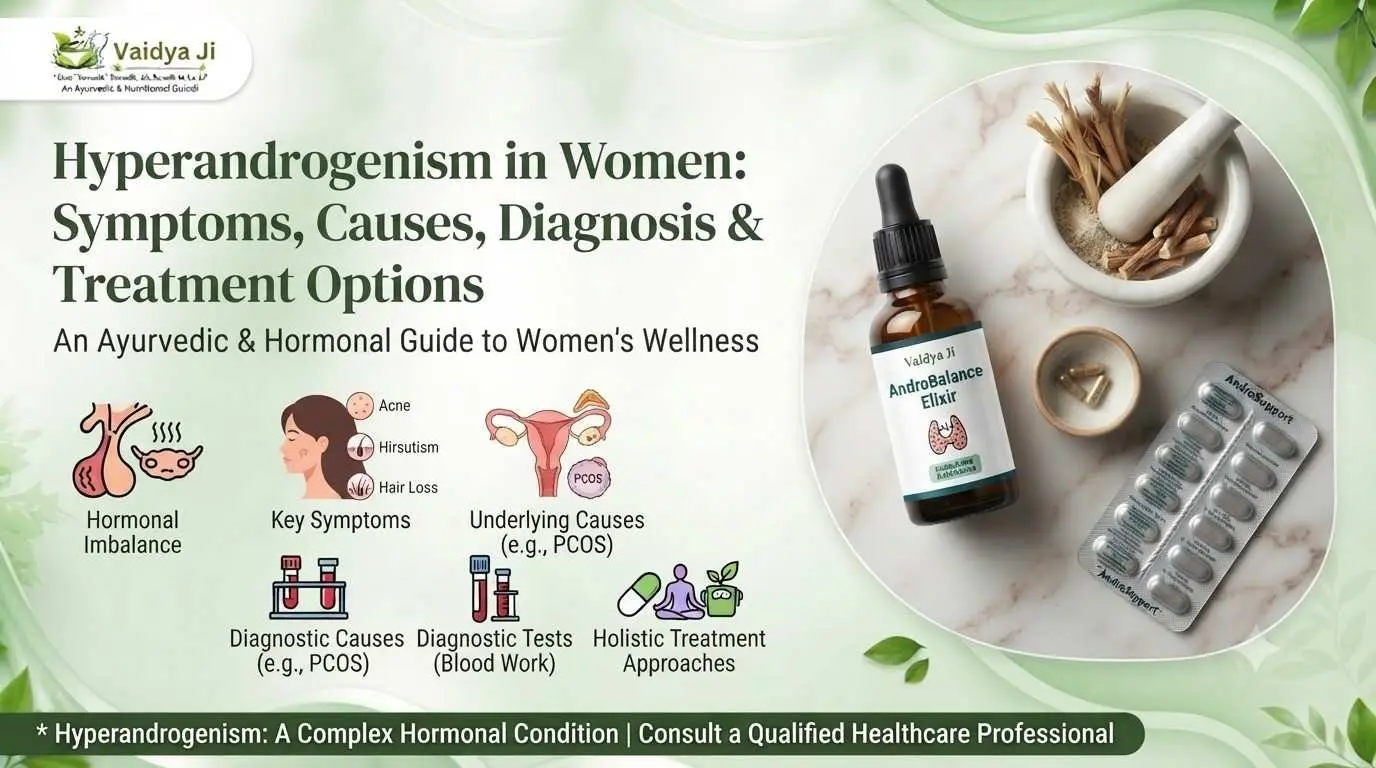
Persistent acne, unexpected facial hair, and irregular menstrual cycles can feel overwhelming and confusing. While these may seem like unrelated beauty or lifestyle concerns, they often point to an underlying hormonal imbalance. Understanding what happens when your body produces Hyperandrogens in Woman is the first step toward reclaiming your health and well-being.
What Is Hyperandrogenism?
Hyperandrogenism is a medical condition characterized by higher-than-normal levels or increased biological effects of androgens—often referred to as “male hormones,” such as testosterone—in females. Although men produce these hormones in larger quantities, women’s bodies also naturally produce androgens to support bone density, reproductive function, and overall energy. However, when excess androgens in females circulate in the bloodstream or tissues, it triggers distinct physical and metabolic changes.
How Do Androgens Affect the Female Body?
In a balanced hormonal ecosystem, androgens in females are synthesized in modest amounts by the ovaries and adrenal glands. They play a constructive role in maintaining muscle tone, libido, and bone strength.
However, when androgen activity becomes overactive, it disrupts normal physiological pathways. Target tissues in the skin, hair follicles, and reproductive organs react intensely to the surplus hormones. This biological shift alters sebum production, disrupts ovulation cycles, and triggers visible changes that often prompt individuals to seek medical evaluation.
Causes of Hyperandrogenism
Identifying the root cause of high androgen levels is vital for effective long-term management. Several distinct medical conditions can drive this hormonal disruption:
- Polycystic Ovary Syndrome (PCOS): By far the most prevalent root cause of high androgens in women of reproductive age.
- Congenital Adrenal Hyperplasia (CAH): An inherited genetic disorder affecting the adrenal glands, leading to abnormal hormone synthesis.
- Androgen-Secreting Tumors: Rare growths in the ovaries or adrenal glands that can rapidly pump out massive quantities of androgens.
- Cushing Syndrome: A hormonal disorder marked by prolonged exposure to high cortisol levels, which can secondary stimulate androgen production.
- Ovarian Hyperthecosis: A condition primarily seen post-menopause where specialized cells in the ovaries produce excessive androgens.
Hyperandrogenism Symptoms: What to Look For
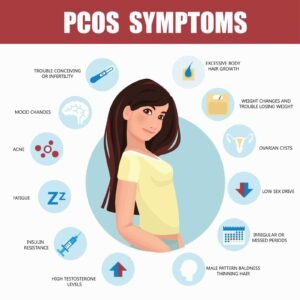
Recognizing hyperandrogenism symptoms early can prevent long-term complications. The clinical signs generally manifest across the skin, hair patterns, and reproductive system:
- Hirsutism: Coarse, dark hair growth on the face, chest, back, or abdomen.
- Persistent Acne: Severe or treatment-resistant breakouts driven by overactive oil glands.
- Scalp Hair Thinning: Pattern hair loss resembling male-pattern baldness.
- Irregular Menstrual Cycles: Infrequent, prolonged, or completely absent periods.
- Metabolic Shifts: Unexplained weight gain or challenges with blood sugar regulation.
| Symptom Category | Manifestation | Clinical Impact |
| Skin & Oil Glands | Severe acne, greasy skin | Emotional distress, scarring |
| Hair Growth Patterns | Hirsutism (face/body), hairline recession | Aesthetic concerns, psychological impact |
| Reproductive System | Oligomenorrhea or amenorrhea | Fertility challenges, anovulation |
How Is Hyperandrogenism Diagnosed?
An accurate diagnosis requires a comprehensive clinical approach combining medical history, physical exams, and laboratory testing.
- Clinical Evaluation: A physician reviews your complete medical history, menstrual tracking, and physical indicators such as pattern hair loss or unwanted facial hair growth.
- Blood Testing: Laboratory panels evaluate total testosterone, free testosterone, DHEAS, androstenedione, and other key metabolic markers to confirm biochemical elevation.
- Imaging Studies: Pelvic ultrasounds or adrenal CT/MRI scans may be ordered if doctors need to rule out structural abnormalities or rare tumors.
Hyperandrogenism Treatment: Managing Hormonal Health
Hyperandrogenism treatment is customized based on the underlying root cause, symptom severity, and whether the patient plans to become pregnant. Standard medical interventions include:
- Combined Oral Contraceptive Pills: Frequently prescribed to regulate menstrual cycles and suppress ovarian androgen production.
- Anti-Androgen Medications: Prescription drugs that block androgen receptors in target tissues, minimizing skin and hair symptoms. (These require strict birth control usage due to pregnancy risks).
- Lifestyle Modifications: Incorporating regular physical exercise, weight management, and low-glycemic dietary choices to improve insulin sensitivity.
- Dermatological & Hair Removal Therapies: Clinical options like laser hair removal, electrolysis, or specialized topical treatments for acne and skin texture.
Conclusion
Navigating the complexities of hyperandrogenism can feel overwhelming, but recognizing the signs early opens the door to effective management. Whether you are dealing with high androgens in females, stubborn acne, or unpredictable cycles, partnering with a qualified healthcare professional is essential. With a customized hyperandrogenism treatment plan combining lifestyle adjustments, medical therapies, and targeted care, you can successfully restore hormonal balance, protect your long-term metabolic health, and significantly improve your quality of life.
Frequently Asked Questions (FAQs)
Can hyperandrogenism affect fertility?
Yes. High androgen levels can interfere with normal ovulation, causing irregular or absent periods. However, many women successfully achieve pregnancy with proper diagnosis, medical management, and fertility support.
Is hyperandrogenism permanent?
Not necessarily. While certain genetic conditions require ongoing management, symptoms driven by lifestyle factors or common endocrine imbalances like PCOS can be successfully controlled, reversed, or managed over time.
What is the distinction between PCOS and hyperandrogenism?
Hyperandrogenism describes the high level or excess effect of androgens, whereas PCOS is a specific, multi-faceted metabolic and endocrine syndrome that frequently includes hyperandrogenism as one of its core diagnostic criteria.
Can diet and lifestyle changes help lower androgens?
Yes. Maintaining a healthy weight, exercising consistently, and eating a balanced diet that supports healthy blood sugar levels can significantly reduce free androgen indexes and improve overall hormonal balance.
What are the warning signs of severe or rapidly developing hyperandrogenism?
While standard symptoms develop gradually, certain red flags require immediate medical evaluation. These include sudden, rapid hair growth, a rapidly deepening voice, clitoromegaly (enlargement of the clitoris), or sudden muscle mass increases. Such rapid-onset changes can indicate rare androgen-secreting tumors of the ovaries or adrenal glands and demand prompt diagnostic testing.