

Itchy skin, clinically known as pruritus, is an uncomfortable, irritating sensation that creates an urge to scratch. Whether localized to a small patch or generalized across your entire body, persistent itching can disrupt your sleep, lower your productivity, and severely impact your quality of life. While minor irritation often resolves with basic self-care, understanding what triggers the sensation is vital for finding lasting relief.
What is Itchy Skin?

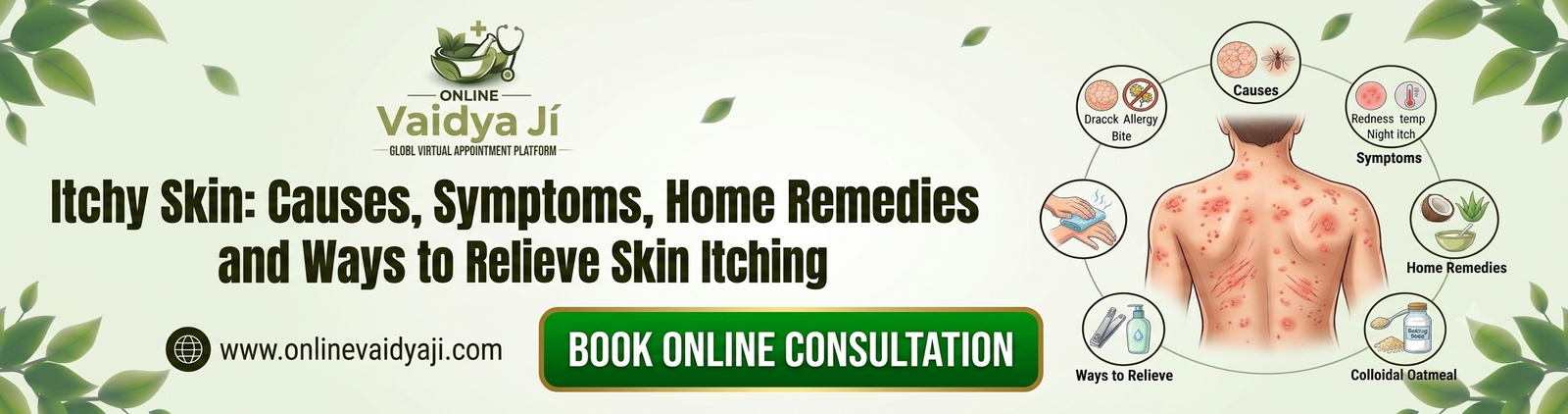
Itchy skin is an unsettling sensory response triggered by irritants, dryness, inflammation, or internal health signals sent from nerve fibers in the skin to the brain. While scratching offers temporary distraction, it often damages the skin barrier, leading to an aggravating “itch-scratch cycle” that worsens inflammation and increases the risk of bacterial infection.
Common Symptoms Accompanying Itchiness
- Redness, inflammation, or swelling
- Dry, cracked, or scaly skin texture
- Raised bumps, blisters, or hives (urticaria)
- Increased intensity during nighttime hours
Primary Causes of Itchy Skin
To find an effective itchy skin treatment, you must first pinpoint the root trigger. Triggers generally range from external environmental factors to complex internal conditions.
1. Environmental and Dermatological Triggers
- Severe Dry Skin (Xerosis): The most common culprit, often aggravated by cold winter weather, dry indoor heating, or excessive bathing in hot water.
- Allergies and Contact Dermatitis: Reactions to fabrics like wool, harsh laundry detergents, chemical fragrances, latex, or certain cosmetics.
2. Skin Itching Without Rash
Many individuals experience widespread skin itching without rash, which can be particularly perplexing. Without a visible surface indicator, causes often include:
- Systemic Conditions: Internal illnesses such as chronic kidney disease, liver dysfunction (cholestasis), thyroid imbalances, or diabetes can manifest as persistent itchiness.
- Nutritional Deficiencies: A shortage of essential nutrients—such as iron, vitamin B12, vitamin D, or zinc—can impair skin and nerve health, causing deep-seated discomfort.
- Neuropathic Issues: Nerve compression or damage (such as from shingles or stroke) sends misfired signals down nerve pathways, creating phantom itches without a rash.
Effective Home Remedies for Itchy Skin
When irritation strikes, you don’t always need heavy pharmaceuticals. Several safe natural remedies for skin itching can soothe inflammation right from your kitchen or bathroom cabinet.
1. Cold Compresses
Applying a cold, damp cloth or an ice pack wrapped in a towel to the affected zone for 5 to 10 minutes helps numb nerve endings and reduce localized inflammation.
2. Colloidal Oatmeal Baths
Finely ground colloidal oatmeal creates a protective barrier on the epidermis, sealing in hydration while its natural antioxidant and anti-inflammatory components calm irritated skin.
3. Deep Hydration with Fragrance-Free Moisturizers
Applying a thick, fragrance-free cream or ointment immediately after a lukewarm shower traps moisture within the skin barrier. Look for formulas containing ceramides to restore structural integrity.
Read More Blog : Can You Check Your Thyroid at Home? Tests, Symptoms, and Accuracy
Comparison of Natural and Medical Itch Relief Options
| Treatment Approach | Best Used For | Primary Benefits | Key Considerations |
| Cold Compresses | Acute, localized flare-ups | Instantly numbs nerves and cools inflammation | Temporary fix; needs repeated application. |
| Colloidal Oatmeal | Widespread dry or irritated skin | Soothes irritation and locks in moisture barrier | Requires a bathtub or specialized soaking products. |
| Topical Emollients | Daily maintenance and xerosis | Restores lipid balance and stops chronic dryness | Must be applied consistently (ideally post-shower). |
| Antihistamines | Allergy-driven itching or hives | Blocks histamine release to stop systemic allergic reactions | Less effective if the itch stems purely from dry skin. |
Proven Strategies on How to Stop Itching Fast
Knowing how to stop itching requires breaking the physical habit of scratching while optimizing your daily skincare routine.
- Keep Your Nails Short: Trim nails closely to minimize skin damage and prevent secondary bacterial infections if you scratch unconsciously.
- Wear Breathable Fabrics: Swap tight, synthetic clothing or scratchy wool for loose-fitting, soft cotton garments.
- Modify Your Shower Habits: Limit showers to 10 minutes using lukewarm water instead of piping-hot water that strips natural body oils.
Healthline - Use a Humidifier: Add moisture to indoor air during dry winter months to keep your skin barrier from dehydrating rapidly.
Conclusion
Managing itchy skin effectively comes down to identifying your specific triggers, breaking the destructive itch-scratch cycle, and maintaining a healthy skin barrier. By incorporating simple home remedies for itchy skin—such as colloidal oatmeal baths, cold compresses, and daily ceramic-rich moisturizers—you can calm mild irritation naturally and restore your comfort.
Frequently Asked Questions
What is the quickest way to stop itching?
The fastest way to calm acute itching is to apply a cold compress or ice pack wrapped in a clean cloth to the affected area, followed by a generous layer of a gentle, fragrance-free moisturizer. Avoid scratching, as it releases histamines that amplify the urge to itch.
Why is my skin intensely itchy without any visible rash?
Itching without a rash frequently points to internal or systemic triggers, such as severe skin dryness (xerosis), nerve irritation (neuropathic itch), nutritional gaps (like iron or vitamin B12 deficiencies), or underlying internal conditions affecting the kidneys, liver, or thyroid.
Which home remedies work best for natural skin relief?
Colloidal oatmeal baths, pure aloe vera gel, cold compresses, and intensive moisturizers containing ceramides are among the most trusted and dermatologist-recommended options for managing daily skin discomfort safely.
When should I see a doctor for itchy skin?
You should consult a healthcare professional or dermatologist if your itchiness persists for more than two weeks despite home care, interferes with your sleep, spreads across your entire body, or is accompanied by systemic signs like unexplained weight loss, fatigue, fever, or signs of skin infection.
What role do diet and hydration play in managing itchy skin?
Staying adequately hydrated helps maintain the skin’s internal moisture balance, preventing the tightness and flaking associated with dryness. Additionally, consuming a balanced diet rich in omega-3 fatty acids, antioxidants, and essential vitamins supports skin barrier health and reduces systemic inflammation that can trigger irritation.