
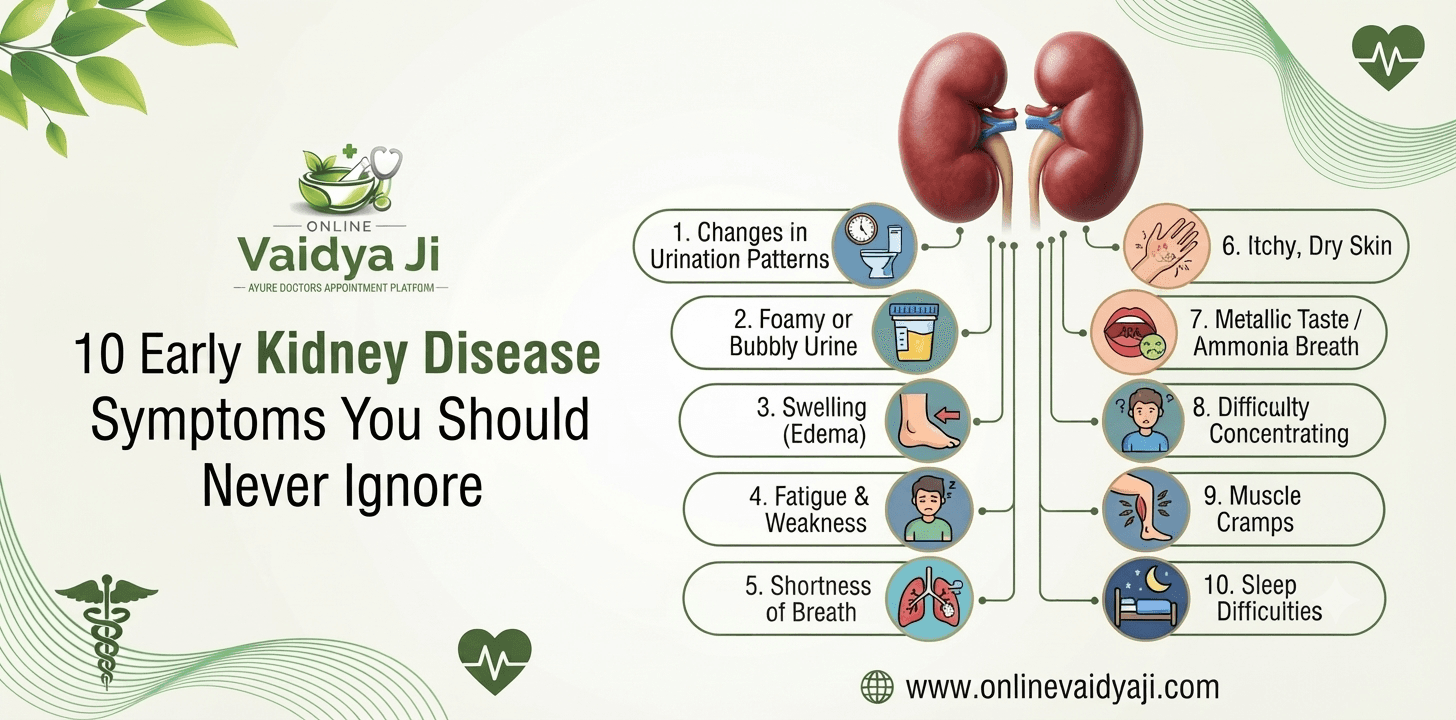
Your kidneys play a silent yet vital role in keeping your body healthy. These bean-shaped organs filter waste products, extra fluids, and toxins from your blood, regulate your blood pressure, maintain electrolyte balance, and produce hormones essential for bone health and red blood cell production.
Because kidneys have a remarkable ability to compensate for damage, kidney disease often develops quietly with little to no warning in its early stages. Many individuals do not realize a problem exists until the condition has progressed. Recognizing the early signs of kidney disease and seeking timely medical care can help slow or even prevent further kidney damage.
What Is Kidney Disease?
Kidney disease occurs when the structure or function of the kidneys is impaired, leading to a dangerous buildup of waste and fluids in the body. Depending on how rapidly symptoms develop, kidney disease is categorized into two main types:
- Acute Kidney Injury (AKI): A sudden drop in kidney function occurring over hours or days. It is often reversible if identified and treated promptly.
- Chronic Kidney Disease (CKD): A gradual loss of kidney function over months or years. It is usually irreversible and ranges from mild damage to complete kidney failure.
10 Early Kidney Disease Symptoms You Should Know
While early-stage chronic kidney disease often presents no symptoms at all, watching for subtle bodily shifts can save your life. Here are the primary warning signs:
1. Changes in Urination Patterns
One of the most frequent indicators of a kidney problem involves alterations in your bathroom habits. You may notice needing to urinate more often, particularly during the night (nocturia), or conversely, passing much less urine than usual.
2. Foamy or Bubbly Urine
Persistent, unusually foamy urine—requiring you to flush multiple times—often indicates excess protein (albumin) leaking into the urine. This is a classic early sign of glomerular filter damage.
3. Swelling (Edema) in Legs, Ankles, or Eyes
When damaged kidneys fail to remove extra fluid and sodium efficiently, fluid builds up in your tissues. This causes puffiness around your eyes or noticeable swelling in your feet, ankles, and legs.
4. Persistent Fatigue and Weakness
Healthy kidneys produce a hormone called erythropoietin (EPO), which tells your body to make oxygen-carrying red blood cells. When kidneys are damaged, EPO production drops, leading to anemia. This results in persistent tiredness, exhaustion, and generalized weakness.
5. Shortness of Breath
Shortness of breath can tie back to kidney disease in two ways: extra fluid building up in the lungs, or anemia starving your body of oxygen. You might find yourself breathless after mild exertion or while lying flat.
6. Itchy, Dry Skin
Your kidneys maintain the right balance of minerals and nutrients in your blood. When kidney function declines, mineral imbalances—especially phosphorus and calcium build-ups—can cause severe, persistent skin dryness and itching.
7. Metallic Taste in the Mouth or Ammonia Breath
A buildup of waste products in the blood (uremia) can alter your sense of taste, make food taste metallic, or cause bad breath that smells like ammonia. You might also notice a sudden loss of appetite for meats.
8. Difficulty Concentrating and Brain Fog
Toxin accumulation resulting from reduced kidney filtration can affect cognitive function. Affected individuals often report trouble concentrating, memory lapses, or feeling mentally foggy.
9. Muscle Cramps
Electrolyte imbalances are a direct consequence of impaired renal filtration. Low calcium levels, poor phosphorus control, or low magnesium can trigger painful muscle cramps, particularly in the legs.
10. Sleep Difficulties
When toxins circulate in the blood instead of leaving via urine, falling or staying asleep becomes difficult. Additionally, sleep apnea is significantly more common in people suffering from chronic kidney disease.
Read More Blog : Hormonal Imbalance in Women: Signs, Causes, Treatment & Natural Remedies
Causes of Kidney Disease
Understanding what triggers renal damage helps tailor prevention and treatment strategies effectively.
Common Causes of Acute Kidney Injury (AKI)
- Severe dehydration or sudden low blood pressure
- Serious infections or sepsis
- Urinary tract blockages, kidney stones, or an enlarged prostate
- Overuse or misuse of certain medications like NSAIDs (ibuprofen, naproxen)
Common Causes of Chronic Kidney Disease (CKD)
- Diabetes: High blood sugar damages the delicate filtering units inside the kidneys over time.
- High Blood Pressure (Hypertension): High pressure strains the blood vessels in the kidneys, reducing their filtering capacity.
- Glomerulonephritis: Inflammation of the kidney’s filtering clusters.
- Polycystic Kidney Disease: An inherited genetic disorder causing fluid-filled cysts to grow in the kidneys.
Comparison Table: Acute vs. Chronic Kidney Conditions
| Feature | Acute Kidney Injury (AKI) | Chronic Kidney Disease (CKD) |
| Onset Speed | Sudden (hours to days) | Gradual (months to years) |
| Reversibility | Often reversible with prompt medical care | Usually progressive and irreversible |
| Primary Markers | Rapid drop in urine output, abrupt creatinine spike | Elevated uACR, declining eGFR over time |
| Common Triggers | Dehydration, heavy blood loss, infections, blockages | Diabetes, hypertension, chronic glomerulonephritis |
How Is Kidney Disease Diagnosed?
If you suspect a kidney problem or experience concerning symptoms, doctors utilize specific diagnostic tools:
- Blood Tests: Measuring serum creatinine to calculate your estimated glomerular filtration rate (eGFR), indicating how efficiently your kidneys filter waste.
- Urine Tests: Assessing the urine albumin-to-creatinine ratio (uACR) to detect abnormal protein leakage.
- Imaging Tests: Utilizing ultrasounds, CT scans, or MRIs to check for structural anomalies, scarring, or obstructions.
- Kidney Biopsy: Extracting a microscopic tissue sample in specialized cases to determine the exact cause of damage.
Effective Lifestyle Tips to Manage Kidney Disease
- Follow Medication Regimens: Take prescribed medications precisely as directed and never alter dosages independently.
- Adopt a Renal-Friendly Diet: Work with a dietician to manage sodium, potassium, and phosphorus intake.
- Stay Active: Incorporate gentle physical activities like walking, yoga, or swimming into your daily routine.
- Prioritize Sleep and Stress Management: Keep a consistent sleep schedule and practice relaxation techniques to lower blood pressure.
Conclusion: Understanding Kidney Disease Symptoms for Better Health
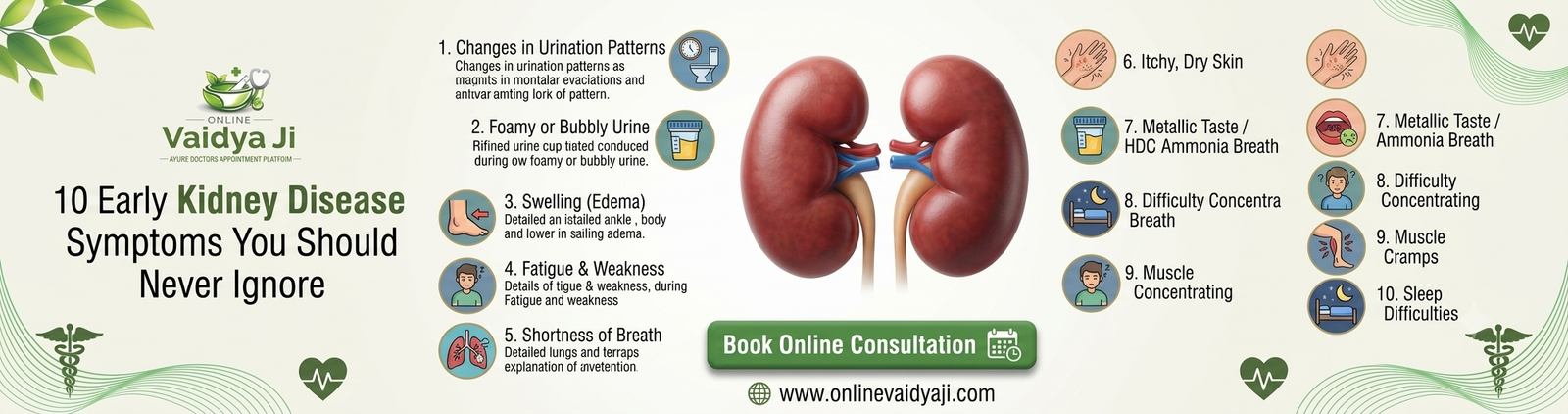
Recognizing kidney disease symptoms early can mean the difference between managing a manageable condition and facing irreversible renal failure. Because your kidneys perform vital daily tasks—filtering toxins, controlling fluid balances, and regulating blood pressure—ignoring subtle warning signs like foamy urine, swollen ankles, or persistent exhaustion can lead to severe health complications.
Frequently Asked Questions (FAQs)
What are the very first signs of kidney trouble?
Early kidney disease is often silent. However, subtle initial clues can include foamy urine, slight swelling in the ankles, changes in nighttime urination frequency, or unexplained fatigue.
How can I know if I have a kidney problem at home?
While definitive diagnosis requires clinical lab work, monitoring for persistent swelling, foamy urine, or high blood pressure combined with routine blood and urine screenings at your clinic can catch issues early.
What causes kidney problems to start?
The two leading global causes are diabetes and uncontrolled high blood pressure. Other causes include recurrent infections, genetic disorders, kidney stones, and long-term abuse of pain-relieving medications (NSAIDs).
What is nephrology and when should I see a specialist?
Nephrology is the subspecialty of internal medicine focused on kidney care and diseases. You should consult a nephrologist if your routine blood or urine tests show declining kidney function, persistent blood or protein in your urine, or uncontrolled hypertension.
Can early-stage kidney disease be reversed?
Acute Kidney Injury (AKI) is often fully reversible if the underlying trigger—such as severe dehydration or a drug reaction—is treated promptly. Chronic Kidney Disease (CKD) is generally progressive and irreversible, but early lifestyle changes, diet modification, and medication can slow its advancement and protect remaining kidney function.