
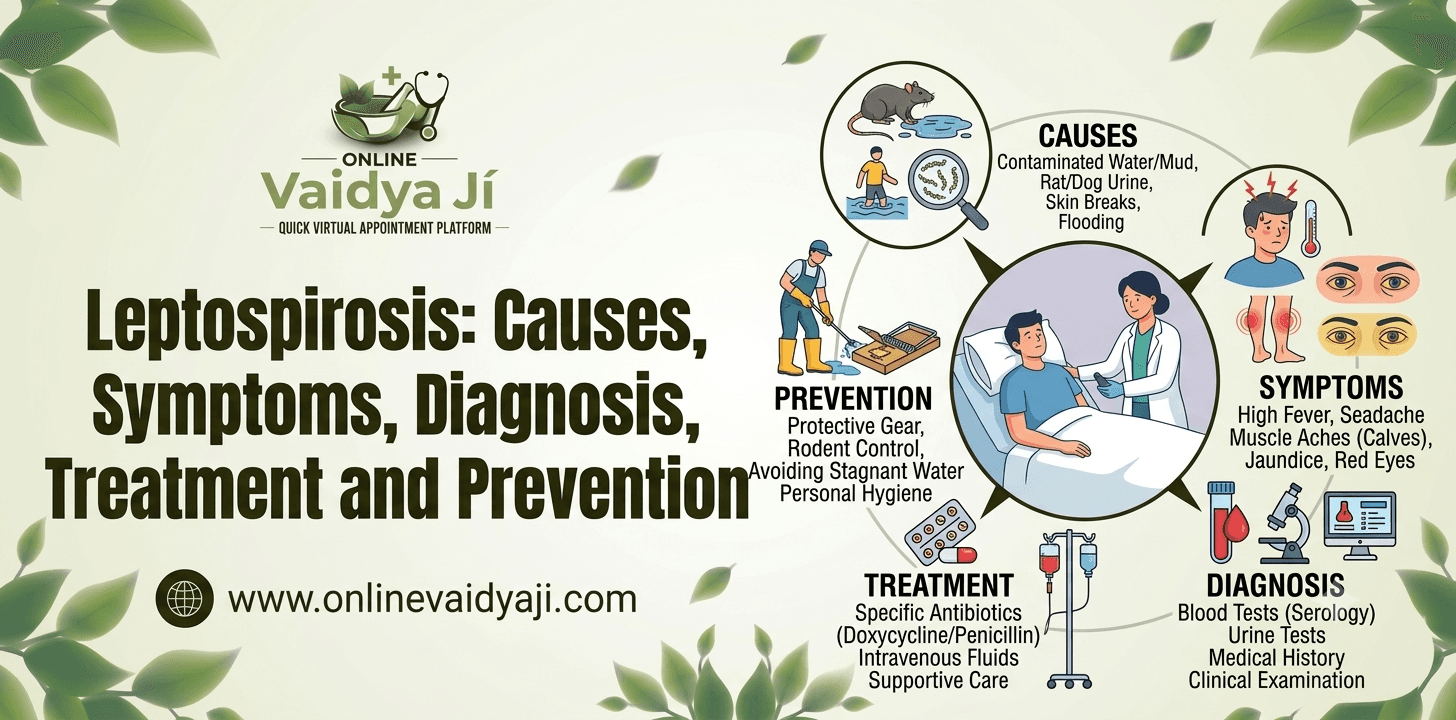
Leptospirosis is a zoonotic bacterial infection that affects both humans and animals. Caused by spiral-shaped bacteria of the genus Leptospira, the disease is typically transmitted through water or soil contaminated with the urine of infected animals, such as rodents, cattle, pigs, and dogs. While many cases present as a mild, self-limiting flu-like illness, delayed or untreated infections can progress into severe complications involving the liver, kidneys, and lungs.
What is Leptospirosis?
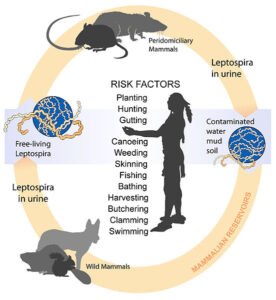
Leptospirosis is a bacterial disease spread primarily through contact with water or soil contaminated by animal urine. It enters the body through skin breaks or mucous membranes, triggering symptoms that range from mild fevers to severe multi-organ failure.
The infection is globally distributed but is particularly prevalent in tropical and subtropical regions with high rainfall or frequent flooding. When humans come into contact with bacteria-tainted environments during outdoor activities or occupational duties, the pathogen can breach the body and enter the bloodstream.
Causes of Leptospirosis
Quick Answer: The primary cause of a leptospirosis infection is direct or indirect exposure to the urine of infected carrier animals. The bacteria can survive in moist soil and water for weeks or months.
The transmission cycle involves various wildlife, livestock, and domestic pets that shed Leptospira bacteria through their urine. Common pathways include:
- Contaminated Water: Wading, swimming, or working in floodwaters, rivers, or stagnant ponds carrying animal urine.
- Contaminated Soil: Handling wet soil or mud where the bacteria persist.
- Direct Animal Contact: Handling tissues, blood, or urine from infected livestock, dogs, or rodents without proper protective wear.
- Broken Skin and Mucous Membranes: Bacteria enter effortlessly through cuts, abrasions, or the delicate membranes of the eyes, nose, and mouth.
Leptospirosis Symptoms
Quick Answer: Leptospirosis symptoms typically appear two days to four weeks after exposure and often follow a biphasic course, beginning with sudden high fever, severe headache, muscle aches, and red eyes.
The illness frequently manifests in two distinct phases:
- Acute (Septicemic) Phase: Characterized by sudden flu-like manifestations including chills, intense muscle pain (particularly in the calves and lower back), vomiting, diarrhea, and conjunctival suffusion (red eyes without discharge).
- Immune Phase: In more severe instances, the disease progresses, leading to organ involvement. Severe forms (such as Weil’s syndrome) present dangerous indicators like jaundice (yellowing of skin and eyes), kidney dysfunction, and internal bleeding.
Leptospirosis Diagnosis
Quick Answer: Leptospirosis diagnosis relies on clinical evaluation of symptoms, detailed occupational or travel exposure history, and confirmatory laboratory blood or urine tests.
Because initial signs mimic other common tropical or viral infections, physicians look closely at recent flood exposure, occupational risks, and travel backgrounds. Standard diagnostic methodologies include:
- Serological Tests: Assays like the Microscopic Agglutination Test (MAT) or ELISA to detect antibodies against Leptospira.
- Polymerase Chain Reaction (PCR): Molecular testing to identify bacterial DNA in blood or urine samples during early infection phases.
- Blood and Liver/Kidney Panels: Evaluating elevated bilirubin, urea, and creatinine levels to gauge internal organ stress.
Leptospirosis Treatment Options
Quick Answer: Leptospirosis treatment primarily involves targeted antibiotic regimens prescribed by a healthcare provider, coupled with supportive care for severe manifestations.
Timely medical intervention halts disease progression and shortens recovery duration:
- Oral Antibiotics: Mild cases are managed effectively at home using prescribed courses of oral antibiotics such as doxycycline or azithromycin.
- Intravenous (IV) Antibiotics and Hospitalization: Severe infections require hospital admission for IV antibiotic administration and rigorous vital monitoring.
- Supportive Care: Management of complications may necessitate fluid resuscitation, mechanical ventilation for pulmonary distress, or dialysis for acute kidney injury.
Leptospirosis Prevention Strategies
Quick Answer: Leptospirosis prevention centers on minimizing contact with contaminated water and soil, utilizing personal protective equipment, and practicing proper hygiene.
| Preventive Measure | Description | Target Group / Scenario |
| Personal Protection | Wear waterproof boots, gloves, and clothing when working in muddy or flood-prone environments. | Agricultural workers, veterinarians, sewer staff |
| Wound Management | Clean and cover all cuts, scrapes, and open skin wounds with waterproof dressings before outdoor exposure. | General public, hikers, and flood cleanup crews |
| Water Safety | Avoid swimming or wading in stagnant surface water or floodwaters; consume only boiled or bottled water. | Travelers and residents in flood-affected regions |
| Rodent Control | Implement robust sanitation and pest control measures to minimize rodent infestations around living spaces. | Residential and commercial property managers |
Mild vs. Severe Leptospirosis: A Clinical Comparison
| Parameter | Mild (Anicteric) Leptospirosis | Severe (Weil’s Syndrome) |
| Frequency | Accounts for ~90% of all reported cases. | Occurs in a small percentage of untreated or advanced cases. |
| Key Indicators | High fever, chills, mild headache, myalgia, and red eyes. | Jaundice, kidney failure, pulmonary hemorrhage, and shock. |
| Management | Outpatient care with oral antibiotics and rest. | Immediate hospitalization, IV medications, and organ support. |

Conclusion
Understanding leptospirosis—including its causes, early symptoms, diagnostic methods, treatment options, and preventive measures—is essential for reducing infection risk and preventing serious medical complications. Because a leptospirosis infection often starts with flu-like symptoms, early detection and prompt medical evaluation are critical for effective recovery. By staying cautious around potentially contaminated water and soil, wearing appropriate protective gear, and practicing good personal hygiene, you can significantly lower your risk of contracting leptospirosis. If you suspect exposure to contaminated sources
Frequently Asked Questions (FAQs)
What are the earliest warning signs of leptospirosis?
The earliest warning signs typically include a sudden high fever, severe frontal headache, intense muscle aches (especially in the calves), chills, and red, irritated eyes without discharge. These symptoms usually emerge within a few days to four weeks after contact with contaminated sources.
Is leptospirosis contagious between humans?
No, human-to-human transmission is extremely rare. The infection is zoonotic, meaning it spreads primarily from animal urine to humans via environmental vectors like contaminated soil or floodwater.
Can leptospirosis be cured completely?
Yes, when diagnosed promptly, leptospirosis is fully curable with standard antibiotic therapies. However, severe complications arising from delayed care can result in permanent organ damage or prove life-threatening.
Who is at the highest risk of contracting leptospirosis?
Individuals with high occupational exposure—such as farmers, veterinarians, slaughterhouse workers, and sewer maintenance personnel—face elevated risks. Additionally, people living in areas with poor sanitation infrastructure or those engaging in freshwater recreational activities following heavy rainfall or floods are more vulnerable.