
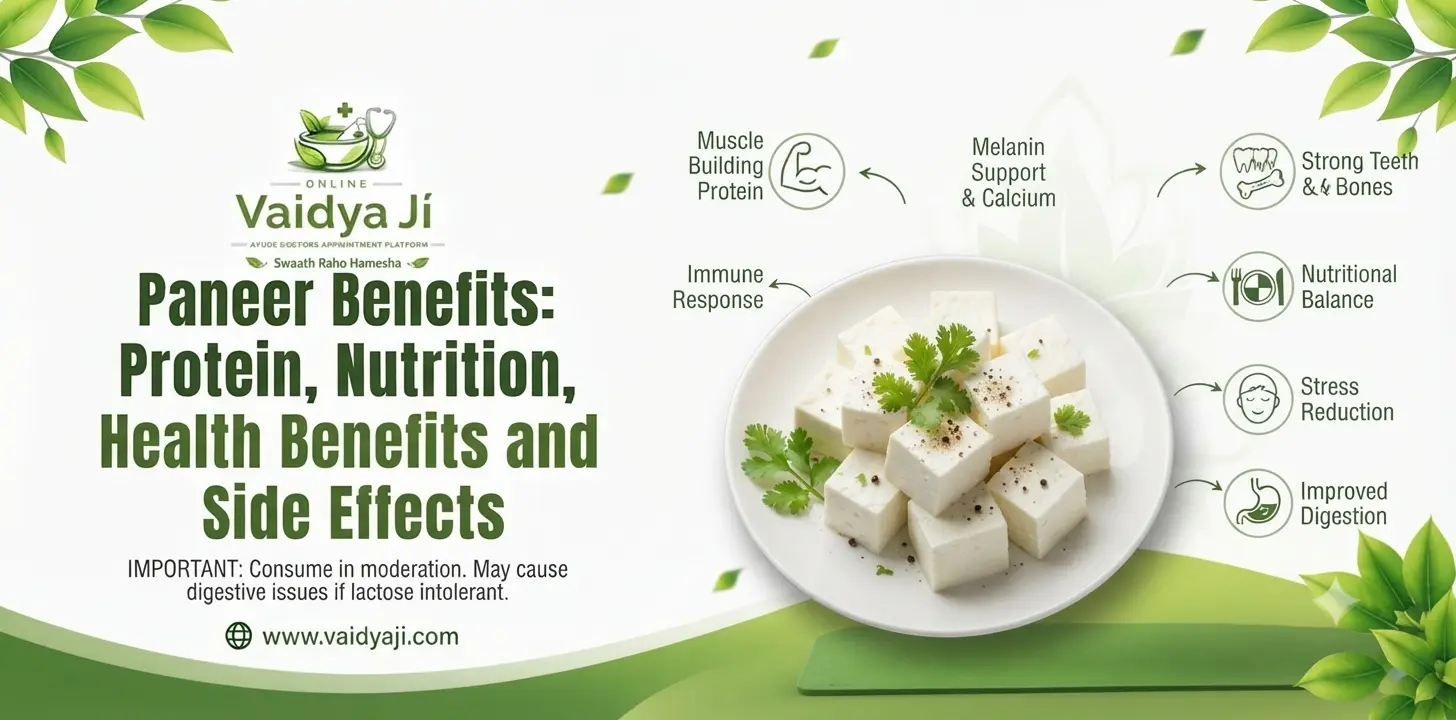
Paneer (Indian cottage cheese) is a staple in households across South Asia, celebrated for its rich, creamy texture and versatility in cooking. Beyond its culinary appeal, understanding paneer benefits and side effects is essential for anyone looking to balance a healthy lifestyle. Whether you follow a vegetarian diet for muscle building or want to improve your daily nutrition, incorporating paneer can offer incredible health advantages when consumed mindfully.
What is Paneer?
Paneer is an unaged, acid-set, non-melting soft cheese made by curdling heated milk with an acidic agent like lemon juice, vinegar, or yogurt. Known for its marble-white appearance and mild, milky taste, it is a primary source of vegetarian protein. Because it does not melt easily under heat, it is widely used in curries, grilled dishes, snacks, and salads.
Read More Blog : Butterfly Pea Tea Benefits: Uses, Nutrition, How to Make It & Side Effects
Nutritional Value of Paneer
When examining paneer health benefits, its nutrient profile stands out. It is packed with macronutrients and essential micronutrients.
Per 100 grams, standard paneer provides:
| Nutrient | Amount per 100g |
| Calories | 323 kcal |
| Protein | 15.0 g |
| Total Fat | 27.0 g |
| Carbohydrates | 5.0 g |
| Calcium | 350 mg |
| Phosphorus | 350 mg |
| Magnesium | 25 mg |
| Potassium | 63 mg |
Additionally, paneer is a natural source of Vitamin A, Vitamin B-complex (including B12, folate, and riboflavin), zinc, and selenium, which collectively support overall well-being.
Top Health Benefits of Paneer
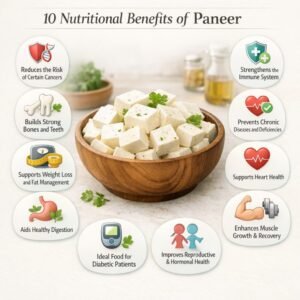
Adding this dairy favorite to your regular meal rotation unlocks several paneer health benefits:
1. Supports Muscle Growth and Repair
Being a rich source of complete protein, paneer provides all nine essential amino acids that the human body cannot synthesize on its own. This makes it an exceptional food for fitness enthusiasts, athletes, and vegetarians aiming to repair muscle tissue and build lean mass.
2. Strengthens Bones and Teeth
High concentrations of calcium and phosphorus make paneer a powerful ally for skeletal health. Regular and moderate consumption supports bone mineral density, lowers the risk of osteoporosis, and promotes strong teeth in both children and adults.
3. Aids in Weight Management
Although paneer contains healthy fats, its high protein and low carbohydrate content helps induce satiety. Eating moderate portions keeps you full for longer, curbing unhealthy cravings and supporting balanced weight loss goals.
4. Regulates Blood Pressure
Paneer contains essential minerals like potassium, magnesium, and calcium, which play a central role in vascular health. Potassium helps counterbalance sodium levels in the body, assisting in the regulation of healthy blood pressure.
5. Boosts Immunity and Digestion
The presence of active micronutrients, selenium, and zinc acts as an antioxidant defense, shielding cells from oxidative stress. Furthermore, adequate phosphorus and magnesium promote smooth digestive and metabolic processes.
Read More Blog : Gluten Allergy: Symptoms, Causes, Diagnosis, Treatment & Prevention
Potential Disadvantages and Side Effects of Paneer
While the advantages are numerous, understanding the disadvantages of paneer blog insights helps prevent adverse health reactions:
- High Saturated Fat and Calorie Content: Paneer is dense in calories and fats. Overindulgence can lead to unintended weight gain and elevated cholesterol levels, particularly for individuals with preexisting cardiovascular concerns.
- Lactose Intolerance Issues: Although lower in lactose than fluid milk, paneer still contains trace amounts of lactose. Highly sensitive individuals may experience bloating, gas, or mild digestive discomfort.
- Risk of Microbial Spoilage: Fresh paneer has a very short shelf life and spoils rapidly at room temperature. Consuming contaminated or expired paneer can lead to severe food-borne infections and stomach upsets.
Smart Tips for Consuming Paneer Safely
To maximize paneer benefits while minimizing any risks, keep these practical guidelines in mind:
- Portion Control: Limit daily intake to a moderate serving (about 50g to 100g) to keep calorie and fat intake in check.
- Opt for Low-Fat or Homemade Varieties: Preparing paneer at home using skimmed or low-fat milk significantly reduces calorie and saturated fat counts.
- Proper Storage: Always refrigerate fresh paneer below 10°C and consume it within 3 days. Check for a firm texture and pleasant odor before cooking.
Conclusion
Incorporating paneer into your daily diet offers a fantastic blend of incredible taste and robust nutrition. From high-quality protein and bone-strengthening calcium to essential vitamins, understanding the full scope of paneer benefits and side effects empowers you to make healthier dietary choices. By practicing portion control, choosing fresh or low-fat varieties, and being mindful of your individual nutritional needs, you can safely enjoy this versatile dairy staple while supporting your long-term fitness and wellness goals.
Frequently Asked Questions (FAQs)
1. Is paneer good for daily weight loss diets?
Yes, paneer can support weight loss because its high protein content promotes satiety and prevents overeating. However, portion size is crucial due to its calorie density. Opting for low-fat homemade paneer works best for weight management goals.
2. How much protein does 100g of paneer provide?
100 grams of standard dairy paneer provides approximately 15 grams of high-quality, complete vegetarian protein, along with essential amino acids necessary for tissue recovery.
3. Can lactose-intolerant people eat paneer?
Paneer contains significantly less lactose than fluid milk because most of the whey is strained out during preparation. However, individuals with severe lactose intolerance should still consume it with caution or consult a physician.
4. What are the main side effects of eating too much paneer?
Overeating paneer can lead to excess calorie intake, weight gain, digestive sluggishness, and elevated blood cholesterol levels due to its high saturated fat content.