

Pathimugam water is a traditional herbal drink made by boiling sappan wood (Caesalpinia sappan) in water. It is valued for its antioxidant, anti-inflammatory, and antibacterial properties, and is commonly consumed in South India as a daily wellness beverage. While generally safe in moderation, it may cause mild side effects like dizziness or stomach upset in sensitive individuals.
What Is Pathimugam Water?
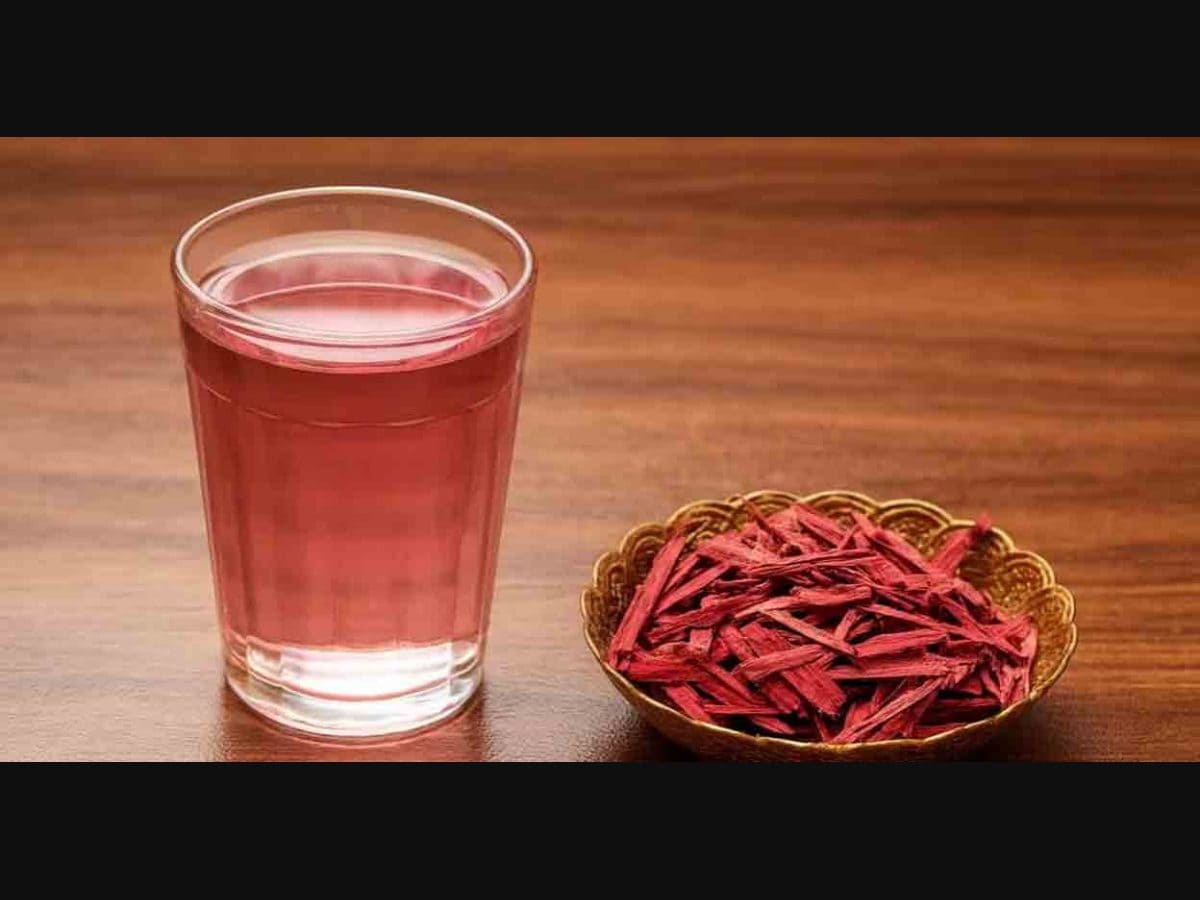
Pathimugam water is a reddish-pink herbal infusion prepared by soaking or boiling the heartwood chips of the Pathimugam tree, also known as sappan wood or Caesalpinia sappan. This drink has been a part of traditional Kerala and South Indian households for generations, often served instead of plain drinking water.
The wood is known by different regional names:
- Sappanwood – English
- Pathimukham – Malayalam
- Patrangam – Tamil
- Patangah – Sanskrit
When the wood chips steep in hot water, they release natural plant compounds that turn the water a light pink to deep red colour, giving pathimugam water its distinct appearance and mild, earthy taste.
Nutritional and Bioactive Profile of Sappan Wood Water
Pathimugam wood contains several naturally occurring plant compounds believed to be responsible for its potential wellness effects. These include brazilin, flavonoids, chalcones, coumarins, and xanthones.
| Compound | Role |
| Brazilin | Gives the water its pink-red colour; linked to antioxidant activity |
| Flavonoids | Support antioxidant and anti-inflammatory action |
| Xanthones | Known for antioxidant properties |
| Chalcones | Plant polyphenols with potential health benefits |
| Coumarins | Aromatic compounds found in many medicinal plants |
It’s worth noting that most claims around pathimugam are based on traditional use and early lab or animal studies. Large-scale human clinical trials are still limited, so it should be seen as a wellness beverage rather than a medical treatment.
Pathimugam Water Benefits
Quick Answer: Pathimugam water benefits are believed to include antioxidant support, reduced inflammation, mild antibacterial action, skin protection, and support for healthy blood sugar and blood pressure levels.
1. Rich in Natural Antioxidants
Pathimugam water contains plant compounds that may help fight oxidative stress caused by free radicals, supporting overall cell health.
2. May Help Reduce Inflammation
Traditional use suggests sappan wood water may offer mild anti-inflammatory and pain-relieving effects, though more human research is needed to confirm this.
3. Antibacterial Properties
Some lab studies indicate pathimugam may slow the growth of certain bacteria. It should never be used as a substitute for prescribed antibiotics.
4. Supports Skin Health
The antioxidants in pathimugam may help protect skin from sun-related damage and reduce acne-causing bacteria, though clinical evidence in humans is still limited.
5. May Support Liver Function
Animal studies suggest sappan wood extracts may offer some liver-protective effects, but human data is currently insufficient.
6. May Help Manage Blood Sugar Levels
Early research points to pathimugam water having a possible role in maintaining healthy blood sugar levels. It is not a substitute for diabetes medication.
7. May Support Healthy Blood Pressure
Natural compounds in sappan wood may help relax blood vessels, potentially supporting normal blood pressure levels.
8. Other Emerging Pathimugam Water Uses
Ongoing research is exploring pathimugam’s potential antiviral, antimalarial, and antidiarrhoeal properties. These uses are promising but not yet clinically established.
Note: Pathimugam water should complement a healthy lifestyle, not replace medical treatment.
Pathimugam Water Side Effects
Quick Answer: Pathimugam water is generally safe when consumed in moderation, but excessive intake may cause dizziness, digestive discomfort, or rare allergic reactions.
Common pathimugam water side effects to watch for include:
- Dizziness or light-headedness, especially in people with low blood pressure
- Stomach discomfort or digestive upset in sensitive individuals
- Rare allergic reactions in those sensitive to the plant
If you notice any unusual symptoms after drinking pathimugam water, stop consumption and consult a doctor.
Read more blog : How to Make Saunf Water: Benefits, Uses, Best Time to Drink & Side Effects
How to Make Pathimugam Water at Home
Making sappan wood water at home is simple:
- Take 5–10 grams of pathimugam wood chips.
- Add them to 300–500 ml of water.
- Boil and simmer for 10–20 minutes, until the water turns pinkish-red.
- Strain the water and let it cool slightly.
- Serve warm or at room temperature.
Tip: The same wood chips can usually be reused once more to extract additional compounds.
How to Use Pathimugam Water
- Drink 1–2 cups daily, unless advised otherwise by a doctor.
- Enjoy it warm or at room temperature.
- Add ginger, cinnamon, or lemongrass for extra flavour.
Pathimugam Water vs Plain Water: A Quick Comparison
| Aspect | Pathimugam Water | Plain Water |
| Colour | Pink to reddish | Colourless |
| Bioactive compounds | Contains brazilin, flavonoids, etc. | None |
| Antioxidant support | Yes (traditional use) | No |
| Calories | Negligible | Zero |
| Suitable for daily hydration | Yes, in moderation | Yes |
| Medical evidence | Limited human studies | Well-established |
Precautions to Take With Pathimugam Water
- Buy genuine, unadulterated sappan wood from a trusted source.
- People with low blood pressure should consume it cautiously.
- Pregnant or breastfeeding women should consult a doctor before use.
- Avoid excessive daily consumption, as long-term safety data is limited.
Does Pathimugam Water Interact With Medications?
Pathimugam water may interact with:
- Diabetes medications – may enhance blood sugar-lowering effects
- Blood pressure medications – may further lower blood pressure
- Blood-thinning medications – may affect clotting
If you take any regular medication or herbal supplement, talk to your doctor before adding pathimugam water to your routine.
Recommended Dosage
There’s no universally fixed dosage. As a general guideline, adults can consume 100–150 ml of freshly prepared pathimugam decoction once or twice daily, or as advised by a healthcare professional.
When Should You Consult a Doctor?
Speak to a doctor before or while consuming pathimugam water if you:
- Are pregnant, planning pregnancy, or breastfeeding
- Have diabetes, blood pressure issues, or liver/kidney disease
- Take prescription medicines or other herbal supplements
- Experience dizziness, allergic reactions, or stomach upset after drinking it
- Plan to consume it regularly for a long period
Read more blog : Sesame Seeds: Benefits, Nutrition, Uses, and Side Effects
Conclusion
Pathimugam water is a traditional herbal beverage rooted in South Indian wellness practices. Its antioxidant, anti-inflammatory, and antibacterial properties make it a popular daily drink, though most evidence still comes from lab and animal studies rather than large human trials. Enjoyed in moderation and with basic precautions, it can be a flavourful addition to a healthy lifestyle — just don’t treat it as a substitute for medical care.
Frequently Asked Questions (FAQs)
Can I drink pathimugam water every day?
Most healthy adults can drink pathimugam water daily in moderation. However, there’s no officially established daily limit, so avoid excessive intake and consult a doctor if you have any health conditions.
What are the main pathimugam water uses?
Pathimugam water uses include daily hydration, antioxidant support, mild anti-inflammatory benefits, and traditional use for skin and digestive wellness.
Is pathimugam water safe during pregnancy?
There’s limited research on its safety during pregnancy and breastfeeding, so it’s best to consult a doctor before consuming it.
Does pathimugam water help with weight loss?
There’s no strong scientific evidence that pathimugam water directly causes weight loss. It’s a low-calorie herbal drink that may support overall wellness, not a dedicated weight-loss remedy.
What is pathimugam water made of?
It’s made by boiling the heartwood of the sappan wood tree (Caesalpinia sappan) in water, which releases natural compounds giving it a pink-red colour.
Disclaimer: This article is for general informational purposes only and is not a substitute for professional medical advice. Please consult a qualified healthcare provider before making changes to your diet or wellness routine.