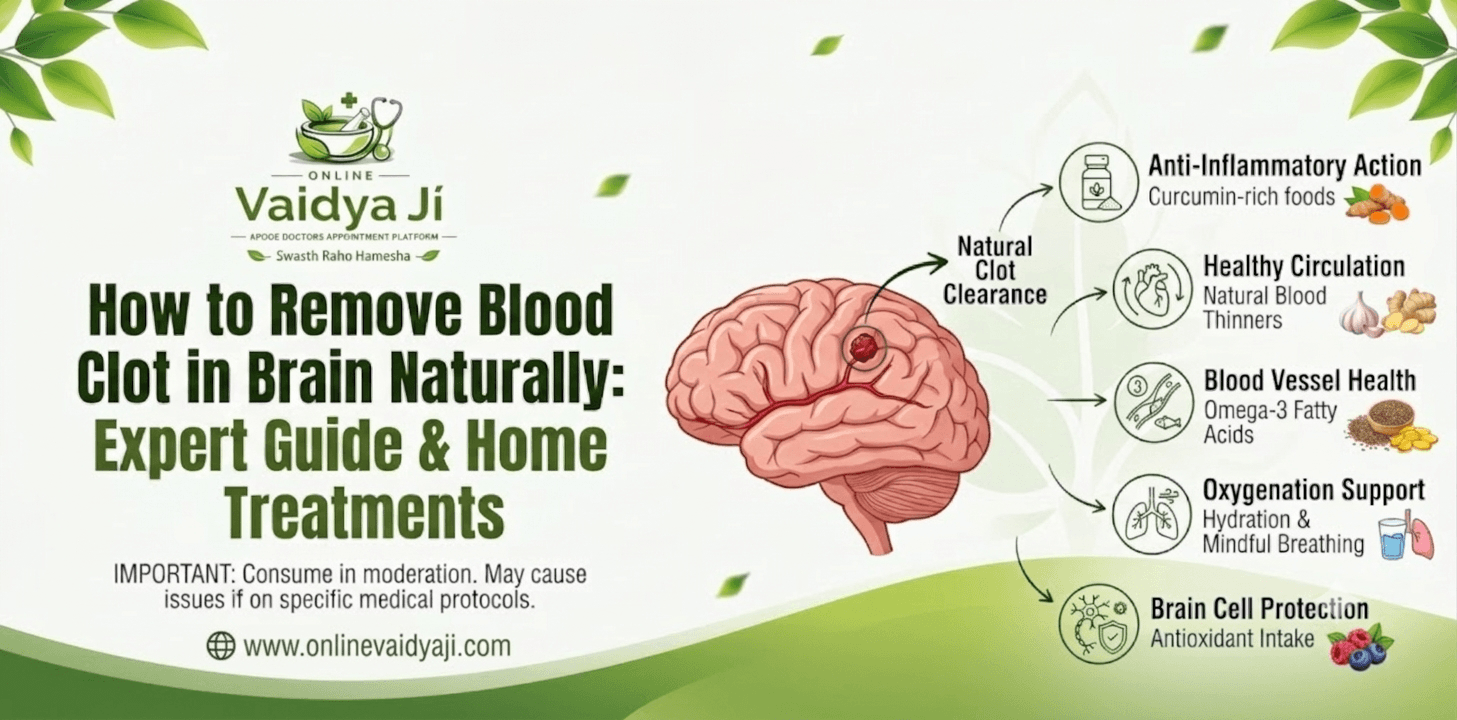
A blood clot in brain—medically classified as a cerebral thrombosis or embolism—is a life-threatening medical emergency. While minor vascular health maintenance and general circulation can be supported through lifestyle adjustments, suspected cerebral blood clots or stroke symptoms require immediate emergency medical intervention. Natural remedies and home remedies for blood clots cannot replace surgical or pharmacological treatments like thrombolytic therapy or anticoagulants in an acute medical crisis.
However, understanding vascular wellness, natural blood thinners, and supportive home remedies for blood clots can empower you to adopt preventative habits. This comprehensive guide explores what you need to know about circulatory health, how to dissolve blood clots naturally under medical guidance, and safe management protocols.
Understanding Blood Clots and Vascular Health
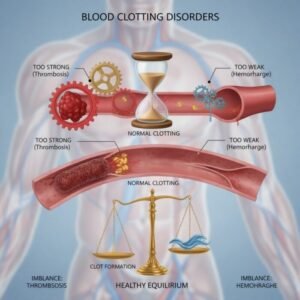
Blood clotting is a vital defense mechanism that stops excessive bleeding when you sustain an injury or wound. Normally, your body dissolves the clot once the blood vessel heals. However, when clots form inappropriately inside blood vessels without an injury—or fail to dissolve naturally—they become dangerous.
- Thrombus: A stationary blood clot formed inside a blood vessel.
- Embolus: A clot that breaks loose and travels through the bloodstream to other organs, such as the brain, heart, or lungs.
- Arterial vs. Venous Clots: Arterial clots restrict oxygen-rich blood flow to the brain or heart (leading to strokes or heart attacks), while venous clots typically occur in deep veins (such as deep vein thrombosis or DVT).
Can You Treat a Blood Clot in the Brain at Home?
When individuals search for how to remove blood clot in brain naturally, they are often looking for accessible ways to support recovery or prevent vascular blockages.
Important Medical Disclaimer: You cannot safely or effectively treat a cerebral blood clot or stroke at home using herbal remedies or dietary changes alone. A blood clot in the brain cuts off critical oxygen supply, leading to rapid brain tissue damage. Any sudden neurological symptoms require immediate emergency hospitalization.
Nevertheless, once acute medical treatment is stabilized, integrating natural anti-coagulant foods, maintaining proper hydration, and utilizing supportive home remedies for blood clots can complement overall cardiovascular wellness under a cardiologist’s supervision.
Read More Blog :
Suggested Home Remedies for Blood Clots and Circulation
While severe or deep-seated clots require prescription medications (such as aspirin, warfarin, or heparin), certain natural dietary additions and traditional herbs possess mild anti-platelet or thrombolytic properties.
1. Garlic
Garlic contains active sulfur compounds like allicin, which act as natural anti-coagulants. Regular consumption may help prevent platelet aggregation and reduce the risk of plaque buildup or atherosclerosis in arteries.
- How to use: Incorporate fresh crushed garlic into your daily meals or chew a raw garlic clove on an empty stomach with water.
2. Turmeric (Curcumin)
Turmeric contains curcumin, an active polyphenol studied for its anti-inflammatory and mild anti-platelet properties. Research indicates that curcumin may help inhibit blood coagulation factors.
- How to use: Add turmeric powder to warm milk, soups, or curries, or brew it into a soothing herbal tea.
3. Ginger
Ginger contains gingerol and natural salicylates, compounds structurally similar to aspirin. Salicylates can help prevent blood from clotting excessively.
- How to use: Steep fresh ginger slices in hot water to make daily ginger tea or add it fresh to cooking.
4. Brahmi and Tulsi (Holy Basil)
Traditional Ayurvedic formulations frequently utilize Brahmi and Tulsi to support circulatory health and vascular tone. Preliminary in vitro studies suggest that select herbal extracts exhibit moderate thrombolytic potential.
- How to use: Drink fresh herbal teas or consume standardized extracts as advised by an Ayurvedic practitioner.
Read More Blog : Chayote: Benefits, Uses, Nutritional Value and Side Effects
Medical Treatments vs. Home Care for Blood Clots
Understanding the clear boundary between acute medical interventions and lifestyle management is essential for patient safety.
| Feature | Medical Interventions | Home Remedies & Lifestyle Care |
| Primary Goal | Rapidly dissolve or surgically remove acute blockages | Support overall circulation and prevent future clot formation |
| Common Modalities | Thrombolytic drugs (“clot busters”), anticoagulants, catheter procedures | Anti-coagulant foods (garlic, ginger, turmeric), compression stockings, hydration |
| Suitability | Acute strokes, deep vein thrombosis, pulmonary embolisms | Long-term preventative wellness, mild circulation support |
| Medical Supervision | Mandatory emergency care and vascular specialists | Required consultation with your primary physician before starting herbs |
Effective Preventative Measures for Blood Clots
Preventing unwanted clot formation is far safer than treating an established blockage. Incorporate these evidence-based habits into your routine:
- Stay Hydrated: Dehydration concentrates the blood, making it thicker and more prone to clotting. Drink adequate water throughout the day.
- Avoid Prolonged Immobility: If you sit for long periods at a desk or during long flights, stand up, stretch, and walk around every hour to promote lower-limb circulation.
- Wear Compression Stockings: If you are at high risk or traveling long distances, physician-prescribed compression stockings help maintain upward blood flow in the legs.
- Quit Smoking: Nicotine damages blood vessel linings and increases platelet stickiness, significantly elevating clot risk.
- Manage Weight and Blood Pressure: Keep hypertension, diabetes, and cholesterol levels well-managed through balanced nutrition and regular aerobic exercise.
When to Seek Immediate Medical Help
Recognizing the warning signs of a dangerous blood clot can save a life. Seek emergency medical services immediately if you or someone nearby experiences:
- Brain / Stroke Symptoms: Sudden severe headache, facial drooping, confusion, slurred speech, sudden numbness or weakness on one side of the body, or vision changes.
- Lungs / Pulmonary Embolism: Sudden shortness of breath, rapid heart rate, sharp chest pain, or coughing up blood.
- Limbs / Deep Vein Thrombosis: Sudden swelling, tenderness, warmth, or redness in an arm or leg.
Frequently Asked Questions (FAQs)
Can blood clots in the brain dissolve on their own?
Small clots may occasionally dissolve naturally via the body’s intrinsic fibrinolytic system. However, cerebral blood clots carry an extremely high risk of permanent neurological damage or stroke, meaning they always require professional medical evaluation rather than waiting for natural resolution.
Are natural blood thinners as effective as prescription medications?
No. While natural foods like garlic, ginger, and turmeric offer mild anti-platelet benefits, they are not potent enough to dissolve active, dangerous blood clots in emergency scenarios. Patients prescribed anticoagulants should consult their doctor before consuming large amounts of natural blood thinners to avoid bleeding risks.
What is the best way to prevent blood clots while traveling?
To prevent blood clots during long flights or road trips, stretch your legs regularly, perform ankle rotations while seated, wear loose clothing, stay well-hydrated, and avoid alcohol or sedatives that encourage prolonged immobility.
Can drinking water help prevent blood clots?
Yes, staying properly hydrated is one of the simplest and most effective ways to support healthy blood circulation. When you are dehydrated, the fluid volume in your blood decreases, causing your blood to concentrate and thicken. Thicker blood flows more sluggishly, which significantly increases the risk of abnormal clot formation. Drinking adequate water throughout the day keeps your blood at an optimal viscosity and promotes smooth cardiovascular function.
How does physical activity reduce the risk of blood clots?
Regular physical exercise activates your skeletal muscle pump, particularly in your lower extremities, which actively pushes venous blood back up toward your heart against gravity. Stagnant or slow-moving blood in the veins is a primary trigger for clot formation (such as deep vein thrombosis). Incorporating aerobic activities like walking, swimming,