
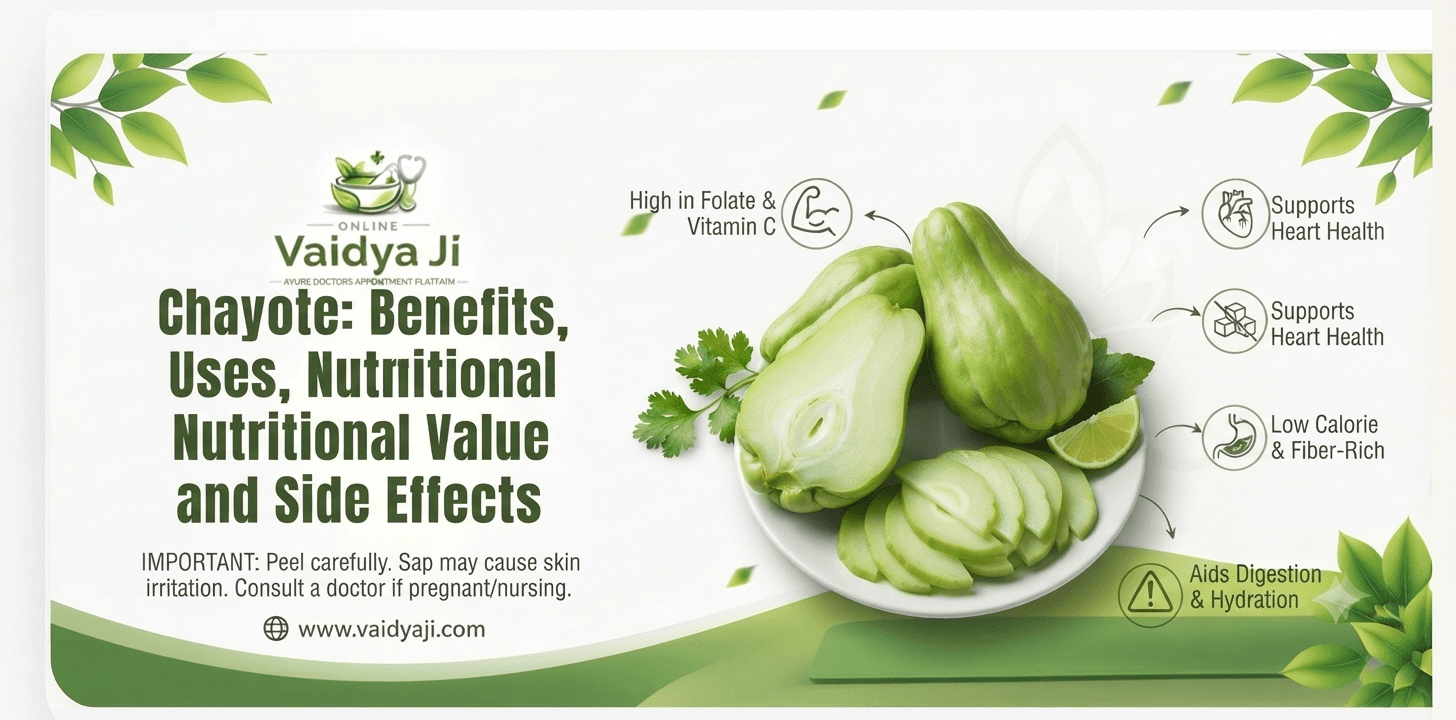
Chayote (Sechium edule), commonly known as chow-chow, vegetable pear, or sayote, is a versatile climbing gourd belonging to the Cucurbitaceae family. While widely celebrated for its culinary adaptability and impressive nutrient profile, understanding its comprehensive health profile—including potential side effects and precautions—is essential for safe incorporation into your diet. This guide explores the nutritional profile, health perks, culinary uses, and potential side effects of chayote.
What is Chayote?
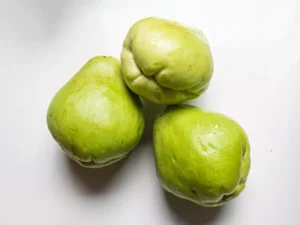
Chayote is a pear-shaped, light green squash native to Mesoamerica, specifically regions spanning Mexico and Guatemala. Today, it is cultivated worldwide across tropical and subtropical climates.
The entire plant—including its crisp fruits, tender stems, chayote leaves, and edible starchy roots—is utilized in various global cuisines and traditional wellness systems. Rich in bioactive compounds like flavonoids, polyphenols, and cucurbitacins, this gourd provides a unique blend of hydration, dietary fiber, and essential micronutrients.
Chayote Nutritional Value
Chayote is exceptionally low in calories and fat while offering a dense array of vitamins and minerals. According to the United States Department of Agriculture (USDA), a 100-gram serving of raw chayote provides:
| Nutrient Component | Value per 100g |
| Water | 94.2 g |
| Energy | 19 kcal |
| Protein | 0.82 g |
| Total Lipid (Fat) | 0.13 g |
| Carbohydrates | 4.51 g |
| Dietary Fiber | 1.7 g |
| Vitamin C | 7.7 mg |
| Folate (Vitamin B9) | 93 µg |
| Potassium | 125 mg |
| Magnesium | 12 mg |
| Calcium | 17 mg |
Read More Blog : Sattu Benefits and Side Effects: Uses, Nutrition, and More
Chayote Benefits: How It Supports Wellness
Incorporating chayote into a balanced meal plan offers several evidence-backed health advantages:
- Heart Health Support: Chayote is naturally low in saturated fats and sodium. Its high soluble fiber and antioxidant content help support healthy lipid levels and promote optimal cardiovascular function.
- Blood Sugar Regulation: The rich dietary fiber matrix in chayote slows carbohydrate digestion and absorption, assisting in the prevention of sudden post-meal glucose spikes.
- Nutritional Support During Pregnancy: Abundant in natural folate (vitamin B9), chayote helps support normal cell division and embryonic neural tube development during early pregnancy.
- Cellular Protection and Anti-Aging: Packed with vitamin C and active phenolic antioxidants, chayote helps neutralize free radicals, mitigating oxidative stress and supporting collagen synthesis for skin health.
Potential Side Effects of Chayote
While culinary-grade consumption is generally safe, users should be aware of potential side effects of chayote:
- Skin Irritation from Sap: Peeling raw chayote releases a sticky sap that contains natural plant compounds. This sap can cause temporary skin numbness, dryness, or contact irritation on sensitive hands.
- Gastrointestinal Distress: Because chayote is high in dietary fiber, sudden or excessive intake—especially when consuming raw chayote leaves or roots—can lead to bloating, abdominal cramping, or gas in individuals unaccustomed to high-fiber diets.
- Diuretic Over-Effects: Traditional preparations using concentrated herbal extractions of chayote or its foliage act as mild diuretics. Overconsumption may lead to frequent urination and electrolyte imbalances if fluid intake is not properly maintained.
Precautions to Take with Chayote
To maximize benefits and minimize adverse reactions, keep these practical safety measures in mind:
- Wear Gloves When Peeling: To avoid temporary skin numbness or irritation caused by the fruit’s natural latex sap, peel raw chayote under running water or while wearing kitchen gloves.
- Practice Moderation: Introduce chayote gradually into your meal rotation to allow your digestive system to adapt to its fiber content.
- Special Populations: Pregnant or breastfeeding individuals, young children, and older adults should stick to moderate dietary portions and consult a healthcare provider before using concentrated chayote leaves or herbal supplements.
- Medical Supervision: If you are managing chronic health conditions such as diabetes, hypertension, or kidney disorders, speak with a doctor before making significant dietary alterations.
Chayote Leaves and Culinary Uses
Beyond the crisp pear-shaped fruit, tender chayote leaves and shoots are widely consumed in stir-fries, soups, and herbal decoctions. The fruit can be steamed, roasted, sautéed, or eaten raw when thinly sliced in salads and smoothies. Tuberous roots can also serve as starchy alternatives in various savory preparations.

Conclusion
Incorporating this nutrient-dense gourd into your routine offers a remarkable array of wellness advantages, from supporting heart health and metabolic balance to providing essential folate and antioxidants. However, keeping informed about the side effects of chayote—such as potential skin irritation from raw sap or mild digestive adjustments due to its fiber content—ensures a safe and enjoyable culinary experience. By practicing moderation, wearing gloves during preparation, and consulting a healthcare professional for specific health conditions, you can safely harness the full nutritional potential of chayote in your daily diet.
Frequently Asked Questions (FAQs)
1. What are the primary side effects of chayote?
When eaten as a normal food, chayote rarely causes adverse reactions. However, handling raw fruit can cause temporary skin irritation due to its natural sap, and overeating raw high-fiber parts may lead to mild digestive discomfort or bloating.
2. Can chayote leaves be consumed safely?
Yes, tender chayote leaves and shoots are edible and commonly cooked as greens in many cultures. However, they should be thoroughly washed and cooked, and individuals using concentrated herbal extracts should consult a professional.
3. How does chayote benefit daily nutrition?
Chayote provides an excellent boost of hydration, dietary fiber, vitamin C, and folate with minimal calories and fat, making it an ideal vegetable for weight management and metabolic health.
4. Can diabetics safely eat chayote?
Chayote has a low glycemic index and a high fiber content, which helps support healthy blood glucose regulation. Diabetics should incorporate it as part of a balanced diet supervised by their healthcare provider.