
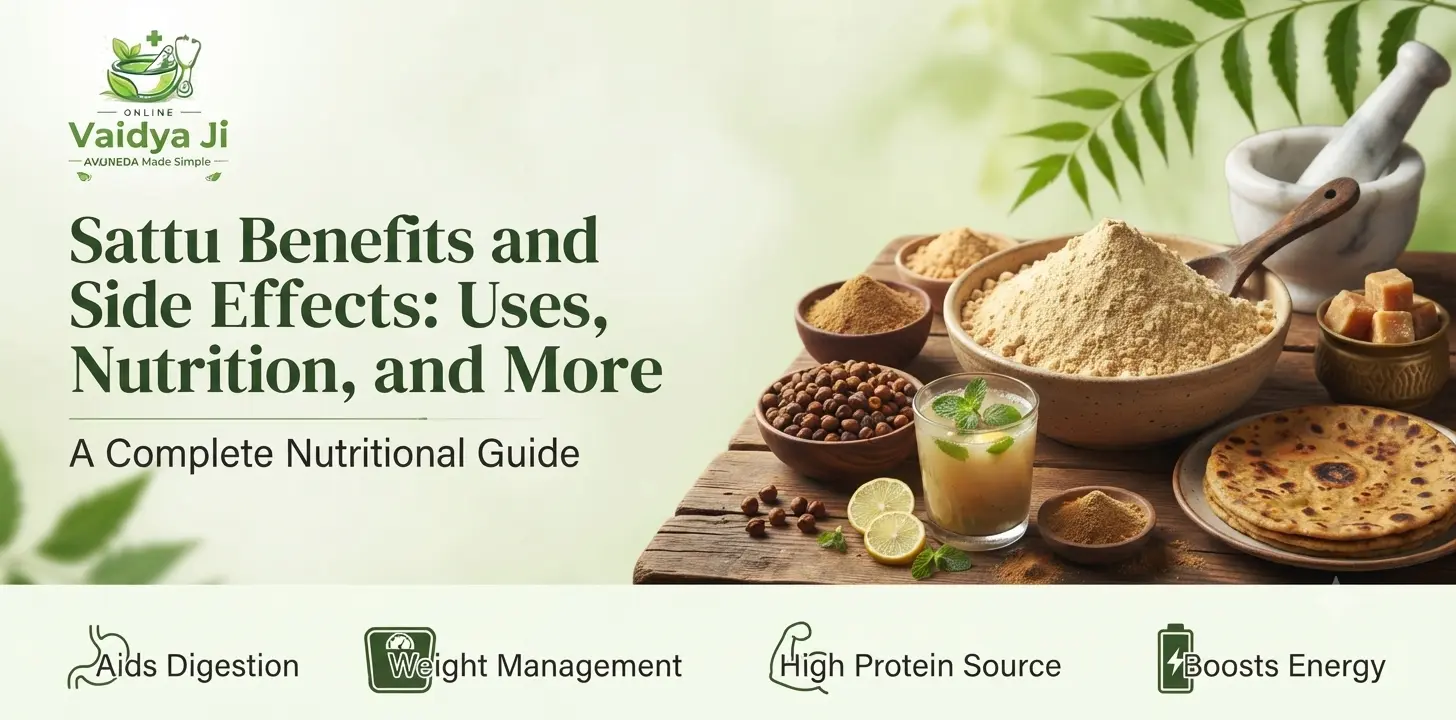
Sattu is a traditional roasted grain flour that has been a staple in Indian households—particularly in Bihar, Uttar Pradesh, and Jharkhand—for generations. Often hailed as a “poor man’s protein,” this nutrient-dense superfood is prepared by roasting and grinding cereals or legumes, most commonly Bengal gram (black chickpea).
Packed with essential vitamins, minerals, and plant-based protein, sattu has gained m assive popularity worldwide as a functional food, refreshing summer cooler, and energy booster.
In this comprehensive guide, we will explore the core benefits of sattu, its nutritional value, sattu powder benefits, sattu side effects, creative uses, and precautions to help you incorporate it safely into your daily routine.
What is Sattu?
Sattu is a ready-to-eat flour made by dry-roasting grains or pulses—primarily black chickpeas—and grinding them into a fine powder. The traditional roasting process not only imparts a distinct, nutty flavor and aroma but also improves shelf life, reduces moisture, and enhances digestibility.
Because it requires no cooking and provides sustained energy, sattu has historically served as a portable, wholesome meal for travelers, farmers, and laborers. Today, it is enjoyed globally in sweet and savory beverages, flatbreads, and traditional snacks.
Nutritional Value of Sattu
Sattu is celebrated for its balanced macronutrient and micronutrient profile, providing an optimal mix of complex carbohydrates, dietary fiber, and protein.
| Nutrient | Amount (per 100 g) |
| Energy | 413 kcal |
| Carbohydrates | 64 g |
| Protein | 25 g |
| Dietary Fiber | 18 g |
| Total Fat | 5.50 g |
| Sodium | 0.27 g |
| Cholesterol | 0 g |
Note: The nutritional values above are average estimates and may vary based on the raw ingredients, processing methods, and manufacturing brands.
Read More Blog : STD Treatment for Females: Symptoms, Causes, Diagnosis, and Prevention
Key Health Benefits of Sattu
Rich in essential nutrients, incorporating sattu into your diet offers a wide spectrum of health advantages:
1. Supports Healthy Digestion
Sattu is naturally abundant in insoluble dietary fiber. This helps add bulk to stools, stimulate intestinal motility, and prevent constipation. Its very low sodium content also minimizes bloating and gastric discomfort, promoting an overall healthy gut.
2. Aids in Weight Management
With its high protein and fiber content, sattu promotes a prolonged feeling of fullness (satiety), which helps curb untimely cravings and reduces overall calorie intake. It also helps boost metabolic function, making it an excellent addition to weight-loss diets.
3. Heart-Friendly and Cholesterol-Free
Containing 0 grams of cholesterol per 100 grams, sattu supports cardiovascular wellness. Diets low in cholesterol and saturated fats help maintain healthy lipid profiles and reduce the risk of heart-related ailments, making it safe for individuals monitoring their heart health.
4. Safe and Beneficial for Diabetics
Sattu has a remarkably low glycemic index (GI), meaning it digests slowly and releases glucose into the bloodstream at a gradual pace. This prevents sudden insulin spikes, making it a reliable dietary option for individuals managing diabetes.
5. Provides a Natural Cooling Effect
When mixed with water and consumed as a drink, sattu helps maintain the body’s electrolyte and fluid balance. It acts as a natural coolant, making it a popular remedy to ward off dehydration, fatigue, and heatstroke during scorching summer months.
6. Boosts Energy and Stamina
Packed with essential minerals like iron, magnesium, and potassium, sattu provides an immediate and sustained energy boost. It is often recommended for active individuals, athletes, or people recovering from physical fatigue.
7. Excellent Plant-Based Protein Source
Providing roughly 25 grams of protein per 100 grams, sattu serves as an efficient plant-based protein supplement. It supports muscle repair, cellular growth, and tissue recovery, making it ideal for vegetarians and vegans.
Sattu Powder Uses: How to Incorporate It Into Your Diet
Sattu is remarkably versatile and can be used in numerous savory and sweet preparations:
- Sattu Drink (Sharbat): The most popular way to consume sattu. Mix sattu powder with cold water, roasted cumin powder, black salt, lemon juice, and chopped mint leaves for a refreshing savory drink, or stir it with jaggery or natural sugar for a sweet treat.
- Sattu Paratha: A traditional stuffed flatbread where sattu is mixed with finely chopped onions, green chilies, mustard oil, ajwain (carom seeds), and pickles, then stuffed into wheat dough and cooked on a griddle.
- Litti Chokha: A famous dish from Bihar consisting of roasted wheat balls stuffed with spiced sattu, served alongside mashed roasted eggplants, tomatoes, and potatoes (chokha).
- Sattu Laddoos & Halwa: Nutritious sweet delicacies made by combining sattu powder with ghee, jaggery, and nuts.
Potential Sattu Side Effects
While sattu is extremely healthy and safe for most people, excessive consumption can lead to minor adverse effects:
- Digestive Discomfort: Due to its high fiber and complex carbohydrate content, eating large amounts of sattu at once can cause bloating, gas, stomach cramps, or mild diarrhea in sensitive individuals.
- Allergic Reactions: Individuals with known legume or chickpea allergies should avoid sattu to prevent skin rashes or allergic responses.
- Antinutrients: Like other pulses, sattu contains compounds like phytic acid that may minimally bind to minerals like iron and zinc, though roasting significantly reduces these effects.
Read More Blog : Home Remedies for Dark Lips: Ways to Reduce Lip Pigmentation Naturally
Precautions to Keep in Mind
- Practice Moderation: Enjoy sattu as part of a balanced diet rather than overconsuming it in single sittings.
- Consult a Doctor if You Have Kidney Issues: Because sattu is high in protein, individuals with pre-existing chronic kidney disease should consult a nephrologist before making it a regular part of their diet.
- Pregnancy and Lactation: Pregnant or nursing women should speak with their healthcare provider or gynecologist before adding high quantities of sattu supplements to their routine.
Conclusion: Embracing the Power of Sattu
Sattu truly deserves its reputation as a nutritional powerhouse. Whether you enjoy it as a refreshing summer drink to beat the heat, use sattu powder benefits to support your weight loss and muscle recovery goals, or incorporate it into traditional flatbreads, this humble roasted flour offers incredible health versatility. From regulating blood sugar levels and boosting digestive health to providing clean, plant-based protein, it is an affordable addition to any balanced diet.
Frequently Asked Questions (FAQs)
Q1: Can I drink sattu every day?
A: Yes, consuming sattu in moderation daily is generally safe and healthy. It provides sustained energy, aids digestion, and keeps the body cool, especially during hot weather. However, excessive intake can lead to bloating due to its high fiber content.
Q2: Is sattu good for weight loss?
A: Yes. Sattu is rich in protein and dietary fiber, which increase satiety and curb frequent hunger pangs. This helps reduce overall calorie intake and supports healthy metabolism management.
Q3: How does sattu help diabetics?
A: Sattu has a low glycemic index (GI), causing carbohydrates to break down and enter the bloodstream slowly. This prevents sudden blood sugar spikes, making it a suitable food choice for people managing diabetes.
Q4: When is the best time to consume sattu?
A: Sattu is best consumed in the morning or as a mid-day meal/drink. It acts as an instant energy booster and helps keep you full and hydrated throughout the day. Avoid consuming very heavy portions late at night.