
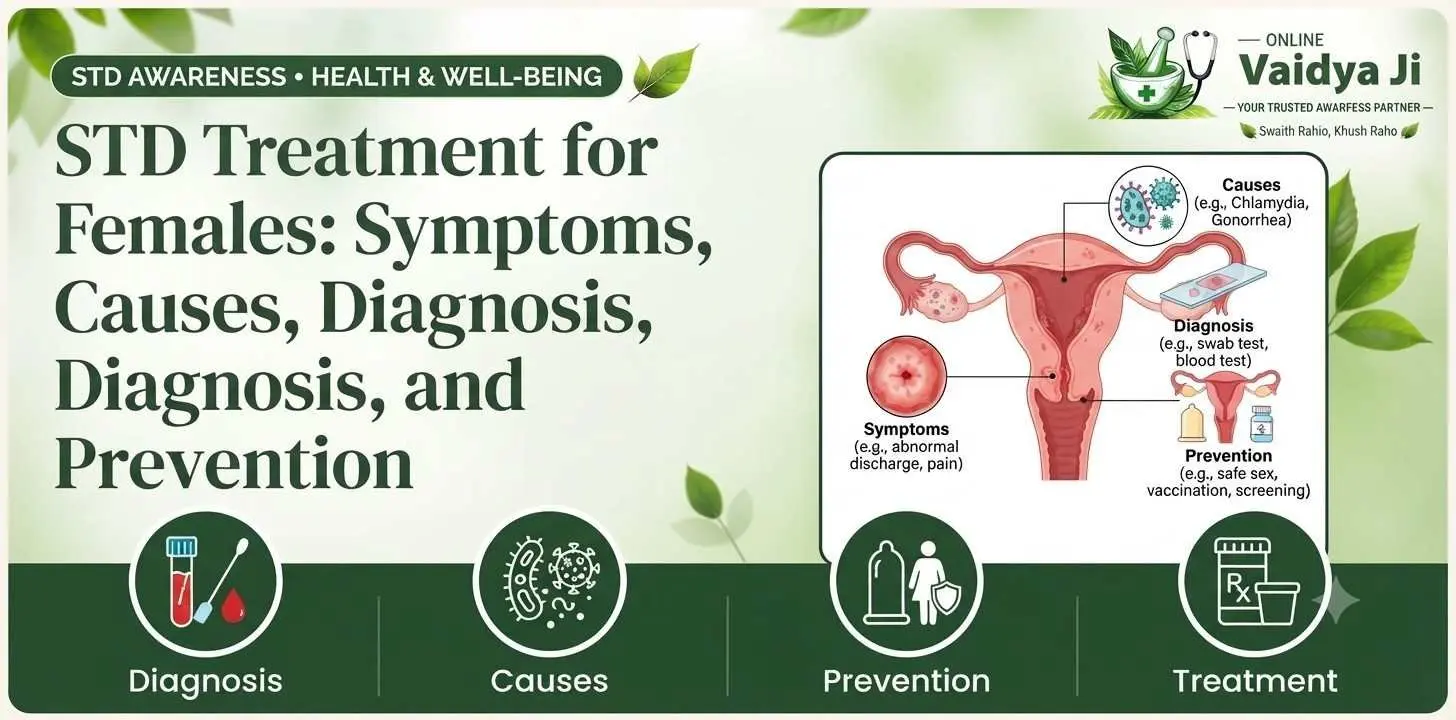
Sexually transmitted diseases (STDs) are widespread infections transmitted primarily through sexual contact. While these conditions affect both sexes, women are biologically more vulnerable to long-term reproductive health complications. Recognizing the signs early and seeking appropriate treatment for std in females is vital to preventing chronic health issues such as pelvic inflammatory disease (PID) and infertility.
What Are STDs and How Do They Affect Women?
Sexually transmitted diseases are caused by bacteria, viruses, or parasites. Because the female reproductive tract features delicate tissues with a large mucosal surface area, women have a higher biological susceptibility to contracting these pathogens.
Many infections remain silent during their initial stages, presenting few or no std symptoms women might immediately notice. If left untreated, they can lead to severe complications, including chronic pelvic pain, ectopic pregnancy, and increased susceptibility to other viral infections.
Early Symptoms and Signs of STDs in Females
The most common early signs include unusual vaginal discharge, burning sensations during urination, genital sores, pelvic discomfort, and spotting between periods. However, many infections are asymptomatic initially.
Understanding the early symptoms of std in females allows for prompt medical intervention. While symptoms vary depending on the specific pathogen, common indicators include:
-
Unusual or discolored vaginal discharge with an unusual odor
-
Bumps, blisters, warts, or painless sores around the genital region
-
Itching, burning, or redness in the external genitalia
-
Pain or discomfort during sexual intercourse (dyspareunia)
-
A burning sensation or pain when passing urine
-
Lower abdominal or pelvic pain
-
Unexplained fever, fatigue, or swollen lymph nodes
Causes and Risk Factors of STDs in Women
Pathogens enter the body through microscopic breaks in the skin or mucous membranes during sexual contact. The primary causative agents are categorized into:
-
Bacterial Infections: Responsible for conditions like Chlamydia, Gonorrhea, and Syphilis.
-
Viral Infections: Include Human Papillomavirus (HPV), Herpes Simplex Virus (HSV), HIV, and Hepatitis B.
-
Parasitic Infections: Such as Trichomoniasis.
Read More Blog : Ultimate Guide to Effective Home Remedies for Dry Lips and Long-Lasting Hydration
Key Risk Factors
-
Having multiple sexual partners or a new sexual partner
-
Inconsistent or incorrect barrier method (condom) use
-
A history of previous sexually transmitted infections
-
Early onset of sexual activity
-
Biological vulnerability due to delicate mucosal tissues
Common STDs in Women
| Infection Type | Common Pathogen / Cause | Typical Presentation | Potential Complications |
| Chlamydia | Chlamydia trachomatis (Bacterial) | Often asymptomatic; mild discharge or painful urination | Pelvic Inflammatory Disease (PID), blocked fallopian tubes |
| Gonorrhea | Neisseria gonorrhoeae (Bacterial) | Thick discharge, painful urination, irregular bleeding | Chronic pelvic pain, infertility |
| Genital Herpes | Herpes Simplex Virus (HSV) | Painful fluid-filled blisters, burning, itching | Recurrent outbreaks, neonatal transmission risks |
| HPV | Human Papillomavirus (Viral) | Genital warts or asymptomatic high-risk strains | Cervical, vaginal, or vulvar cancers |
| Syphilis | Treponema pallidum (Bacterial) | Painless sore (chancre) followed by skin rashes | Organ damage, neurological complications |
| Trichomoniasis | Trichomonas vaginalis (Parasitic) | Frothy, foul-smelling discharge, severe itching | Increased vulnerability to other viral infections |
Diagnosis of STDs in Women
Accurate detection is the cornerstone of effective treatment for std in females. Healthcare providers use several diagnostic modalities based on clinical presentation and risk history:
-
Pelvic Examination: To visually inspect for ulcers, abnormal discharge, warts, or inflammation.
-
Vaginal or Cervical Swabs: Collected during a pelvic exam to test for bacterial and parasitic agents using Nucleic Acid Amplification Tests (NAAT).
-
Urine Tests: Non-invasive samples often utilized to screen for bacterial pathogens like chlamydia and gonorrhea.
-
Blood Tests: Essential for detecting viral and systemic infections, including HIV, syphilis, and hepatitis.
-
Pap Smear & HPV Testing: Used to monitor cervical cell changes and screen for high-risk strains of human papillomavirus.
Comprehensive Treatment for STDs in Females
Treatment depends entirely on the underlying cause. Bacterial infections are managed with targeted antibiotics, viral infections require antiviral therapies, and parasitic infections are treated with specific antiparasitic medications.
Implementing the correct treatment for std in females ensures rapid recovery and stops disease progression:
-
Antibiotic Therapy: Prescribed as oral medications or injections to completely eradicate bacterial infections such as chlamydia, gonorrhea, and syphilis.
-
Antiviral Medications: While they cannot cure chronic viral infections like herpes or HIV, antivirals suppress viral replication, reduce symptom severity, and lower transmission rates.
-
Antiparasitic Drugs: Single-dose or multi-day prescription medications effectively clear parasitic infections like trichomoniasis.
-
Topical Treatments and Procedures: Prescription creams or minor medical procedures (such as cryotherapy or laser therapy) remove genital warts caused by HPV.
-
Partner Treatment: Concurrent evaluation and treatment of sexual partners are critical to prevent reinfection and break the transmission cycle.
-
Supportive Care: Complete abstinence from sexual activity during treatment, adequate hydration, and following prescribed hygiene protocols aid recovery.
Read More Blog : Air Fryer Benefits and Side Effects: Are Air Fryers Good for Your Health?
Prevention Tips for Women
Minimizing the risk of contracting or spreading STDs involves proactive lifestyle choices:
-
Consistent Barrier Protection: Use latex or polyurethane condoms correctly during every act of vaginal, anal, or oral sex.
-
Regular Screenings: Undergo routine sexual health check-ups, especially when changing partners or planning a pregnancy.
-
Vaccination: Receive available vaccines, such as the HPV and Hepatitis B vaccines, which offer robust protection against high-risk strains.
-
Open Communication: Discuss sexual history and testing results openly with partners before initiating intimate contact.
Conclusion
Prioritizing your sexual and reproductive health is a vital part of overall wellness. Because many infections present subtle or non-existent early symptoms of std in females, staying vigilant through routine screenings and open communication with healthcare providers is essential.
If you suspect an infection or notice any unusual changes, seeking timely professional evaluation ensures you receive the correct treatment for std in females. With early diagnosis, appropriate medical care, and consistent preventive measures like vaccination and barrier protection, most STDs can be successfully managed or cured, safeguarding your long-term health and well-being.
Frequently Asked Questions (FAQs)
1. Can an STD go away on its own without treatment?
No. While some mild symptoms may temporarily subside, bacterial and viral STDs will not resolve independently. Untreated infections frequently progress, leading to severe reproductive complications, chronic pain, or long-term systemic damage.
2. Are STDs curable?
Bacterial infections (like chlamydia, gonorrhea, and syphilis) and parasitic infections (like trichomoniasis) are entirely curable with proper medical treatment. Viral infections (like herpes, HIV, and HPV) are manageable with medications and lifestyle management, though the virus may remain in the body.
3. How often should sexually active women get screened for STDs?
Sexually active women—especially those with multiple partners or new partners—should undergo routine screening at least once a year. Pregnant women are routinely tested during their first prenatal visit to protect both maternal and infant health.