
Human Papillomavirus (HPV) is one of the most common sexually transmitted infections worldwide. Research indicates that a vast majority of sexually active individuals will contract at least one type of HPV in their lifetime. While many strains are harmless and clear up on their own, understanding hpv symptoms female is critical for early detection, proactive health management, and preventing long-term complications like cervical cancer.
What is HPV in Women?
Human Papillomavirus is a group of more than 200 related viruses, of which over 40 types can be spread through direct sexual contact—including vaginal, anal, and oral sex. When looking at hpv in women, infections are generally categorized into two main groups based on their health risks:
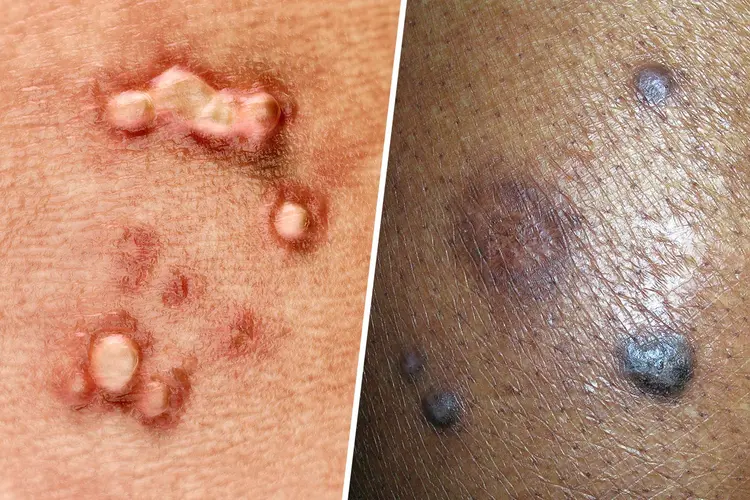
- Low-Risk HPV Strains: These types do not cause cancer, but they can cause uncomfortable skin growths or genital warts. Strains 6 and 11 are responsible for the vast majority of genital wart cases.
- High-Risk HPV Strains: These types can cause persistent cellular changes that may progress to precancerous lesions and cancer if left untreated. High-risk strains—most notably HPV 16 and HPV 18—account for roughly 70% of all cervical cancer cases worldwide.
What Are the Symptoms of HPV in Females?
Quick Answer: In most cases, what are the symptoms of hpv in females has a straightforward answer: none. Most HPV infections are completely asymptomatic and are cleared naturally by the body’s immune system within one to two years without causing health problems.
However, when symptoms do appear, they depend entirely on whether the infection is caused by a low-risk or high-risk strain:
1. Symptoms of Low-Risk HPV (Genital Warts)
If you contract a low-risk strain, you might notice physical growths. Hpv symptoms women experience with warts include:
- Small, flesh-colored, or gray bumps in or around the vulva, vagina, cervix, or anus.
- Growths that may resemble a small cauliflower-like texture.
- Mild itching, tenderness, or discomfort in the genital area.
- Warts that can appear weeks or even months after sexual contact with an infected partner.
2. Signs of High-Risk HPV and Precancerous Changes
High-risk strains rarely cause noticeable external symptoms in their early stages. Instead, they quietly alter cervical cells over many years. Because of this, physical warning signs usually only appear in advanced stages of cervical disease:
- Abnormal vaginal bleeding (such as bleeding after intercourse, bleeding between regular periods, or bleeding post-menopause).
- Watery, bloody vaginal discharge that may carry a foul odor.
- Persistent pelvic pain or discomfort during sexual intercourse.
Read More Blog : 7 Benefits of Yoga for Mind and Body
Causes and Risk Factors of HPV Infections
HPV spreads primarily through skin-to-skin contact during intimate activity. You do not need to have penetrative intercourse to contract the virus; friction or skin contact in the genital region is sufficient.
Several factors can increase a woman’s vulnerability to persistent infections:
- Having multiple lifetime sexual partners.
- Beginning sexual activity at a young age.
- A weakened immune system (due to conditions like HIV or immunosuppressant medications).
- Smoking, which is linked to a higher persistence of high-risk HPV infections and an increased risk of cervical dysplasia.
Testing and Diagnosis for HPV in Women
Because early-stage hpv symptoms women look for are virtually non-existent, routine screening is the single best defense. Gynecologists utilize specialized tests to catch cellular irregularities early:
| Test Type | What It Does | Recommended Frequency |
| Pap Smear (Pap Test) | Collects and examines cervical cells under a microscope to detect abnormal or precancerous changes. | Usually every 3 years for women aged 21–65. |
| HPV DNA Test | Directly checks cervical cells for the presence of high-risk genetic material from cancer-causing strains. | Often performed as a co-test with a Pap smear every 5 years for women aged 30–65. |
| Colposcopy & Biopsy | Uses a magnifying device to closely inspect the cervix and take small tissue samples if a Pap or HPV test is abnormal. | Recommended only if initial screening flags potential risks. |
Treatment Options for HPV-Related Conditions
While there is currently no cure to completely clear the virus from the body, medical treatments successfully manage the conditions and cell changes caused by HPV. Treatment depends heavily on whether you are managing warts or precancerous lesions:
- For Genital Warts: Doctors may prescribe topical ointments (such as imiquimod) or perform in-office procedures like cryotherapy (freezing the tissue with liquid nitrogen), electrosurgery, or laser therapy to remove growths.
- For Precancerous Cervical Changes: Procedures like a LEEP (Loop Electrosurgical Excision Procedure) or a cold knife cone biopsy remove the abnormal cells, preventing them from developing into invasive cancer.
Read More Blog : Home Remedies for Fungal Infections: Safe Natural Treatment Guide
Prevention and Vaccination
Prevention remains far more effective than treatment. Women can significantly lower their risk profile through a combination of smart lifestyle choices and medical protection:
- HPV Vaccination: Vaccines (such as Gardasil-9) protect against multiple high-risk and low-risk strains responsible for cervical, vulvar, vaginal, and anal cancers, as well as genital warts. They are most effective when administered before a person becomes sexually active, though older adults can still benefit.
- Barrier Methods: Using condoms consistently during sexual activity reduces the risk of transmission, though it does not provide 100% protection since areas not covered by the condom can still transmit the virus.
- Routine Screenings: Sticking to regular Pap smears and HPV co-tests ensures that any hidden cellular changes are caught and treated long before they become dangerous.
Frequently Asked Questions (FAQs)
Q1: Can HPV go away on its own without treatment?
A: Yes. In approximately 90% of cases, a healthy immune system clears the HPV infection naturally within one to two years without causing any long-term health complications.
Q2: Can a woman have HPV if she has a normal Pap smear?
A: Yes, it is entirely possible to test positive for a high-risk strain of HPV while having a completely normal Pap smear. This simply means the virus is present, but it has not yet caused abnormal cell changes on your cervix.
Q3: Is HPV considered a sexually transmitted disease?
A: Yes, HPV is classified as a sexually transmitted infection (STI). It is primarily transmitted through intimate skin-to-skin contact during vaginal, oral, or anal sex.
Q4: Can I get pregnant if I have been diagnosed with HPV?
A: Having HPV generally does not affect your ability to get pregnant or carry a baby to term. However, active genital warts or severe cellular changes may require monitoring or treatment before or during pregnancy.