
The Peepal tree (Ficus religiosa), commonly known as the sacred fig or Bodhi tree, holds a profound position in traditional Indian culture, mythology, and Ayurvedic medicine. Revered across the subcontinent, every part of this majestic tree—from its heart-shaped leaves and stem bark to its fruits and latex—has been valued for centuries in holistic healing traditions.
Introduction to the Sacred Fig
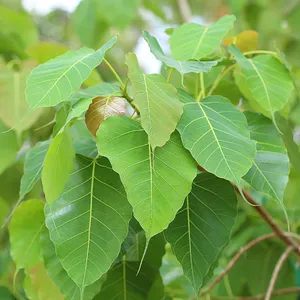
What makes the peepal tree so unique in traditional wellness systems? Scientifically classified under the Moraceae family, Ficus religiosa is packed with active bioactive compounds, tannins, flavonoids, and essential minerals. While ancient texts praise its holistic healing potential, modern herbal research is increasingly exploring its pharmacological attributes, including anti-inflammatory, antioxidant, and anti-diabetic activities. However, understanding its therapeutic scope requires balancing its potential advantages with proper medical supervision and awareness of potential side effects of peepal leaves.
Nutritional Profile of Peepal Tree Parts
The medicinal value of the sacred fig stems from its rich biochemical and nutritional composition. Different parts of the tree provide varying concentrations of carbohydrates, proteins, dietary fibers, and essential minerals.
| Nutrient (per 100g) | Fresh Fruits | Dried Fruits | Leaves | Bark |
| Carbohydrates | 21.2 g | 68.33 g | 19.20 g | 15.4 g |
| Proteins | 2.5 g | 8.48 g | 13.55 g | 2.5 g |
| Fats | 1.7 g | 0.143 g | 2.5 g | 1.7 g |
| Crude Fibre | 9.9 g | – | 26.1 g | 9.9 g |
| Calcium | 289 mg | 848 mg | 1.67 mg | 16.1 mg |
| Iron | – | 6 mg | 0.18 mg | 623 mg |
Therapeutic Properties of Peepal
In Ayurvedic pharmacopoeia, the peepal tree exhibits several vital properties that contribute to its widespread usage:
- Anti-inflammatory & Analgesic: Helps manage joint discomfort and swelling.
- Antioxidant: Combats oxidative stress by scavenging free radicals.
- Anti-diabetic: Supports healthy blood glucose regulation.
- Antimicrobial & Wound-Healing: Aids in protecting against bacterial strains and accelerating skin repair.
Comprehensive Uses of Peepal Tree
1. Digestive Health and Gut Support
Traditionally, decoctions prepared from peepal bark combined with jaggery and salt have been used to ease severe stomach discomfort. The mild laxative nature of peepal leaves benefits regular bowel movements, helping soothe chronic constipation and digestive irregularities when consumed under expert guidance.
2. Respiratory Relief and Cough Management
For generations, powdered dried peepal fruits and tender leaves mixed with honey have served as home remedies for persistent coughs, asthma symptoms, and seasonal bronchial congestion. These formulations help clear excess mucus and promote smoother breathing.
3. Joint Pain and Rheumatism
Due to its cooling potency (sheetal virya in Ayurveda), bark decoctions are traditionally utilized to alleviate joint inflammation, stiffness, and rheumatism.
4. Skin Health and Wound Care
Topical applications involving bark pastes or latex extracts are traditionally recommended to manage minor skin eruptions, eczema patches, and minor cuts.
Exploring Peepal Leaf Uses and Juice Benefits
Incorporating specialized preparations into wellness routines requires understanding specific formulations:
- Peepal Leaf Juice Benefits: Freshly extracted raw juice or infusions made from tender leaves are traditionally valued for detoxifying properties, supporting skin clarity, and maintaining heart vitality by helping manage mild palpitations.
- Stem Bark Decoctions: Prepared by boiling the inner bark in water, this extract is utilized for oral health (strengthening gums and easing toothaches), lowering fever spikes, and managing minor gastrointestinal disturbances.
- Dried Fruit Powder: Often consumed with warm water or honey to support respiratory wellness and boost overall metabolic stamina.
Potential Side Effects of Peepal Leaves and Precautions
While natural remedies offer various wellness perks, unsupervised or excessive consumption can trigger adverse reactions. Being aware of the side effects of peepal leaves ensures safe integration into your routine:
- Gastrointestinal Distress: Consuming excessive leaf juice or concentrated bark extracts without dilution can lead to stomach upset, nausea, or mild abdominal cramps.
- Allergic Skin Reactions: Topical application of raw latex or potent leaf pastes may cause localized skin irritation, redness, or contact dermatitis in individuals with sensitive skin.
- Blood Sugar Fluctuations: Because peepal preparations possess natural anti-diabetic properties, individuals taking prescribed hypoglycemic medications should monitor their blood sugar closely to avoid sudden dips (hypoglycemia).
- Pregnancy and Lactation: Due to a lack of sufficient clinical safety data, pregnant and breastfeeding women should strictly avoid consuming peepal herbal supplements unless explicitly prescribed by a qualified physician.
Conclusion: Balancing Benefits and Risks
The Peepal tree remains one of the most versatile botanicals in Ayurvedic tradition, offering proven benefits for digestive health, skin care, respiratory relief, and oral hygiene. However, while incorporating these traditional remedies into your routine can be rewarding, staying mindful of the side effects of peepal leaves is vital to prevent gastrointestinal upset, allergic reactions, or unexpected interactions with modern medications. Always consult a certified Ayurvedic doctor or healthcare professional before introducing Peepal tree remedies to your health regimen.
Frequently Asked Questions (FAQs)
What are the main side effects of peepal leaves if consumed in excess?
Excessive consumption of raw peepal leaf juice or concentrated extracts can lead to stomach irritation, nausea, or unexpected drops in blood sugar levels. Always consult an Ayurvedic practitioner before starting any herbal regimen.
How do peepal leaf uses help with respiratory issues?
Traditional practices utilize dried fruit powder or leaf infusions mixed with honey to soothe bronchial irritation, reduce coughing frequency, and clear upper respiratory congestion.
Can peepal tree bark be used for dental care?
Yes, a cold infusion or decoction of peepal bark has been traditionally used as a mouth rinse to strengthen gums and alleviate toothaches due to its astringent and antimicrobial properties.
Are there any specific drug interactions to watch out for with peepal preparations?
Because peepal extracts may influence blood sugar and metabolic pathways, individuals on chronic medications—especially for diabetes or cardiovascular conditions—should consult their doctor to prevent potential interactions.