
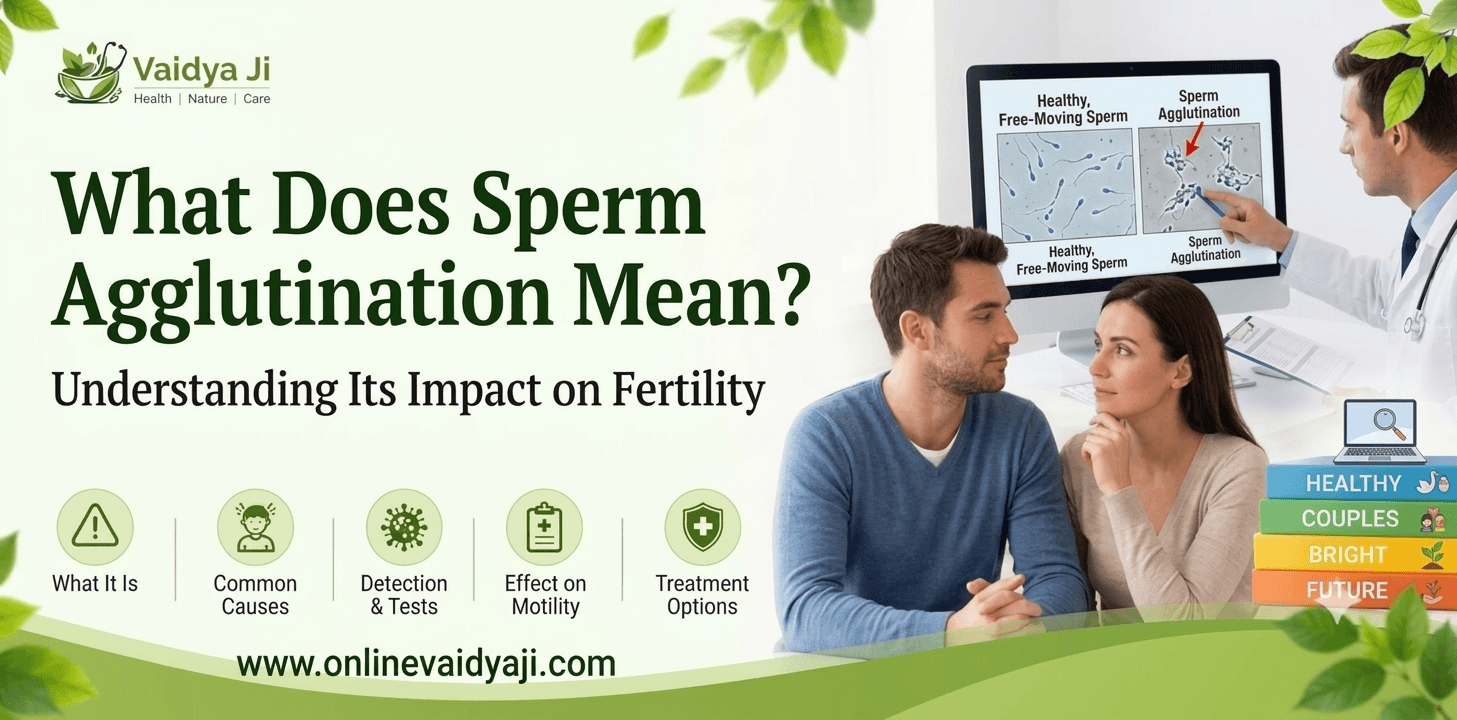
Finding unusual terms on a semen analysis report can cause immediate stress and worry. Among these, sperm agglutination is a term that frequently raises questions for couples navigating fertility evaluations.
Understanding what this finding means is the first step toward clarity. Sperm agglutination refers to the clumping or sticking together of motile sperm cells. While seeing this on a report can feel alarming, it is not a standalone disease, nor does it automatically mean that natural conception is impossible.
This comprehensive guide explores sperm agglutination, its underlying causes of sperm agglutination, typical sperm agglutination symptoms, and modern sperm agglutination treatment options to help you interpret your results and consult your healthcare provider with confidence.
What Is Sperm Agglutination?
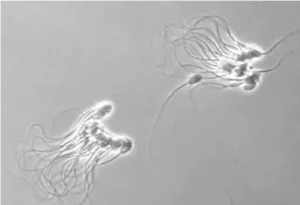
A healthy sperm cell consists of a head (containing genetic material), a midpiece (supplying energy), and a tail (providing motility). In a normal semen sample, sperm move independently. When agglutination happens, these cells bind together, which can restrict forward progression (progressive motility).
How Laboratories Grade Agglutination
Semen analysis reports often grade agglutination based on the percentage of sperm involved:
- + (Sub-mild): 10% or fewer sperm are agglutinated.
- ++ (Mild): 10% to 20% of sperm are agglutinated.
- +++ (Marked): 21% to 40% of sperm are agglutinated.
- ++++ (Very marked): Greater than 40% of sperm are agglutinated.
What Causes Sperm Agglutination?
Agglutination rarely happens without an underlying trigger. Recognizing the root cause helps physicians determine the appropriate management plan. Common causes of sperm agglutination include:
- Antisperm Antibodies (ASAs): The immune system mistakenly identifies sperm as foreign invaders and produces antibodies that attach to them, causing clumping. These often develop when the protective blood-testis barrier is breached.
- Reproductive Tract Infections: Bacterial infections, prostatitis, epididymitis, orchitis, or sexually transmitted infections (STIs) cause inflammation that alters seminal fluid chemistry and promotes clumping.
- Physical Trauma or Injury: Direct impact to the scrotal area, previous surgeries (such as vasectomy or hernia repair), or testicular torsion can damage the blood-testis barrier.
- Varicocele: Enlarged veins inside the scrotum can raise local temperatures and oxidative stress, sometimes correlating with antisperm antibody formation.
- Nutritional Deficiencies: Low levels of key antioxidants, such as Vitamin C (ascorbic acid), have been linked in studies to altered sperm membrane integrity and clumping.
Sperm Agglutination Symptoms
Couples typically undergo semen analysis after experiencing difficulty conceiving (typically after 12 months of regular unprotected intercourse, or 6 months if the female partner is over 35).
However, if agglutination is secondary to an underlying infection or inflammation, you might notice associated symptoms such as:
- Testicular discomfort, ache, or swelling
- Pain, burning, or discomfort during urination
- Unusual penile discharge
- Fevers or chills accompanying pelvic or scrotal pain
Sperm Agglutination vs. Sperm Aggregation
It is easy to confuse sperm agglutination with sperm aggregation, but they describe entirely different microscopic findings:
| Feature | Sperm Agglutination | Sperm Aggregation |
| Definition | Motile sperm actively stick to other motile sperm. | Sperm clump non-specifically with cellular debris, mucus, or dead cells. |
| Clumping Pattern | Head-to-head, tail-to-tail, or mixed patterns. | Irregular, random clumps mixed with non-sperm matter. |
| Clinical Significance | Often associated with immune factors or antisperm antibodies. | Generally non-specific; less directly tied to immune infertility. |
| Observation | Identified via microscopic semen analysis. | Identified via microscopic semen analysis. |
How Is Sperm Agglutination Diagnosed?
Diagnosis begins with a standard semen analysis performed in an accredited andrology laboratory. If significant clumping is observed, your doctor may recommend follow-up evaluations:
- Antisperm Antibody Testing (MAR test or Immunobead test): Determines whether immune proteins are actively coating the sperm surface.
- Microbiological Cultures / Urinalysis: Checks for asymptomatic or chronic reproductive tract infections.
- Ultrasound of the Scrotum: Evaluates for structural issues like varicoceles, testicular abnormalities, or obstruction.
Read More Blog : Sweet Corn Benefits: Nutritional Value, Health Uses and Side Effects
Sperm Agglutination Treatment
Medical and Assisted Reproductive Options
- Treating Infections: Clearing bacterial or STI-related inflammation often restores normal seminal fluid parameters.
- Intrauterine Insemination (IUI): Washed sperm are placed directly into the uterine cavity, bypassing hostile cervical mucus or high agglutination zones.
- In Vitro Fertilization (IVF) with ICSI (Intracytoplasmic Sperm Injection): A single healthy, motile sperm is selected and injected directly into an egg, overcoming severe sperm binding or antibody barriers.
Can Sperm Agglutination Be Reduced Naturally?
While there is no home remedy that instantly reverses sperm agglutination, adopting healthy lifestyle habits supports overall reproductive health and semen quality:
- Eat an Antioxidant-Rich Diet: Incorporate fresh fruits, vegetables, nuts, and whole grains rich in vitamins C and E, zinc, and folate.
- Stay Active and Maintain a Healthy Weight: Regular physical activity regulates hormone levels and lowers systemic inflammation.
- Avoid Heat Stress: Limit prolonged exposure to hot tubs, saunas, and tight clothing around the pelvic region.
- Quit Smoking and Limit Alcohol: Reducing toxins protects sperm DNA integrity and membrane stability.
Conclusion: Focus on Root Causes and Actionable Steps
Discovering sperm agglutination on a lab report can feel overwhelming, but keeping a clear perspective is crucial: sperm agglutination is a manageable finding, not an absolute barrier to parenthood.
Because agglutination is driven by specific underlying factors—ranging from treatable infections to antisperm antibodies—the key to overcoming it lies in accurate diagnosis. Rather than worrying about the clumping itself, focus on partnering with a urologist or fertility specialist who can identify the primary trigger and tailor a targeted treatment plan. Whether through simple infection management, dietary optimization, or advanced reproductive techniques like IUI and ICSI, modern reproductive medicine offers reliable, proven paths to building your family.
Frequently Asked Questions (FAQs)
1. Does sperm agglutination mean I am permanently infertile?
No. Sperm agglutination is a microscopic finding, not a definitive diagnosis of permanent infertility. Many couples with agglutination achieve pregnancy naturally or successfully utilize fertility treatments like IUI and IVF.
2. Can lifestyle changes cure sperm agglutination caused by antibodies?
Lifestyle changes improve overall sperm health, but they rarely reverse established antisperm antibodies on their own. Immune-mediated agglutination typically requires medical guidance or assisted reproductive techniques.
3. What is a normal range for sperm agglutination on a report?
Ideally, a semen analysis should show little to no agglutination (under 10% of sperm affected). Higher percentages prompt your urologist or fertility specialist to investigate potential immune factors or infections.
4. Can sperm agglutination resolve on its own?
Yes. If agglutination is caused by a temporary or acute reproductive tract infection, clearing the infection with proper medical treatment often resolves the sperm clumping and restores normal semen parameters over time.
5. Does sperm agglutination affect sperm count or DNA quality?
Sperm agglutination primarily impacts sperm motility (how well sperm move) rather than the actual sperm count. However, underlying factors that cause agglutination—such as chronic inflammation, oxidative stress, or varicoceles—can simultaneously affect overall sperm concentration and DNA integrity.