
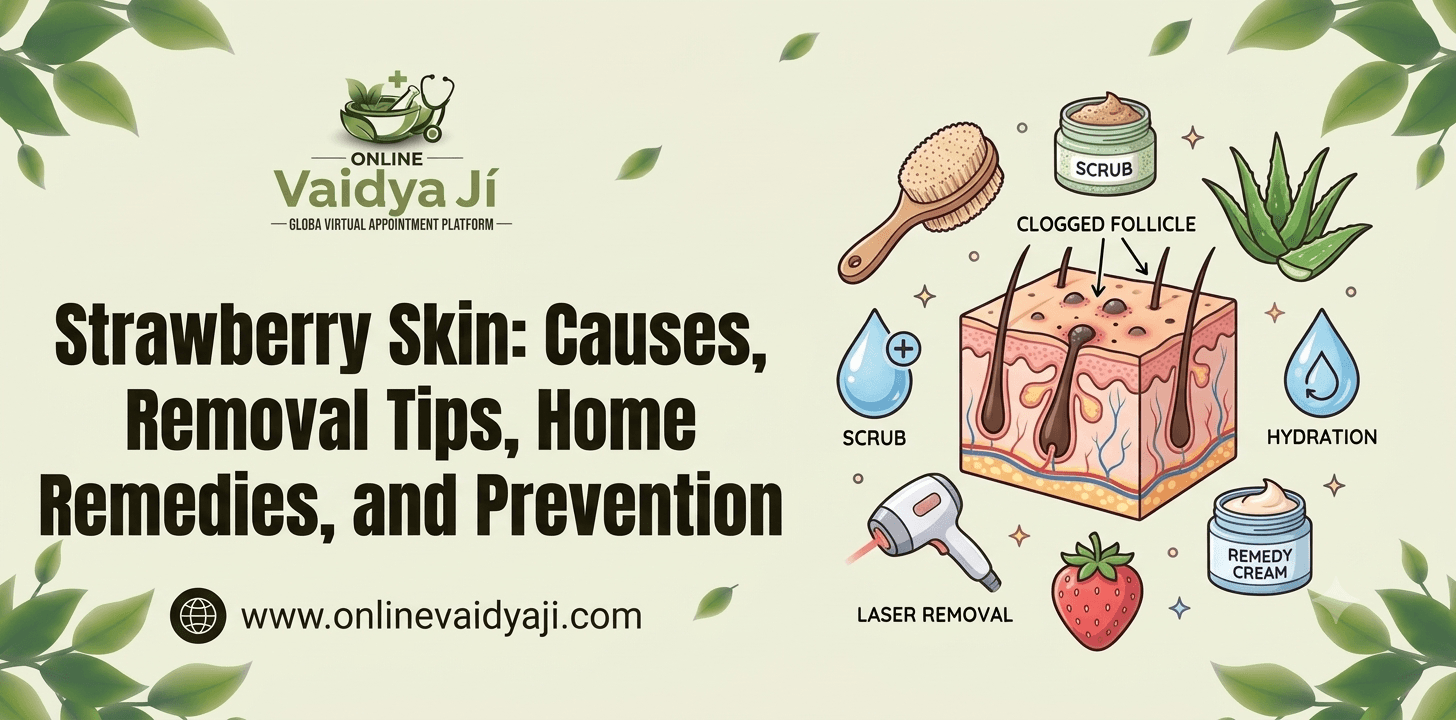
Smooth, flawless legs are a beauty standard many strive for, but dealing with dark dotted pores or bumpy textures can feel frustrating. Often referred to as strawberry skin or strawberry legs, this common skin condition affects millions of people regardless of age or skin type. Whether you notice it after shaving or as a persistent bumpy texture on your thighs and calves, understanding the root causes and adopting the right skincare regimen can make a dramatic difference. In this comprehensive guide, we explore everything you need to know about strawberry skin, from effective home remedies to advanced removal options.
What Is Strawberry Legs?
Strawberry legs refer to a common skin condition where enlarged, open hair follicles or pores containing trapped oil, bacteria, dead skin cells, or ingrown hairs appear as small dark or reddish dots, closely resembling the dotted texture of a strawberry surface.
If you have ever asked yourself, “what is strawberry legs” and why it happens, you are not alone. Scientifically termed open comedones, clogged pores, or mild forms of keratosis pilaris, these dark spots typically manifest on the legs, arms, and buttocks. When hair follicles or sweat glands become plugged, they oxidize upon exposure to air, turning dark and creating that distinct speckled appearance. While entirely harmless medically, strawberry skin can be an aesthetic concern that affects personal confidence.
Root Causes and Common Triggers
Identifying why your skin develops this bumpy appearance is the first step toward finding a lasting solution. Several physiological and mechanical factors contribute to strawberry skin:
- Improper Shaving Techniques: Using dull razor blades, shaving without a proper lubricating gel, or shaving against the grain can irritate hair follicles, leading to micro-tears, inflammation, and trapped hairs.
- Keratin Buildup: A surplus of keratin—a protective protein produced by the skin—can block pore openings, causing hard little bumps known clinically as keratosis pilaris.
- Folliculitis: A mild bacterial or fungal infection of the hair follicles can trigger red or dark spots accompanied by slight itching or tenderness.
- Chronic Dryness: Dehydrated skin flakes easily, making it harder for dead skin cells to shed naturally. These trapped cells accumulate around follicles and worsen the appearance of strawberry skin.
- Friction and Tight Clothing: Continuous rubbing from tight leggings or synthetic workout gear traps sweat and bacteria against the skin, causing follicular irritation.
Effective Home Remedies for Strawberry Skin
You can manage and improve strawberry skin at home by consistently practicing gentle exfoliation with chemical or physical agents, keeping your skin deeply moisturized, and upgrading your hair removal routine.
If you are looking for an accessible strawberry legs solution that fits into your daily routine, several simple home practices can yield remarkable improvements:
- Gentle Chemical Exfoliation: Incorporate body washes or lotions containing lactic acid, glycolic acid, or salicylic acid. These beta and alpha-hydroxy acids dissolve dead skin cells and clear out debris deep within hair follicles without abrasive scrubbing.
- Consistent Deep Moisturization: Apply a rich, fragrance-free moisturizer containing nourishing ingredients like shea butter, glycerin, or ceramides immediately after showering while your skin is still damp. This seals in hydration and supports a healthy skin barrier.
- Upgraded Shaving Habits: Always use a clean, sharp, single-blade or multi-blade razor along with a hydrating shaving cream. Avoid dry shaving and never go over the same patch of skin repeatedly.
- Oatmeal and Curd DIY Scrub: For a natural soothing treatment, mix finely ground oatmeal with plain yogurt or curd to create a gentle body polish. Use it softly before showering to slough away dead skin cells without micro-tearing the epidermis.
Professional Strawberry Legs Removal & Solutions
When stubborn bumps fail to respond to home care, exploring professional strawberry legs removal methods or advanced clinical solutions is a great pathway. Dermatologists offer targeted treatments tailored to individual skin types:
- In-Office Chemical Peels: Professional-grade peels utilize higher concentrations of glycolic or trichloroacetic acid to deeply exfoliate the skin layers, clear stubborn follicular plugs, and accelerate cellular turnover.
- Laser Hair Removal: Since chronic shaving is a primary trigger for recurrent strawberry skin, laser hair removal targets the hair follicle at the root, permanently reducing hair growth and eliminating shaving-induced irritation.
- Microdermabrasion or Exfoliating Facials for Body: Mechanical exfoliation procedures buff away stubborn outer layers of dead skin, instantly smoothing rough patches and evening out skin tone.
- Topical Prescription Retinoids: For severe keratosis pilaris or persistent follicular plugging, a dermatologist may prescribe specialized retinoid creams to regulate skin cell shedding and keep pores clear.
Home Care vs. Clinical Treatments: A Comparison Table
To help you decide the best path for your skincare journey, here is a clear breakdown comparing everyday home remedies with professional clinical interventions:
| Approach | Best Suited For | Key Benefits | Time to See Results |
| Home Remedies | Mild strawberry skin, dry skin, and shaving irritation | Cost-effective, easy to maintain, gentle daily maintenance | 4 to 8 weeks of consistent care |
| Clinical Treatments | Stubborn keratosis pilaris, deep folliculitis, chronic ingrown hairs | Long-lasting reduction, professional guidance, faster targeted results | 2 to 4 sessions / immediate professional relief |
| Laser Hair Removal | Preventing razor-induced bumps and recurring follicle irritation | Permanent hair reduction, stops root cause of shaving trauma | 6 to 8 weeks per treatment cycle |
Proven Prevention Tips for Smooth Skin
Preventing strawberry skin involves maintaining a balanced hygiene routine, keeping razors pristine, wearing breathable fabrics, and protecting your skin from excessive moisture loss.
Maintaining smooth legs requires proactive daily habits. Follow these expert-backed prevention tips to keep your skin clear:
- Sanitize and Replace Razors: Always store razors in a dry place and replace blades frequently to prevent bacterial buildup from transferring onto freshly shaved skin.
- Opt for Loose, Breathable Apparel: Reduce friction by choosing cotton or moisture-wicking loose clothing instead of tight synthetic tights, especially during workouts.
- Shorten Shower Times: Limit showers to under 15–20 minutes using lukewarm water rather than hot water, which strips natural skin oils and accelerates dryness.
- Incorporate Sunscreen: Apply a broad-spectrum SPF 30 or higher sunscreen on exposed legs to protect against UV-induced hyperpigmentation and dark spot intensification.
When to Consult a Dermatologist
While mild strawberry skin is purely cosmetic and entirely harmless, certain signs warrant professional medical attention. You should schedule an appointment with a board-certified dermatologist if you experience:
- Severe itching, persistent redness, or painful inflammation around hair follicles.
- Pus-filled bumps or signs of bacterial infection (folliculitis).
- No visible improvement after 6 to 8 weeks of consistent home care and moisturization.

Conclusion
Overcoming strawberry skin is entirely achievable once you identify its underlying triggers—whether stemming from improper hair removal practices, keratosis pilaris, or clogged hair follicles. By incorporating consistent chemical exfoliation, upgrading your shaving habits, and prioritizing deep moisturization, you can transform rough, dotted leg texture into smooth, clear skin. Whether you rely on gentle home remedies or opt for advanced clinical treatments like laser hair removal, consistency remains key. Start implementing these expert-backed care tips today to bid farewell to strawberry skin and embrace healthy, radiant confidence!
Frequently Asked Questions (FAQs)
Q1: Do strawberry legs go away completely on their own?
A1: Mild cases caused by temporary shaving irritation or dryness may improve with better hydration and gentle exfoliation. However, hereditary conditions like keratosis pilaris require ongoing maintenance and consistent skincare routines to keep bumps at bay.
Q2: Can lemon juice or harsh physical scrubs cure strawberry skin?
A2: No. Lemon juice is highly acidic and can cause irritation, sensitivity, or chemical burns when exposed to sunlight. Similarly, harsh physical loofahs or abrasive salt scrubs can micro-tear the skin and worsen inflammation. Gentle chemical exfoliants like salicylic or lactic acid are much safer and more effective.
Q3: Is waxing a better alternative to shaving for strawberry legs?
A3: Waxing pulls hair from the root, which can reduce the frequency of hair removal compared to shaving. However, for some individuals, waxing triggers follicle inflammation, redness, or ingrown hairs. If waxing irritates your skin, consider switching to laser hair removal or trimming.
Q4: Can salicylic acid really clear up bumpy skin on legs?
A4: Yes! Salicylic acid is a beta-hydroxy acid (BHA) that is oil-soluble, meaning it can penetrate deep inside hair follicles to dissolve dead skin cells, oil, and keratin plugs, making it one of the most effective ingredients for smoothing bumpy leg texture.