
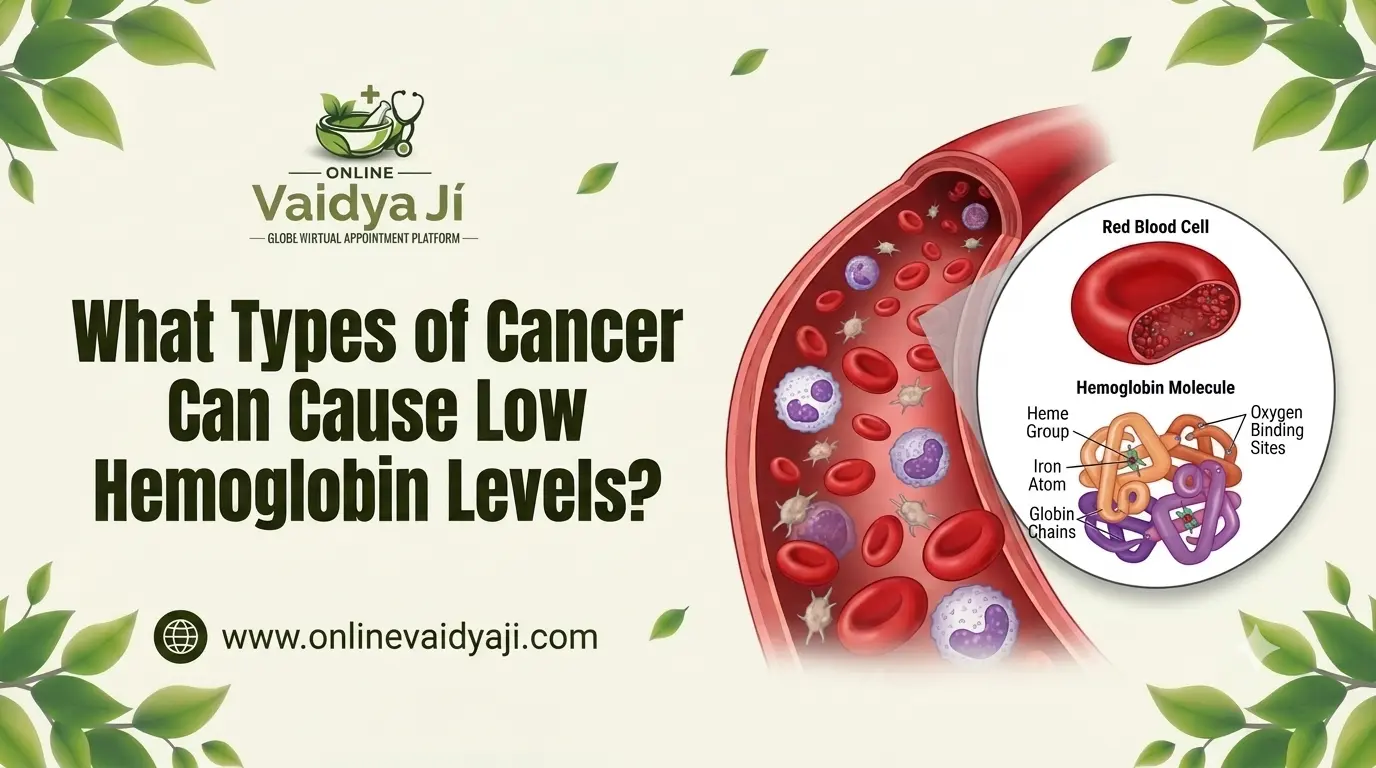
A routine blood test can sometimes reveal hidden health signals that require deeper medical investigation. One of the most frequently monitored lab parameters is haemoglobin, a critical iron-rich protein inside red blood cells. Persistently low haemoglobin levels—clinically known as anaemia—are not a disease on their own, but rather a warning sign. While anaemia is most commonly caused by non-cancerous factors like iron deficiencies, chronic infections, or vitamin imbalances, certain types of malignancies can also cause low haemoglobin.
Understanding how different malignancies impact red blood cell production helps clarify why oncologists closely monitor blood counts. This guide explores the relationship between cancer-related anemia, underlying mechanisms, and common triggers.
What Is Hemoglobin and Why Does It Matter?
Hemoglobin is a complex tetrameric protein found inside red blood cells (RBCs) that contains iron. Its primary biological function is to bind with oxygen in the lungs, transport it through the circulatory system to every tissue and organ in the body, and carry carbon dioxide waste back to the lungs for exhalation.
When hemoglobin levels drop significantly, organs and tissues receive less oxygen. This oxygen deficit is why individuals with low hemoglobin frequently experience persistent fatigue, shortness of breath, pale skin, dizziness, and generalized weakness.
The Connection Between Anaemia and Cancer
Anaemia is defined as a red blood cell or hemoglobin concentration below the normal reference range for age and biological sex. The link between low hemoglobin and cancer is complex and can be triggered by several distinct biological pathways:
- Direct Bone Marrow Interference: Cancers that originate in the bone marrow crowd out healthy hematopoietic stem cells, severely inhibiting normal red blood cell production.
- Chronic Gastrointestinal or Gynecological Blood Loss: Solid tumours in organs like the colon, rectum, or cervix can cause slow, microscopic, or overt bleeding, depleting systemic iron reserves over time.
- Inflammatory Cytokines (Anemia of Chronic Disease): Active cancer triggers an immune response, releasing inflammatory molecules (like cytokines) that trap iron in storage sites, preventing the body from utilizing it to build new red blood cells.
- Renal Dysfunction: Tumours affecting the kidneys can impair the production of erythropoietin (EPO), the essential hormone that signals bone marrow to manufacture red blood cells.
- Treatment-Induced Suppression: Standard cancer therapies such as chemotherapy and radiation suppress bone marrow activity, reducing its ability to generate blood cells.
Cancers Commonly Associated with Low Hemoglobin
Not all malignancies affect blood counts equally. Certain cancers are much more likely to cause cancer-related anemia due to their location and impact on physiological systems.
1. Blood and Bone Marrow Cancers (Haematological Malignancies)
- Leukaemia: Malignant white blood cells multiply uncontrollably in the bone marrow, crowding out the cells responsible for producing red blood cells and platelets.
- Multiple Myeloma: Abnormal plasma cells build up in the bone marrow, disrupting normal hematopoiesis and frequently leading to severe anaemia.
- Lymphomas (Hodgkin and Non-Hodgkin Lymphoma): These cancers affect the lymphatic system and bone marrow, often suppressing red blood cell production or accelerating RBC destruction.
2. Gastrointestinal Cancers
- Colorectal Cancer: Tumours in the colon or rectum often bleed slowly into the digestive tract. Because this blood loss is gradual, patients may not notice overt bleeding, but it steadily depletes iron reserves, causing iron-deficiency anaemia.
- Stomach (Gastric) Cancer: Tumours in the stomach lining can cause chronic bleeding and impair the absorption of crucial nutrients like iron and vitamin B12.
3. Gynecological Cancers
- Cervical and Uterine Cancers: Tumours in the reproductive tract frequently cause abnormal bleeding outside normal menstrual cycles, leading to significant chronic blood loss and subsequent low hemoglobin.
4. Kidney Cancer (Renal Cell Carcinoma)
- The kidneys produce erythropoietin (EPO). When renal tumours damage kidney tissue, EPO production drops, starving the bone marrow of the hormonal signal required to make red blood cells. (Note: In rare cases, certain renal tumors secrete excess EPO, causing high hemoglobin instead).
Comparison: Cancers Causing Low vs. High Hemoglobin
| Condition / Cancer Type | Primary Impact on Blood Count | Primary Underlying Mechanism |
| Leukaemia & Multiple Myeloma | Low Hemoglobin (Anaemia) | Bone marrow crowding and suppression of healthy red blood cell synthesis. |
| Colorectal & Stomach Cancer | Low Hemoglobin (Anaemia) | Chronic, occult, or overt gastrointestinal bleeding depleting iron stores. |
| Cervical & Uterine Cancer | Low Hemoglobin (Anaemia) | Ongoing localized tissue bleeding and subsequent iron deficiency. |
| Renal Cell Carcinoma | Low Hemoglobin (or High) | Disruption of erythropoietin (EPO) hormone regulation by the kidneys. |
| Polycythemia Vera | High Hemoglobin (Erythrocytosis) | A rare bone marrow disorder causing an overproduction of red blood cells. |
Non-Cancer Causes of Low Hemoglobin
It is important to emphasize that low hemoglobin is extremely common and most often caused by non-cancerous conditions. If your lab results show low hemoglobin, it does not mean you have cancer. Other frequent triggers include:
- Nutritional iron, folate, or vitamin B12 deficiencies
- Heavy menstrual bleeding in women
- Chronic kidney disease (non-malignant)
- Chronic inflammatory conditions (e.g., rheumatoid arthritis, inflammatory bowel disease)
- Acute or chronic infections (such as malaria or tuberculosis)
- Inherited blood disorders like thalassemia or sickle cell trait
How Cancer Treatment Affects Hemoglobin Levels
Treating cancer can also impact red blood cell counts. Understanding these treatment side effects helps patients manage symptoms of low hemoglobin during therapy:
- Chemotherapy: Designed to target rapidly dividing cells, chemotherapy also impacts healthy fast-growing cells in the bone marrow, temporarily hindering blood cell production.
- Radiation Therapy: Radiation directed at large bone marrow reservoirs (such as the pelvis or spine) can reduce the body’s capacity to manufacture new red blood cells.
- Surgery: Major surgical procedures involve blood loss that can temporarily lower hemoglobin levels, managed through post-operative monitoring or transfusions if necessary.
Conclusion
A low hemoglobin count is an important indicator that signals your body is not receiving sufficient oxygen, but it is rarely a definitive sign of cancer on its own. While cancers that cause anemia—such as leukemias, lymphomas, and gastrointestinal tumors—do so through mechanisms like bone marrow suppression or chronic blood loss, the vast majority of low hemoglobin cases stem from benign nutritional deficiencies, chronic inflammation, or blood loss. If routine blood work reveals low hemoglobin and cancer concerns, a comprehensive medical evaluation by a healthcare professional is essential to identify the precise underlying cause, evaluate accompanying symptoms of low hemoglobin, and determine the appropriate path forward.
Frequently Asked Questions (FAQs)
1. Does low hemoglobin always mean cancer?
No. Low hemoglobin is most commonly caused by iron deficiency, nutritional shortages, heavy menstrual bleeding, chronic inflammation, or benign kidney issues. Cancer is only one of many potential causes and is diagnosed through comprehensive medical evaluations, not blood counts alone.
2. What are the common symptoms of low hemoglobin?
Common symptoms include persistent fatigue, weakness, pale or yellowish skin, shortness of breath during light physical activity, dizziness, cold hands and feet, and frequent headaches.
3. Can cancer treatments worsen anaemia?
Yes. Treatments like chemotherapy and radiation can suppress bone marrow function temporarily, decreasing the production of red blood cells and worsening existing cancer-related anaemia.
4. How do doctors diagnose the cause of low hemoglobin?
Doctors typically start with a Complete Blood Count (CBC) test, followed by iron panels, ferritin levels, vitamin B12 tests, and if necessary, diagnostic imaging, endoscopies, or bone marrow biopsies to identify the root cause.