
Have you ever noticed fine, parallel lines on your skin after a sudden change in weight or during pregnancy? These are stretch marks, medically known as striae dispense. While they are completely harmless and serve as a testament to your body’s incredible resilience, many individuals look for effective ways to soften their texture and fade their color.
Whether you are exploring how to remove stretch marks or searching for practical natural ways to reduce stretch marks, understanding what triggers these dermal lines is the first step toward effective skincare management.
What Are Stretch Marks and Why Do They Form?
Stretch marks appear when the dermis—the middle layer of skin that helps it maintain its shape—is stretched beyond its normal capacity. When skin is pulled rapidly, the collagen and elastin fibers rupture or weaken. As the skin repairs itself, scars form underneath the surface, resulting in visible bands.
Common Causes of Stretch Marks
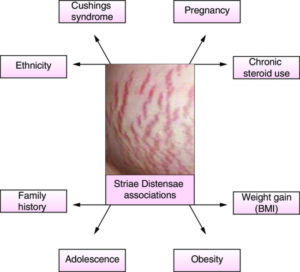
- Pregnancy: Hormonal shifts combined with rapid abdominal expansion make pregnancy one of the leading triggers.
- Rapid Weight Fluctuations: Sudden muscle gain (such as in bodybuilding) or rapid weight loss and gain can tear underlying fibers.
- Puberty: Accelerated growth spurts during adolescent years frequently cause stretch marks on the thighs, hips, and lower back.
- Corticosteroid Usage: Long-term topical or oral steroid use can reduce skin thickness and elasticity, making it more prone to tearing.
- Genetic Predisposition: If your parents or close family members developed stretch marks, your skin’s structural resilience may follow a similar pattern.
The Two Main Types of Stretch Marks
Understanding the evolutionary stage of your marks determines how responsive they might be to topical treatments or stretch marks treatment regimens:
| Type | Medical Name | Appearance & Characteristics | Treatment Responsiveness |
| Red/Purple Marks | Striae Rubrae | Freshly formed, pink, red, or purple; may feel slightly raised or itchy. | Highly responsive to topical hydration, natural oils, and early intervention. |
| White/Silver Marks | Striae Albae | Older, pale, silver, or white; indented lines with a wrinkled texture. | More permanent and harder to fade; requires consistent care, retinoids, or clinical procedures. |
Effective Natural Ways and Home Remedies for Stretch Marks
While completely erasing established stretch marks can be difficult, several natural approaches and home remedies for stretch marks can significantly improve skin hydration, boost collagen production, and fade their overall visibility.
1. Aloe Vera Gel
Aloe vera is celebrated for its soothing and skin-repairing properties. Pure aloe vera gel contains active compounds that nourish the skin matrix. Applying fresh gel directly to the affected area and massaging it gently for a few minutes daily helps improve skin texture and elasticity.
2. Virgin Coconut Oil
Rich in medium-chain fatty acids, virgin coconut oil deeply penetrates the epidermal layers. Regular massage with coconut oil enhances skin hydration, helps repair damaged cell walls, and prevents new marks from forming by keeping skin supple.
3. Centella Asiatica
Widely utilized in modern dermatology and skincare, Centella Asiatica (Gotu Kola) stimulates fibroblasts—the specialized cells responsible for synthesizing collagen. By protecting existing structural proteins, it helps improve skin firmness and tone.
4. Hyaluronic Acid
Hyaluronic acid acts as a powerful humectant, drawing moisture into the skin barrier. It protects collagen-producing cells from stress under rapid tension, making the skin appear plumper and reducing the contrast of indentation lines.
5. Olive Oil and Vitamin E
Massaging cold-pressed olive oil into the skin delivers a rich dose of antioxidants and vitamin E. Regular gentle massage boosts local microcirculation, nourishing dry skin and encouraging cellular regeneration.
Read More Blog : Best Yoga Asanas for Thyroid Health: Poses, Benefits, and Precautions
Advanced Professional Treatments for Stretch Marks
If natural remedies yield slow progress for older white stretch marks, dermatological procedures offer more dramatic reduction:
- Microneedling: Creates microscopic punctures in the skin to trigger controlled wound healing and stimulate deep collagen remodeling.
- Laser Therapy: Fractional lasers target deeper skin layers to encourage new elastin and collagen synthesis, blending the scar tissue with surrounding skin.
- Prescription Retinoids: Topical tretinoin creams rebuild collagen in newer, red stretch marks, though they should be avoided during pregnancy or breastfeeding.
When Should You Consult a Dermatologist?
Most stretch marks are purely cosmetic and do not pose any health risks. However, if you notice widespread, unexplained stretch marks accompanied by rapid weight gain, severe skin thinning, muscle weakness, or easy bruising, consult a healthcare professional. These symptoms can occasionally indicate underlying hormonal imbalances, such as Cushing’s syndrome.
Conclusion
Managing stretch marks is a journey that requires patience, consistency, and a deep understanding of your skin’s natural healing process. Whether caused by pregnancy, growth spurts, or weight fluctuations, these dermal lines are a common and natural part of bodily changes. While it is difficult to eliminate mature scars completely, incorporating natural home remedies—such as virgin coconut oil, aloe vera gel, and hyaluronic acid—into your daily routine can significantly soften their texture, keep your skin hydrated, and boost overall elasticity.
Frequently Asked Questions (FAQs)
Can stretch marks disappear completely on their own?
While fresh red stretch marks can fade significantly over time and become barely noticeable, older white or silver stretch marks rarely disappear entirely without targeted dermatological treatments. However, consistent moisturization and natural remedies can greatly soften their appearance.
Are home remedies effective for old white stretch marks?
Older white stretch marks (striae albae) are mature scars, meaning natural home remedies offer limited fading power. They work best on fresh red or purple marks by improving skin elasticity before the scars fully mature.
Can men get stretch marks?
Yes. Although commonly associated with pregnancy, men frequently develop stretch marks during adolescent growth spurts, sudden weight changes, bodybuilding, or due to corticosteroid medications.
Is it safe to use retinoids or essential oils during pregnancy?
No. Pregnant or nursing women should avoid prescription retinoids (like tretinoin) and certain potent essential oils, as they can be absorbed systemically and pose risks to fetal development. Always consult your obstetrician before starting any new skincare regimen during pregnancy.