
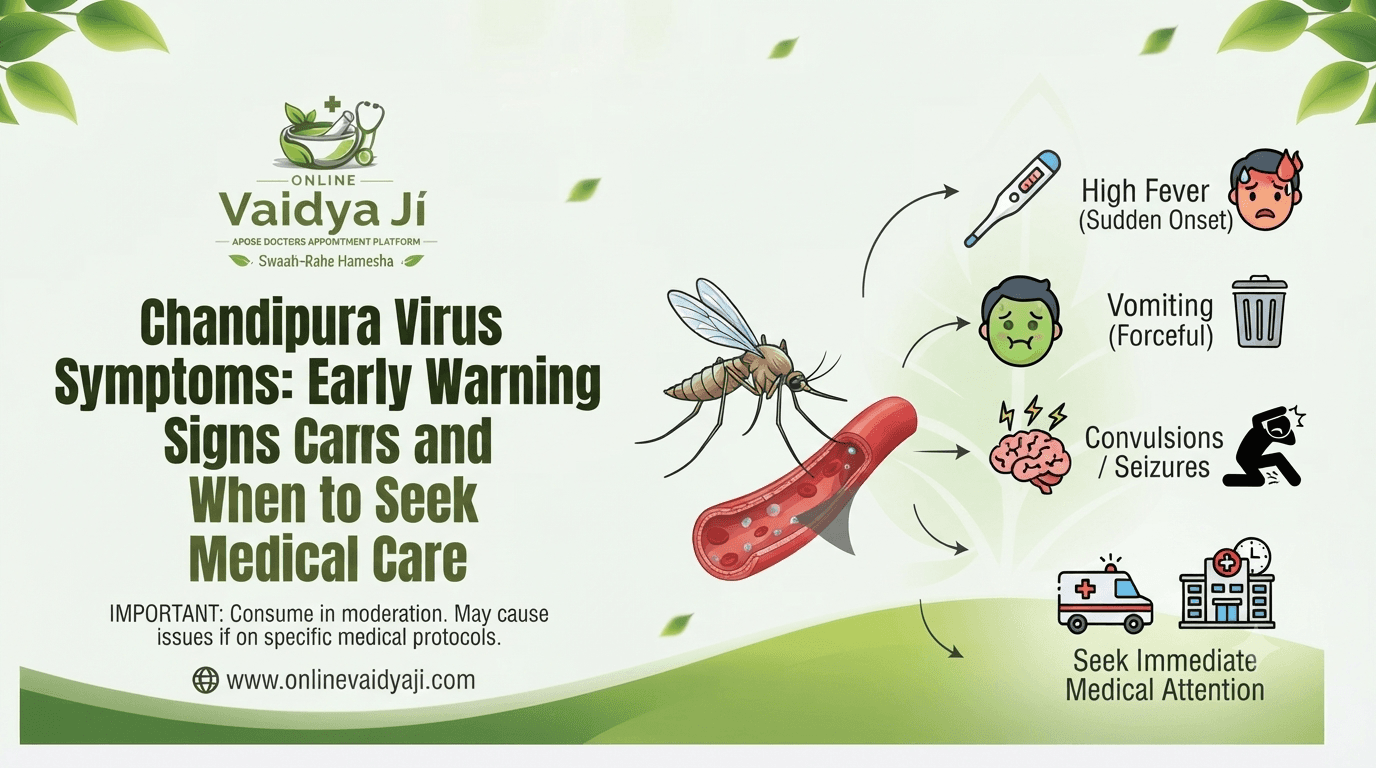
During a seasonal outbreak, it is natural for parents and caregivers to worry when a child suddenly develops a high fever, vomiting, or unusual lethargy. Chandipura virus (CHPV) is an acute viral pathogen that can cause severe neurological illness, particularly in children, with symptoms that can progress with alarming speed. Understanding the early symptoms, transmission vectors, and appropriate medical pathways is essential for timely care and peace of mind.
What Is Chandipura Virus (CHPV)?

The Chandipura virus is an RNA virus belonging to the Rhabdoviridae family and the genus Vesiculovirus. It is primarily transmitted through the bites of infected vectors such as sandflies. While many infections may remain asymptomatic or present as mild flu-like illnesses, the virus can occasionally invade the central nervous system, leading to acute encephalitis syndrome (AES)—a rapid inflammation of the brain characterized by seizures, altered consciousness, and high mortality rates if left untreated.
Key Facts at a Glance
- Discovery: First identified in 1965 in Maharashtra, India.
- Primary Demographics: Predominantly affects children under 15 years of age.
- Incubation Period: Typically short, ranging from 24 to 48 hours after exposure.
- Disease Progression: Can advance rapidly from a routine fever to neurological involvement within 48 to 72 hours.
How Chandipura Virus Spreads
Chandipura virus is strictly a vector-borne infection; it does not spread directly from person to person through casual contact, respiratory droplets, or touch. The primary vector responsible for transmission is the female sandfly (Phlebotomus species).
- Primary Vectors: Infected sandflies transmit the virus while feeding on human blood, typically during warm and humid months.
- Secondary Vectors: Certain species of mosquitoes and ticks have also been studied as potential carriers or contributors to transmission cycles.
- Environmental Risk Factors: Damp conditions during the monsoon season, cracks in mud walls, unpaved household flooring, and proximity to livestock shelters create ideal breeding and resting habitats for sandflies.
Symptoms of Chandipura Virus
Recognizing the symptoms of chandipura virus early can make a critical difference in clinical outcomes. The illness typically manifests in two distinct phases: initial general symptoms followed by rapid neurological deterioration.
Initial Warning Signs
The earliest signs often mimic other common seasonal viral infections, appearing suddenly within 24 to 48 hours of exposure:
- Sudden onset of high-grade fever
- Severe, persistent headache
- Generalized body aches and muscle pain
- Persistent vomiting and nausea
- Diarrhea and abdominal discomfort
Advanced Neurological Symptoms
As the infection progresses, it can affect the central nervous system, demanding immediate emergency medical intervention:
- Altered mental status, confusion, or disorientation
- Behavioral changes such as unusual irritability or extreme lethargy
- Seizures (convulsions)
- Neck stiffness and signs of meningeal irritation
- Rapid progression to semi-consciousness or coma
- Respiratory distress and multi-organ involvement
Chandipura Virus vs. Common Fever: Key Differences
Because early symptoms of chandipura virus resemble routine viral fevers, distinguishing between them is critical during peak seasons.
| Feature | Common Viral Fever | Chandipura Virus Infection |
| Primary Cause | Various common viral or bacterial pathogens | Chandipura virus (CHPV) |
| Fever Pattern | Usually manageable with standard antipyretics | Sudden high fever accompanied by severe systemic signs |
| Associated Symptoms | Mild fatigue, body aches, sore throat, or cough | Persistent vomiting, severe headache, diarrhea |
| Neurological Signs | Absent | Seizures, altered sensorium, rapid lethargy, or coma |
| Progression Speed | Resolves gradually over several days | Can progress from fever to severe brain involvement within 48–72 hours |
| Target Population | Individuals of all ages | Predominantly affects children under 15 years |
Chandipura Virus Treatment and Medical Management
Currently, there is no specific antiviral medication or commercial vaccine approved to target the Chandipura virus. Therefore, chandipura virus treatment relies entirely on early hospitalization, intensive supportive care, and aggressive management of neurological complications.
- Fluid and Electrolyte Balance: Intravenous (IV) fluids are administered carefully to maintain hemodynamic stability and hydration.
- Fever and Pain Control: Antipyretics and supportive measures are used to manage hyperthermia.
- Seizure Management: IV anticonvulsant drugs are immediately administered to control convulsions and protect brain function.
- Cerebral Edema Control: Medical protocols are implemented to reduce intracranial pressure and brain swelling.
- Respiratory Support: Severe cases involving respiratory distress or impaired consciousness require early intubation, oxygen therapy, and admission to a pediatric intensive care unit (PICU).
Read More Blog : Red Light Therapy: Does It Work? Benefits, Uses & What Research Says
Can Chandipura Virus Be Prevented?
Since no dedicated vaccine is currently available, effective chandipura virus prevention hinges on vector control and minimizing exposure to biting insects, especially in endemic rural regions during the monsoon season.
- Use Insect Repellents: Apply recommended insect repellents on exposed skin when outdoors or in high-risk areas.
- Protective Clothing: Dress children in long-sleeved shirts and full-length trousers.
- Bed Nets: Ensure family members, especially children, sleep under insecticide-treated mosquito nets (ITNs).
- Indoor Residual Spraying: Public health measures such as indoor residual spraying (IRS) help reduce sandfly populations in residential areas and animal sheds.
- Environmental Sanitation: Seal cracks, crevices, and holes in mud walls and unpaved floors where sandflies breed, and maintain clean drainage around homes.
Conclusion
Understanding the symptoms of chandipura virus and recognizing early warning signs can be lifesaving during seasonal outbreaks. Because the illness can advance rapidly from a routine high fever to severe neurological complications within 48 to 72 hours, prompt medical evaluation and intensive supportive care are vital. By implementing rigorous vector control measures—such as using insect repellents, sealing household cracks, and sleeping under treated nets—families can significantly reduce exposure risks. Staying vigilant and seeking immediate emergency care at the first sign of confusion or seizures ensures the best possible clinical outcome.
Frequently Asked Questions (FAQs)
What are the very first signs of Chandipura virus?
The earliest signs include a sudden high fever, severe headache, persistent vomiting, diarrhea, and general body aches that appear within 24 to 48 hours of exposure.
Is there a cure or specific treatment for Chandipura virus?
There is no specific antiviral drug or vaccine for CHPV. Treatment is entirely supportive, focusing on intensive care, hydration, seizure control, and managing brain swelling in a hospital setting.
How is Chandipura virus transmitted to humans?
It is primarily transmitted through the bite of infected female sandflies. It does not spread directly from person to person through touch, droplets, or routine social interaction.
When should a patient be taken to the emergency room?
Seek immediate emergency medical care if a child or individual with a sudden high fever exhibits neurological warning signs such as confusion, excessive lethargy, seizures, neck stiffness, or sudden loss of consciousness.