
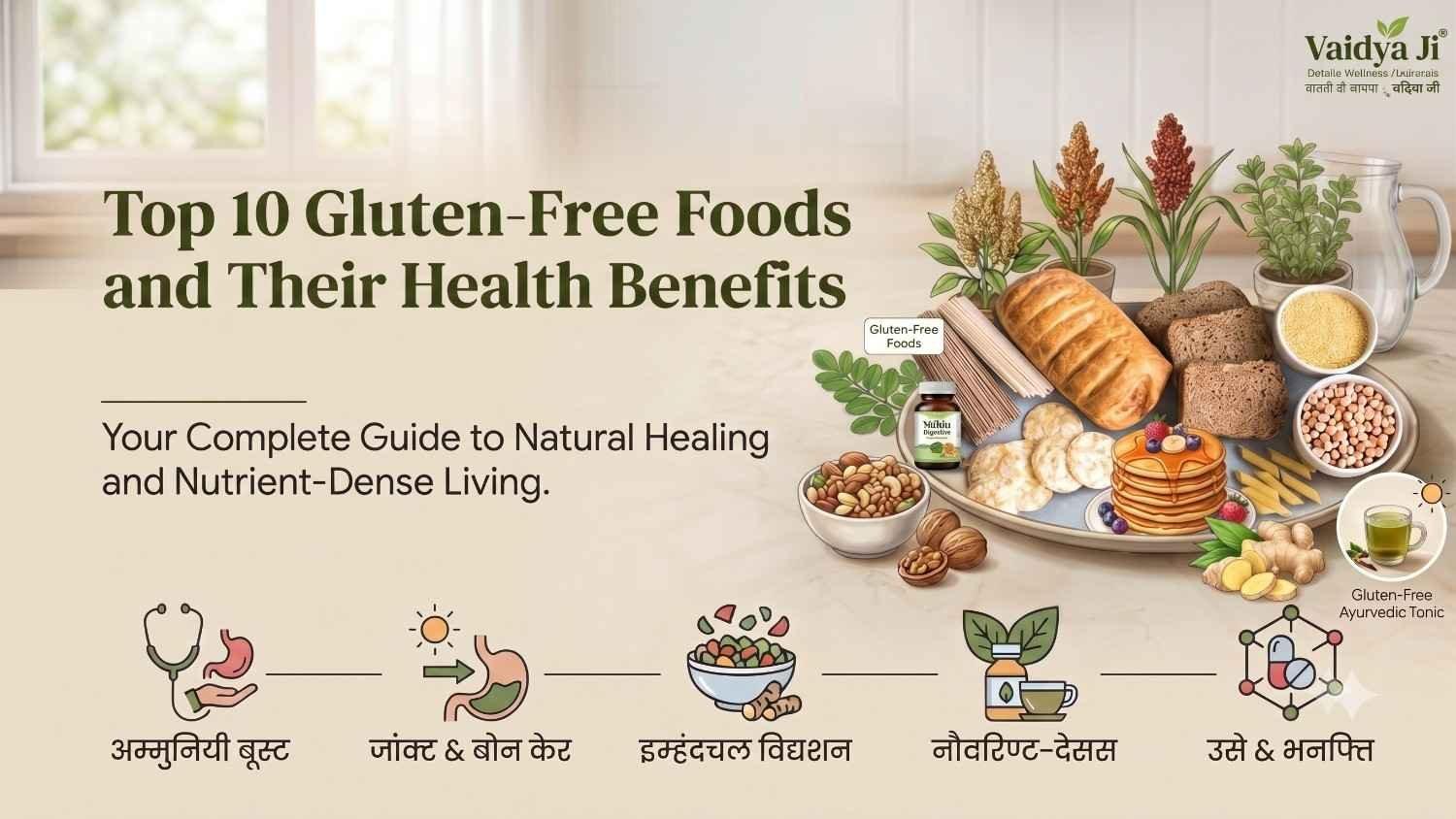
Transitioning to a wholesome diet often starts with discovering the right gluten free foods. Whether you have celiac disease, a wheat sensitivity, or simply want to optimize your digestive wellness, incorporating nutrient-dense, naturally gluten free foods into your daily meals can transform your energy levels and gut health.
Introduction to Gluten-Free Eating
The market for gluten free foods has expanded dramatically over the past decade, moving from niche specialty health stores to mainstream grocery aisles. Gluten is a family of proteins found in wheat, barley, rye, and triticale. While it provides elasticity to dough, making bread chewy and satisfying, it can trigger adverse immune or inflammatory responses in sensitive individuals.
As an expert-backed guide aligned with modern health search standards, this article explores the top ten nutrient-rich options available, highlighting why embracing a selection of gluten free foods can support overall vitality, improve nutrient absorption, and reduce chronic bloating.
Understanding the Top Gluten-Free Foods
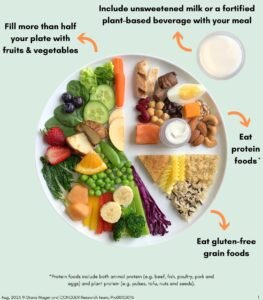
The best gluten free foods are naturally whole and unprocessed, including fresh fruits, vegetables, lean proteins, dairy, beans, legumes, and specific ancient pseudo-grains like quinoa and buckwheat that contain zero gluten proteins.
When building a sustainable grocery list, relying solely on processed “gluten-free substitute” products (like cookies and packaged breads) can lead to nutritional gaps. Focusing on whole-food options ensures you reap maximum dietary rewards. Here are the top ten choices to feature in your kitchen:
-
1. Quinoa: A powerhouse pseudo-grain packed with complete plant-based protein, magnesium, and fiber.
-
2. Brown and Wild Rice: Excellent sources of complex carbohydrates, manganese, and sustained daily energy.
-
3. Fresh Fruits and Vegetables: Naturally free of gluten, delivering vital vitamins, antioxidants, and minerals.
-
4. Legumes (Lentils, Chickpeas, and Beans): Exceptional sources of soluble fiber, iron, and plant-based protein.
-
5. Nuts and Seeds: Almonds, chia seeds, flaxseeds, and walnuts offer healthy fats and cellular protection.
-
6. Lean Meats, Poultry, and Fish: Unprocessed proteins that support muscle recovery without any hidden gluten binders.
-
7. Eggs: Nutrient-dense breakfast staples rich in B vitamins and healthy fats.
-
8. Dairy Products (Milk, Yogurt, Cheese): Provide calcium and probiotics (in yogurt), though labels should be checked for additives.
-
9. Buckwheat: Despite its name, it is entirely unrelated to wheat and makes a hearty, earthy porridge or flour alternative.
-
10. Amaranth and Teff: Nutrient-dense ancient grains high in calcium, protein, and iron.
Exploring Key Gluten Free Food Benefits
The primary gluten free food benefits include reduced gastrointestinal inflammation, enhanced digestion, more stable blood sugar control, and a noticeable decrease in chronic fatigue for sensitive individuals.
When individuals shift toward consuming clean, wholesome options, the physiological changes can be profound. Evaluating the distinct gluten free food benefits helps explain why many people adopt this lifestyle choice even without a formal celiac diagnosis:
-
Improved Gut Lining Integrity: Removing wheat proteins allows damaged intestinal villi to heal, preventing leaky gut symptoms and reducing chronic abdominal pain.
-
Enhanced Nutrient Absorption: With an undamaged intestinal tract, your body absorbs iron, calcium, and B-complex vitamins far more efficiently.
-
Reduced Bloating and Gas: Eliminating heavy, hard-to-digest grains often results in a flatter, more comfortable abdomen within days.
Analyzing General Gluten Free Diet Benefits
Beyond individual ingredients, an overall gluten free diet benefits your metabolic health by naturally steering you away from ultra-processed, high-glycemic junk foods.
-
Weight Management Support: Because many processed snacks and baked goods contain hidden gluten and refined sugars, cutting them out naturally lowers daily calorie and empty-carb intake.
-
Clearer Skin and Reduced Inflammation: Many people report a significant reduction in inflammatory skin conditions, such as eczema or adult acne, after transitioning.
-
Mental Clarity: Eliminating “brain fog” is one of the most commonly cited benefits of gluten free living among individuals who experience systemic sensitivity to wheat products.
Comparing Whole vs. Processed Gluten-Free Options
Understanding this distinction is critical. Just because a package bears a “gluten-free” label does not automatically categorize it as health food. Prioritizing naturally gluten free foods guarantees superior nutritional quality.
Conclusion
To wrap up, incorporating wholesome gluten free foods into your daily meal planning can be a powerful catalyst for better overall health. Whether your goal is to manage a medical sensitivity or simply experience the diverse gluten free food benefits—such as reduced bloating, improved nutrient absorption, and clearer skin—focusing on whole, unprocessed ingredients makes all the difference. While adopting a well-rounded gluten free diet benefits your metabolic and digestive wellness, navigating these changes successfully requires looking past processed alternatives. By understanding the core benefits of gluten free eating and prioritizing nutrient-dense whole foods, you can achieve sustainable vitality and long-term digestive comfort.
Disclaimer: This article is for informational purposes only and does not substitute for professional medical advice, diagnosis, or treatment. Always consult a qualified healthcare provider or registered dietitian before making major dietary changes.
Frequently Asked Questions (FAQs)
What are the main benefits of eliminating gluten if I don’t have celiac disease?
Even without celiac disease, many people experience reduced bloating, higher energy levels, clearer skin, and improved digestion by cutting out inflammatory grains and focusing on wholesome gluten free foods.
Are all grains considered gluten free?
No. Wheat, barley, rye, and triticale contain gluten. However, safe alternatives include rice, quinoa, buckwheat, amaranth, millet, and certified pure oats.
How can I ensure my gluten-free diet remains nutritionally balanced?
To keep your diet balanced, avoid relying heavily on processed replacement products and instead focus on a colorful variety of vegetables, lean proteins, healthy fats, and whole gluten free foods like beans and ancient grains.
Is weight loss guaranteed on a gluten-free regimen?
Not necessarily. While cutting out processed pastries and white bread can reduce calorie intake, many packaged gluten-free alternatives contain higher fat and sugar content to compensate for texture, which can impact weight.