
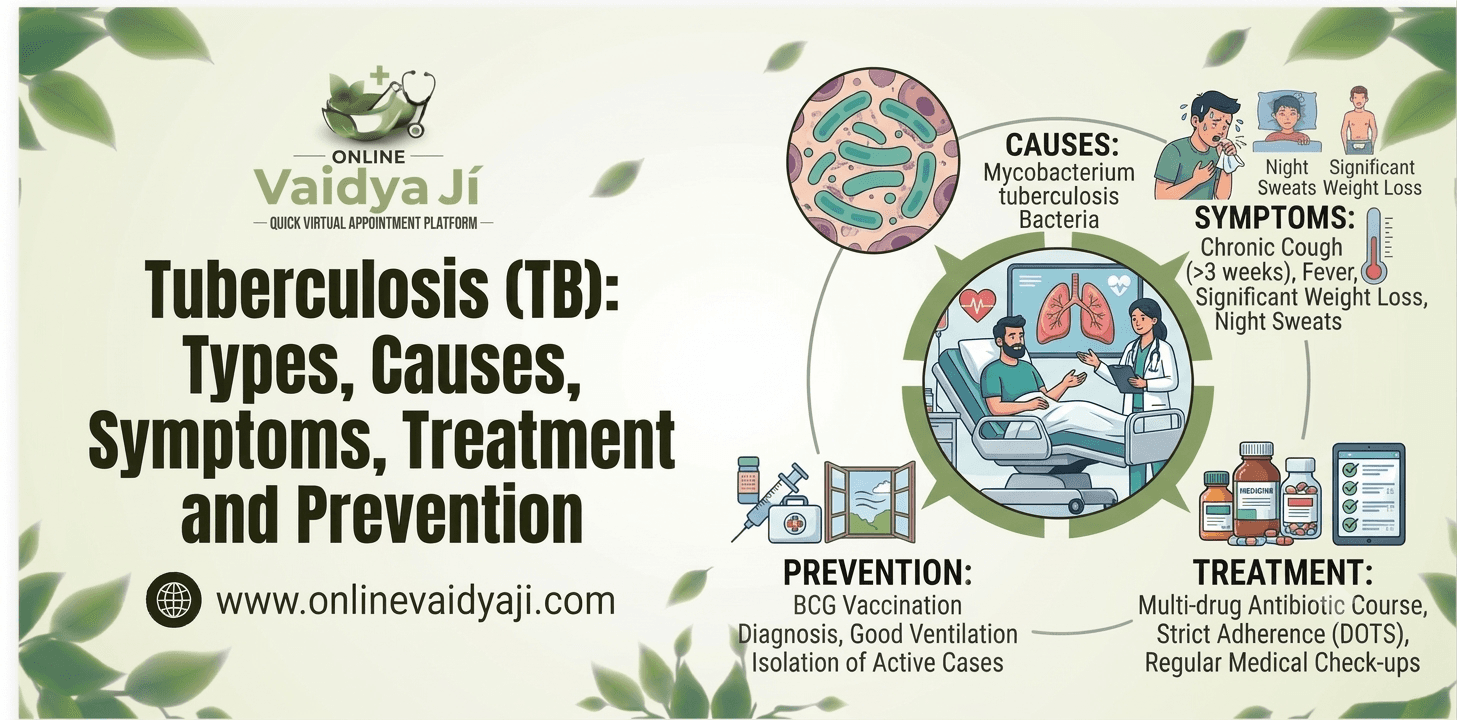
Tuberculosis remains one of the world’s most significant infectious health challenges, affecting millions of lives globally each year. Caused by a resilient bacterium, this multi-systemic condition can impact various organs throughout the human body, though the lungs are most frequently involved. Understanding the fundamentals of tuberculosis—including its transmission, clinical presentation, and management protocols—is vital for early detection, effective healing, and community health protection.
What Is Tuberculosis?
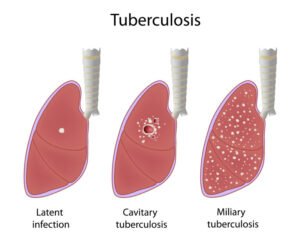
Tuberculosis is a chronic infectious disease primarily caused by the bacterium Mycobacterium tuberculosis, which typically attacks the lungs but can also affect other parts of the body such as the spine, kidneys, and brain.
Tuberculosis is an ancient disease that has impacted human populations for millennia. Historically referred to as consumption or Koch’s disease, it spreads through the air when an infected individual expels bacteria via coughing or sneezing. While global public health initiatives have made substantial progress in reducing mortality rates, TB continues to be a major health concern, particularly in low- and middle-income regions. The infection can remain dormant in the body for years without causing illness or manifesting symptoms, or it can become active and dangerous if the immune system becomes compromised.
Types of Tuberculosis
Tuberculosis is categorized based on infection status (latent vs. active), site of infection (pulmonary vs. extrapulmonary), and response to standard pharmaceutical treatments (drug-sensitive vs. drug-resistant).
The clinical manifestation and management approach depend heavily on the specific types of tuberculosis a patient contracts. Clinicians generally classify TB into three core categories:
- Infection Status:
- Latent TB: The bacteria live inside the body without making the person sick. Individuals with latent TB experience no symptoms and cannot transmit the infection to others, though the bacteria can reactivate later if immunity declines.
- Active TB: The bacteria multiply actively, causing physical illness and making the person contagious to others.
- Site of Infection:
- Pulmonary TB: Affects the respiratory system and lungs directly. It is the most common and most contagious form.
- Extrapulmonary TB: Occurs when the infection spreads outside the lungs to organs such as lymph nodes, bones (e.g., Pott’s disease in the spine), kidneys, or the central nervous system.
- Drug Response:
- Drug-Sensitive TB: Responds effectively to standard first-line antibiotic regimens.
- Drug-Resistant TB (MDR-TB / XDR-TB): Resistant to primary medications like isoniazid and rifampicin, requiring complex, extended, and aggressive alternative treatments.
Comparison: Latent vs. Active Tuberculosis
| Feature | Latent Tuberculosis | Active Tuberculosis |
| Bacterial Status | Inactive / Dormant | Multiplying / Active |
| Symptoms | None | Persistent cough, fever, weight loss |
| Contagiousness | Non-contagious | Highly contagious (if pulmonary) |
| Diagnostic Tests | Positive skin or blood test | Positive sputum test, chest X-ray, culture |
| Treatment Need | Preventive therapy to stop activation | Multi-month multi-drug antibiotic regimen |
What Causes Tuberculosis?
The primary tuberculosis causes stem directly from infection by Mycobacterium tuberculosis, a slow-growing aerobic bacterium possessing a protective waxy outer coat that shields it from destruction by human immune cells.
Unlike many fast-spreading bacterial infections, Mycobacterium tuberculosis thrives in oxygen-rich environments such as human lung tissue. Because it multiplies slowly, clinical signs often take weeks or months to emerge after the initial exposure.
When the bacteria enter the lungs, the immune system attempts to contain them by forming tiny clusters of immune cells known as granulomas. If successful, the bacteria remain dormant (latent TB). However, if the immune defenses weaken, these granulomas break down, allowing the bacteria to multiply, spread through the bloodstream or lymphatic pathways, and trigger active disease.
How Tuberculosis Spreads and Key Risk Factors
How tuberculosis spreads occurs strictly through airborne transmission—tiny respiratory droplets expelled into the air when a person with active pulmonary TB coughs, sneezes, speaks, or sings.
Transmission typically requires prolonged, close contact in poorly ventilated, crowded environments rather than casual, fleeting exposure.
Key Risk Factors
- Compromised Immune Systems: Conditions like HIV/AIDS, active cancer, or diabetes significantly lower the body’s ability to fight off bacterial proliferation.
- Immunosuppressive Medications: Patients undergoing chemotherapy or taking corticosteroid therapies face heightened vulnerability.
- Malnutrition and Lifestyle Factors: Poor nutritional status, substance abuse, and living in congested residential or institutional settings elevate infection risk.
- Incomplete Treatment History: Failing to finish a full course of prescribed antibiotics is a major driver behind drug-resistant strains.
Clinical Symptoms and Signs of TB
Common TB symptoms include a persistent cough lasting more than three weeks, unexplained weight loss, night sweats, fatigue, and a low-grade evening fever.
The presentation of symptoms varies depending on whether the infection is localized in the lungs or in other organs:
- Pulmonary Symptoms: A chronic cough frequently producing thick phlegm or blood-tinged sputum, chest pain during breathing or coughing, and shortness of breath.
- Systemic Symptoms: Profuse drenching night sweats, chronic low-grade fever that often spikes in the evening, profound physical fatigue, loss of appetite, and gradual weight loss.
- Extrapulmonary Symptoms: Depend entirely on the affected organ—such as back pain and spinal stiffness in skeletal TB, or swollen lymph nodes in lymphadenitis.
Accurate Diagnosis of Tuberculosis
TB diagnosis relies on a combination of clinical evaluation, chest X-rays, tuberculin skin tests (TST) or Interferon-Gamma Release Assays (IGRAs), and microbiological confirmation via sputum smear microscopy and molecular assays.
Early and precise diagnosis is critical for stopping transmission and ensuring a full recovery. Medical professionals utilize several diagnostic tools:
- Screening & Immunological Tests: Mantoux tuberculin skin test or specialized blood tests to detect latent or active immune response to the bacteria.
- Imaging Studies: Chest radiography (X-ray or CT scan) to visualize lung cavities, lesions, or pleural effusions.
- Microbiological & Molecular Testing: Sputum sample examination using acid-fast bacilli (AFB) staining and rapid molecular diagnostic tests (such as GeneXpert) to identify bacterial DNA and test for drug resistance simultaneously.
Effective Tuberculosis Treatment
TB treatment involves a prolonged course of multiple specialized antibiotics—typically lasting 6 months or longer—administered under strict medical supervision, such as DOTS (Directly Observed Treatment, Short-course).
Treating tuberculosis successfully requires strict adherence to a regimen combining medications like rifampicin, isoniazid, pyrazinamide, and ethambutol. Patients must complete the entire course of therapy, even if symptoms disappear within the first few weeks. Discontinuing medication early allows surviving bacteria to develop drug resistance, transforming a treatable condition into multidrug-resistant tuberculosis (MDR-TB), which is vastly more difficult and expensive to cure.
Tuberculosis Prevention
Tuberculosis prevention focuses on early diagnosis and treatment of active cases, administering the BCG vaccine to infants in endemic regions, practicing good indoor ventilation, and providing preventive therapy to individuals with latent infections.
Public health strategies play a pivotal role in curbing the spread of the disease:
- Vaccination: The Bacille Calmette-Guérin (BCG) vaccine provides significant protection against severe forms of TB in infants and young children.
- Infection Control: Ensuring adequate natural ventilation in homes, hospitals, and public facilities helps disperse airborne bacterial droplets.
- Latent TB Management: Treating individuals with latent infections prevents them from developing active, contagious disease later in life.
- Contact Tracing: Rapidly screening household and close contacts of newly diagnosed patients helps isolate and treat new infections early.
Conclusion
While tuberculosis remains a serious global health challenge, it is both preventable and completely curable with timely medical intervention. Recognizing early warning signs, securing an accurate diagnosis, and completing the full course of prescribed antibiotics are the most effective ways to achieve a full recovery and prevent drug resistance. By staying informed about tuberculosis transmission and prioritizing proactive health screenings, individuals and communities can work together to curb the spread of this infection and save lives.
Frequently Asked Questions (FAQs)
1. Is tuberculosis completely curable?
Yes, tuberculosis is both curable and preventable. With early diagnosis and strict adherence to a complete course of prescribed multi-drug antibiotic therapy, the vast majority of patients with drug-sensitive TB make a full recovery.
2. Can latent tuberculosis turn into active TB?
Yes. While latent TB is asymptomatic and non-contagious, the dormant bacteria can reactivate and develop into active tuberculosis if the individual’s immune system weakens due to aging, illness, malnutrition, or immunosuppressive medications.
3. How long does it take to stop being contagious after starting TB treatment?
Most patients with pulmonary TB stop being contagious after taking appropriate, effective medication consistently for about two to three weeks, provided their symptoms improve and sputum smear tests show a declining bacterial load. However, completing the full multi-month course is mandatory.
4. Does the BCG vaccine offer lifelong protection against tuberculosis?
The BCG vaccine is highly effective at protecting infants and young children against severe disseminated forms of TB (such as TB meningitis). However, its protective efficacy against pulmonary TB in adults varies, which is why prevention also relies heavily on infection control and early treatment.