

Urinary tract infections (UTIs) are among the most common bacterial infections diagnosed in older adults. While many people associate UTIs with standard discomforts like burning or frequent urination, a UTI in elderly individuals often presents differently, making early recognition a challenge for caregivers and family members. Because aging immune systems and physical changes alter how the body responds to bacteria, understanding the subtle signs, underlying causes, and proper care strategies is vital to preventing severe complications like urosepsis.
What is a UTI in Older Adults?
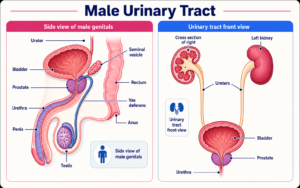
A urinary tract infection occurs when microorganisms—most commonly bacteria from the digestive tract such as Escherichia coli—enter the urethra and multiply in the bladder or kidneys. In older adults, physiological shifts, underlying chronic conditions, and incomplete bladder emptying create an environment where bacteria thrive more easily.
Distinguishing between a genuine symptomatic infection and asymptomatic bacteriuria (presence of bacteria without clinical symptoms) is critical. Routine screenings that find bacteria without active signs of illness generally do not require antibiotics, avoiding unnecessary drug resistance and side effects.
UTI Symptoms in Elderly: Spotting the Atypical Signs
Unlike younger populations who experience classic local discomfort, older adults frequently display atypical or behavioral indicators. This is especially true for seniors with dementia, Alzheimer’s disease, or those recovering from a stroke.
Typical vs. Atypical Symptoms Overview
| Symptom Category | Manifestations in Seniors | Clinical Context |
| Typical Urinary Signs | Burning during urination, pelvic discomfort, frequent or urgent need to pass urine, cloudy or foul-smelling urine. | Often reported if the senior can communicate clear localized discomfort. |
| Atypical / Behavioral Signs | Sudden confusion, acute delirium, lethargy, agitation, unexplained falls, sudden incontinence, or loss of appetite. | Frequently triggered by an immune-mediated systemic reaction or neurological sensitivity in frail seniors. |
| Severe / Upper Tract Signs | High fever, chills, flank or lower back pain, nausea, and vomiting. | Indicates the infection may have spread to the kidneys (pyelonephritis), requiring urgent medical evaluation. |
Causes of UTI in Older Adults
Why are seniors disproportionately affected by urinary tract infections? Several age-related structural, hormonal, and lifestyle factors contribute to this increased vulnerability:
- Incomplete Bladder Emptying: Enlarged prostates in older men or weakened pelvic floor muscles and bladder prolapse in women prevent the bladder from emptying fully, leaving residual urine that breeds bacteria.
- Hormonal Shifts: Postmenopausal women experience a drop in estrogen levels, altering vaginal pH and reducing protective Lactobacillus bacteria, which naturally defend against harmful pathogens.
- Urinary Catheters: Long-term or short-term indwelling catheters provide a direct pathway for bacteria to enter the sterile bladder environment.
- Incontinence and Hygiene Challenges: Bowel or urinary incontinence, coupled with infrequent changes of protective briefs or pads, heightens bacterial exposure.
- Chronic Health Conditions: Conditions like type 2 diabetes, neurological disorders, and chronic constipation impair immune response and normal bladder function.
UTI Treatment for Elderly
Prompt medical evaluation is essential when a senior displays acute behavioral changes or physical distress.
Diagnostic Protocols
A healthcare provider will typically perform a physical evaluation and order a urine culture and sensitivity test before prescribing medication. This step ensures the exact bacterial strain is identified so the most effective targeted antibiotic can be administered. Urine dipsticks alone are often insufficient or misleading in older populations.
Targeted Antibiotic Therapy
Doctors prescribe specific antibiotics—such as nitrofurantoin, cephalosporins, or fluoroquinolones—based on culture results and renal function. It is imperative that older patients complete the full prescription course, even if symptoms subside within a few days, to eradicate resistant bacteria and prevent recurrence.
Recurrent UTI in Elderly: Management Strategies
When an older adult experiences repeated infections (two or more UTIs in six months, or three in a year), proactive intervention is necessary:
- Urological Assessment: Investigate structural anomalies, bladder stones, or chronic prostate issues.
- Vaginal Estrogen Therapy: For postmenopausal women, low-dose topical estrogen creams can restore local flora and lower infection rates.
- Lifestyle Adjustments: Close monitoring of fluid intake, prompt voiding routines, and meticulous management of hygiene products.
UTI Prevention in Seniors
While not every infection can be avoided, a structured daily routine significantly lowers the risk of developing a UTI:
- Prioritize Hydration: Encourage regular fluid intake throughout the day to naturally flush out bacteria. Limit bladder irritants like alcohol, artificial sweeteners, and heavy caffeine.
- Establish Timed Voiding: Remind seniors to use the restroom every 2 to 3 hours rather than waiting for an intense urge, ensuring the bladder clears completely.
- Maintain Gentle Personal Hygiene: Encourage daily washing of the genital area with mild soap and water. For women, always wipe from front to back after using the bathroom.
- Manage Incontinence Carefully: Change soiled underwear or incontinence pads immediately to prevent bacteria from migrating toward the urethra.
- Opt for Breathable Clothing: Choose loose-fitting cotton underwear and avoid tight pants that trap moisture and encourage bacterial growth.

Conclusion
Recognizing and treating a UTI in elderly adults requires an understanding of how infections present differently as the body ages. Because behavioral shifts, sudden confusion, and unexplained lethargy often precede classic physical signs, early identification by family members and caregivers can make all the difference. By acting quickly at the first sign of distress, securing an accurate diagnosis, completing prescribed antibiotic courses, and keeping up with daily hydration and hygiene, you can help older loved ones avoid serious complications and maintain their quality of life.
Frequently Asked Questions (FAQs)
Can a UTI cause sudden confusion or dementia-like symptoms in older adults?
Yes. Sudden-onset confusion, delirium, or behavioral changes are classic atypical indicators of a UTI in seniors, even in the absence of burning or pelvic pain. Prompt treatment of the infection typically reverses these cognitive symptoms.
Should asymptomatic bacteriuria in seniors be treated with antibiotics?
No. If bacteria are present in the urine without accompanying clinical symptoms (such as fever, dysuria, or acute delirium), treatment is generally discouraged. Unnecessary antibiotic use does not improve outcomes and accelerates drug resistance.
When should a senior with a UTI be taken to the emergency room?
Seek immediate emergency medical care if the older adult exhibits high fever, severe lower back or flank pain, persistent vomiting, shaking chills, a sharp drop in blood pressure, or extreme lethargy, as these point toward a dangerous kidney infection or urosepsis.
What role does cranberry juice or supplements play in preventing UTIs in seniors?
While cranberry products contain compounds (proanthocyanidins) that may help prevent bacteria from adhering to the bladder walls in younger populations, clinical evidence regarding their effectiveness for older adults remains mixed. They can serve as a helpful dietary supplement alongside proper hydration, but they should never replace medical treatment or prescribed antibiotics for an active infection.
How do indwelling or intermittent catheters increase infection risks in older adults?
Catheters provide a direct physical pathway for bacteria to bypass the body’s natural defense mechanisms and enter the sterile bladder. Over time, bacteria can form a biofilm along the catheter surface, making infections difficult to clear. Proper catheter hygiene, strict sterile insertion techniques, and removing the catheter as soon as medically unnecessary are vital to minimizing infection risks.