
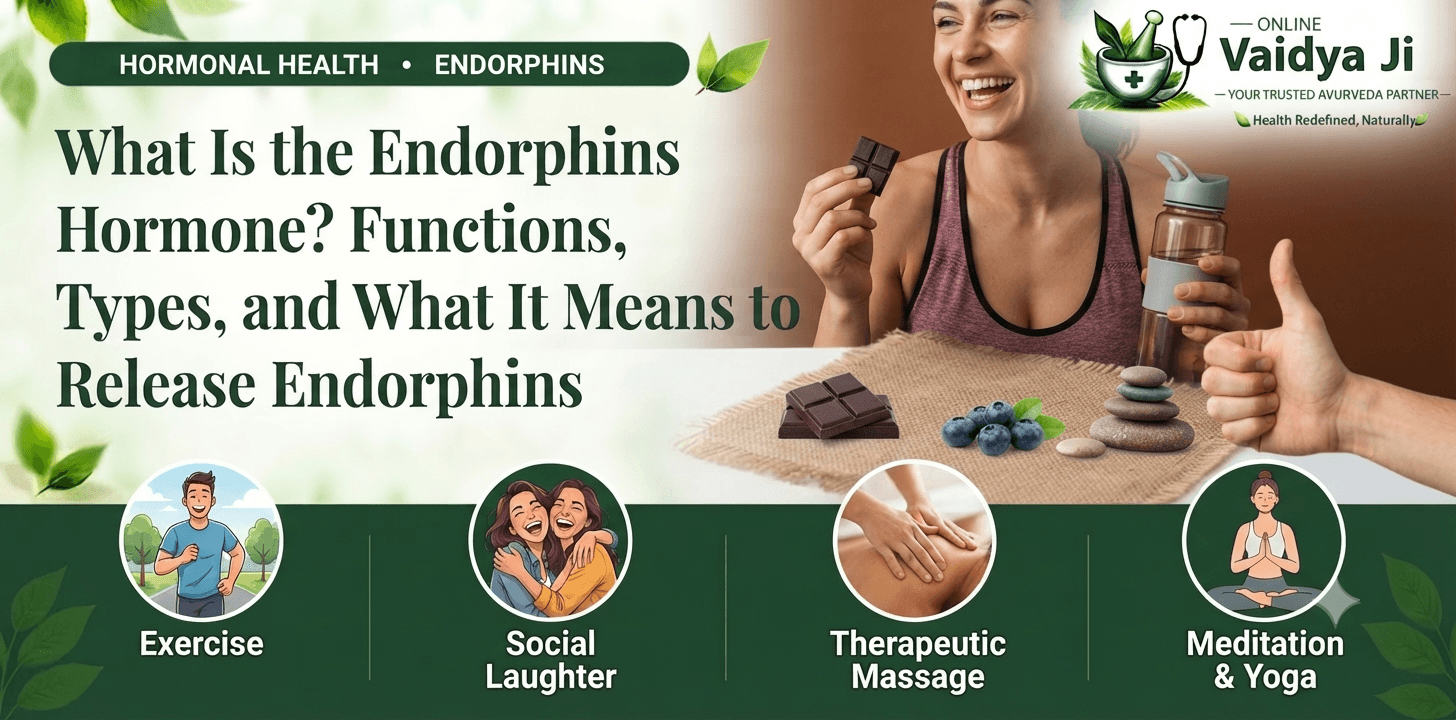
When you push through a tough workout, laugh uncontrollably with friends, or recover from a minor injury, your body experiences a natural wave of relief and euphoria. This incredible chemical response is largely driven by your body’s internal chemistry. Understanding what is endorphins hormone production can help you unlock better mood regulation, pain management, and overall well-being.
What Are Endorphins?
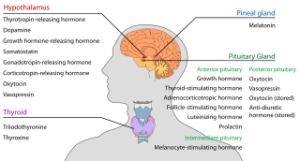
Endorphins are natural chemical messengers (neurotransmitters and hormones) produced by the central nervous system—specifically the pituitary gland and hypothalamus—primarily to reduce pain and manage stress.
The word “endorphin” is a contraction of “endogenous morphine,” meaning morphine originating from within the body. Because they share structural similarities with opioid medications, they bind to specific neural receptors to block pain signals and generate feelings of pleasure.
Types of Endorphins
There are over 20 distinct types of endorphins identified in the human body, with beta-endorphins acting as the most powerful and heavily researched group for pain and stress management.
Different variations target distinct areas of the nervous system:
- Beta-Endorphins: Primarily located in the brain and spinal cord, these are the heavy hitters responsible for the famous “runner’s high” and robust pain relief. They are more potent than morphine in terms of binding capacity under high-stress conditions.
- Alpha and Gamma Endorphins: These peptides also assist in regulating emotional responses, reward pathways, and sensory processing throughout the central nervous system.
Read More Blog : Irregular Periods: 10 Natural Ways to Support a More Regular Menstrual Cycle
What Are the Functions of Endorphins?
The core functions of endorphins include natural pain suppression, stress mitigation, immune support, and mood stabilization.
Examining what are the functions of endorphins reveals how deeply they impact daily survival and mental health:
- Natural Pain Reliever: They slow down or block the transmission of pain signals along nerve pathways during physical injury or exertion.
- Stress and Anxiety Buffer: When facing high-pressure situations, endorphins help lower physical tension and promote emotional calm.
- Mood Elevation: Working alongside neurotransmitters like dopamine and serotonin, they foster feelings of happiness and contentment.
- Appetite and Immune Regulation: Emerging research shows they help modulate inflammatory responses and assist in maintaining metabolic balance.
Understanding the Release Endorphins Meaning
The release endorphins meaning refers to the biological activation and secretion of these peptide chains into your bloodstream and neural pathways in response to specific triggers like physical activity, laughter, or stress.
When your body perceives physiological stress or engages in rewarding hobbies, it triggers a surge. Common everyday activities that stimulate this release include:
- Moderate to Intense Exercise: Brisk walking, weightlifting, swimming, and running.
- Social Laughter and Bonding: Sharing humorous moments with loved ones.
- Consuming Certain Foods: Eating dark chocolate or spicy foods.
- Holistic Therapies: Receiving a professional massage or acupuncture session.
Read More Blog : Hyperandrogenism in Women: Symptoms, Causes, Diagnosis and Treatment Options, Uses & Health Effects
Endorphins vs. Other Neurotransmitters
| Feature | Endorphins | Dopamine | Serotonin |
| Primary Role | Natural pain relief and stress reduction | Motivation, reward, and pleasure | Mood stabilization and emotional well-being |
| Main Trigger | Physical pain, intense exercise, or stress | Achieving goals or anticipating rewards | Sunlight, balanced diet, and steady routines |
| Action Site | Central nervous system and bloodstream | Brain reward pathways | Brain synapses and digestive tract |
Conclusion: Harnessing the Power of Endorphins for Better Well-Being
Navigating the complexities of mental and physical wellness becomes much easier when you understand how your internal chemistry works. By exploring what is endorphins hormone production, its distinct types, and its primary functions, you can appreciate the remarkable biological mechanisms designed to keep you resilient. Whether you are looking to manage stress, alleviate discomfort, or simply elevate your daily mood, intentionally fostering the release endorphins meaning through exercise, laughter, and healthy habits offers a powerful pathway to a happier, healthier life.
Frequently Asked Questions (FAQs)
What are endorphins primarily responsible for?
Endorphins are primarily responsible for acting as the body’s natural painkillers, dampening pain signals, and reducing stress while promoting a general sense of euphoria and well-being.
How can I naturally increase my endorphin levels?
You can boost your levels naturally through regular physical exercise, eating dark chocolate, engaging in social laughter, practicing meditation, and getting a massage.
Can low endorphin levels affect my mental health?
Yes, a deficiency or imbalance in endorphin activity is often linked to heightened sensitivity to pain, increased stress vulnerability, lower mood, and symptoms resembling anxiety or depression.
Are endorphins the same thing as dopamine?
No. While they both contribute to happiness, endorphins focus heavily on pain mitigation and physical stress coping, whereas dopamine drives the brain’s reward, motivation, and pleasure systems.