

Respiratory illnesses frequently sweep through communities during seasonal changes, and among the most common culprits is the influenza B virus. While many people dismiss it as a standard bad cold, understanding its unique characteristics, potential risks, and management strategies is crucial for safeguarding your health and the well-being of your family.
What is Influenza B?
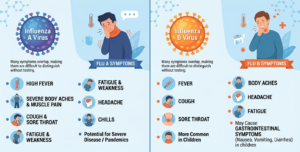
Influenza B is a contagious viral respiratory illness caused strictly by human-adapted influenza B viruses. Unlike influenza A, which infects both humans and various animals and drives global pandemics, influenza B circulates primarily among humans, triggering seasonal epidemics. It features two primary lineages (Victoria and Yamagata) and accounts for a significant portion of annual seasonal flu cases.
Influenza B Symptoms
Recognizing the signs early helps differentiate a routine upper respiratory bug from a more severe viral attack. Influenza B symptoms typically manifest abruptly 1 to 4 days after exposure to the pathogen.
Commonly reported clinical signs include:
-
Sudden onset of high fever
-
Persistent dry cough that can linger for weeks
-
Severe headache and body aches
-
Intense fatigue, exhaustion, and malaise
-
Sore throat and nasal congestion or runny nose
When to See a Doctor
While most individuals recover independently within a week or two, certain red-flag symptoms require immediate medical intervention. Seek urgent care if you notice difficulty breathing, persistent chest pain, sudden confusion, bluish lips or face, or a high fever that fails to respond to over-the-counter medications.
What Causes Influenza B and How Does It Spread?
The root causes of influenza B trace back to person-to-person transmission via respiratory droplets. When an infected individual coughs, sneezes, or talks, virus-laden droplets disperse into the air and can be inhaled by anyone nearby. You can also contract the virus by touching contaminated surfaces or objects and subsequently touching your eyes, nose, or mouth.
Influenza B vs Influenza A: Key Differences
Though both strains present similar respiratory complaints, distinct clinical and epidemiological boundaries separate them.
Influenza B Treatment Options
Effective influenza B treatment focuses on symptom relief and, when necessary, arresting viral replication.
-
Antiviral Medications: Prescription antivirals (such as oseltamivir or baloxavir marboxil) can shorten the duration of illness and reduce the severity of symptoms. These medications work best when administered within 48 hours of initial symptom onset.
-
Supportive Care at Home: Ample rest, proper hydration with water and electrolyte solutions, and over-the-counter fever reducers or pain relievers help manage discomfort effectively.
-
Avoiding Antibiotics: Because influenza B is a viral infection, antibiotics are completely ineffective unless a secondary bacterial complication (such as bacterial pneumonia or a sinus infection) develops.
The Role of the Influenza B Vaccine
An annual influenza B vaccine remains the single most effective defense against acquiring or spreading the infection. Because circulating viral strains mutate through minor genetic changes (antigenic drift), vaccines are updated annually.
Modern flu formulations are typically quadrivalent, meaning they protect against four distinct strains—including two strains of influenza A and two lineages of influenza B. Getting vaccinated safeguards vulnerable populations, including young children, pregnant women, older adults, and individuals with chronic medical conditions, minimizing the risk of severe hospitalizations.
Read More Blog : UTI in Elderly People: Symptoms, Causes, Treatment and Prevention Tips
How to Prevent Influenza B
Integrating simple hygiene protocols into your daily routine drastically cuts down transmission rates within homes, schools, and workplaces:
-
Get Vaccinated Annually: Schedule your yearly flu shot ahead of peak viral seasons.
-
Practice Hand Hygiene: Wash your hands frequently with soap and water for at least 20 seconds, or use an alcohol-based hand sanitizer.
-
Maintain Distance and Mask: Avoid close contact with individuals showing signs of respiratory illness, and wear well-fitted masks in crowded indoor environments during outbreaks.
-
Isolate When Sick: Stay home if you feel unwell to prevent passing the virus to colleagues, family members, or classmates.
Conclusion
Understanding influenza B—from its sudden onset of high fever and body aches to effective antiviral treatments—empowers you to protect yourself and your family during seasonal outbreaks. While most healthy adults recover smoothly with rest and hydration, getting an annual flu shot and practicing consistent hand hygiene remain your strongest defenses against severe complications. If your symptoms worsen or you belong to a high-risk group, consult a healthcare professional promptly for personalized medical guidance.
Frequently Asked Questions (FAQs)
Can influenza B cause serious health complications?
Yes. While many experience a standard moderate illness, high-risk groups—such as young children, older adults, pregnant women, and immunocompromised individuals—can develop severe medical issues like viral pneumonia, bronchitis, sinus infections, or worsening chronic conditions.
Is an influenza B vaccine safe during pregnancy?
Yes, getting an inactivated flu shot is safe and strongly recommended during pregnancy. It protects the expectant mother from severe illness while passing passive immunity to the newborn infant during their vulnerable first few months of life.
How long is a person with influenza B contagious?
An infected individual can spread the virus starting about one day before experiencing any noticeable symptoms and remain contagious for up to 5 to 7 days after symptoms begin. Children and immunocompromised individuals may shed the virus for even longer periods.
Can the flu shot give you influenza B?
No. Injectable influenza vaccines contain inactivated (killed) viral particles or components that cannot replicate or cause the flu. Mild side effects such as low-grade fever or arm soreness simply indicate that your immune system is actively building protective antibodies.