

Ringworm is a common and highly contagious fungal skin infection that affects millions of people worldwide. Despite its misleading name, there are no worms involved. Instead, the condition—medically known as tinea or dermatophytosis—is caused by microscopic mold-like fungi that thrive on the dead tissues of your skin, hair, and nails.
Whether you are trying to understand what triggered a sudden red patch, looking for an effective ringworm infection treatment, or exploring natural home remedies for ringworm, this comprehensive guide covers everything you need to know to clear the infection safely and prevent it from coming back.
What is Ringworm?
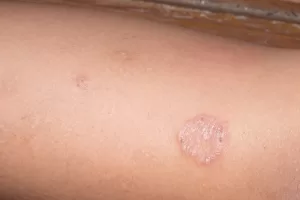
Ringworm is a superficial fungal infection of the skin characterized by a distinct, circular rash with raised, red, scaly borders that often clear up in the center, giving it a ring-like appearance. It can appear anywhere on the body, including the scalp (tinea capitis), feet (tinea pedis or athlete’s foot), groin (tinea cruris or jock itch), and hands (tinea manuum).
Ringworm Symptoms: How to Identify the Rash
Recognizing ringworm symptoms early can prevent the infection from spreading to other parts of your body or to other people. The presentation can vary depending on where the infection is located, but common clinical signs include:
- Circular or Oval Rashes: A scaly, red, itchy patch that often features a sharply defined raised edge.
- Clear or Scaly Center: The skin inside the ring often looks healthy or mildly scaly, while the active perimeter advances outward.
- Intense Itching: The affected area can become severely itchy, irritated, and inflamed.
- Blisters or Pustules: In some cases, small fluid-filled blisters or pus-filled bumps may form along the border.
- Hair Loss and Scalp Flaking: When ringworm infects the scalp, it causes patchy hair loss, brittle hair, scaling, and tender bumps.
- Discolored, Thickened Nails: If nail ringworm (onychomycosis) occurs, nails may turn yellowish, brown, or opaque, and become brittle or crumbly.
Common ringworm symptoms include a distinct circular, red, scaly rash with raised borders, intense itching, central clearing, and localized hair loss if it affects the scalp.
Ringworm Causes: How Does the Infection Spread?
Understanding ringworm causes is essential for stopping transmission. The fungi responsible for ringworm belong to genera such as Trichophyton, Microspores, and Epidermophyton. They spread through three primary pathways:
- Human-to-Human Contact: Direct skin-to-skin contact with an infected person is a frequent transmission route, especially in crowded environments or contact sports like wrestling.
- Animal-to-Human Contact: Pets—particularly cats, dogs, cows, and horses—can carry ringworm fungi and transmit them to humans when petted or handled.
- Object-to-Human (Fomites) Contact: Fungi can survive for extended periods on surfaces, clothing, towels, bedding, hairbrushes, and gym equipment. Sharing these items facilitates infection.
- Soil-to-Human Contact: In rare cases, prolonged contact with heavily infected soil can transmit the fungus.
Effective Ringworm Infection Treatment Options
When managing a persistent or expanding infection, targeted ringworm infection treatment is necessary to eliminate the fungus at its root.
Over-the-Counter (OTC) Topical Treatments
For mild skin infections like body ringworm or athlete’s foot, OTC antifungal creams, lotions, or ointments are usually sufficient. Look for formulations containing active ingredients such as:
- Clotrimazole
- Terbinafine
- Ketoconazole
- Miconazole
Apply the cream strictly according to package instructions—typically continuing use for 1 to 2 weeks after the visible rash disappears to ensure the fungus is fully eradicated.
Prescription Treatments
If the infection affects the scalp, involves the nails, covers a large surface area, or does not respond to OTC care after two weeks, a healthcare provider may prescribe:
- Stronger Topical Medications: Prescription-strength antifungal creams or medicated shampoos.
- Oral Antifungal Medications: Pills such as terbinafine, itraconazole, or griseofulvin, which work systemically to clear stubborn or deep-seated fungal infections.
Proven Home Remedies for Ringworm
Many people look for natural remedies for ringworm to soothe irritation and complement medical treatments. While mild cases may respond well to natural care, severe infections require professional oversight. Here are the most popular home remedies for ringworm:
1. Tea Tree Oil
Native to Australia, tea tree oil is widely celebrated for its potent natural antifungal and antibacterial properties.
- How to use: Dilute a few drops of tea tree oil in a carrier oil like coconut or olive oil. Dab it onto the affected area using a clean cotton ball 2 to 3 times a day.
2. Coconut Oil
Pure, unheated virgin coconut oil contains medium-chain fatty acids (such as lauric and caprylic acid) that exhibit antifungal activity, helping disrupt fungal cell membranes.
- How to use: Warm a small amount of coconut oil until liquid and apply it directly to the skin or scalp 3 times daily. It also helps soothe dryness and flaking.
3. Apple Cider Vinegar (ACV)
Apple cider vinegar has acidic properties and natural antifungal characteristics that help cleanse the skin surface and balance pH.
- How to use: Soak a cotton ball in raw, unrefined apple cider vinegar and dab it gently across the ringworm rash two to three times daily.
4. Turmeric Paste
Curcumin, the active compound in turmeric, possesses powerful anti-inflammatory and antimicrobial properties that discourage microbial growth.
- How to use: Mix turmeric powder with a few drops of water or coconut oil to form a thick paste. Apply it to the rash, let it dry for 15–20 minutes, and rinse thoroughly. (Note: Turmeric can temporarily stain skin yellow.)
Read More Blog : Strawberry Skin: Causes, Removal Tips, Home Remedies, and Prevention
Medical Treatment vs. Home Remedies: Comparison Table
To help you decide the best approach for managing your condition, here is a quick comparison between conventional medical treatments and natural home remedies:
| Feature | Medical Treatments (OTC & Prescription) | Home Remedies (Natural Care) |
| Primary Action | Directly targets and destroys dermatophyte fungal cells. | Soothes itching, reduces inflammation, and offers mild antifungal support. |
| Speed of Results | Fast-acting; typically clears visible rash within 1 to 3 weeks. | Slower response; best suited for early-stage or mild, localized spots. |
| Best Used For | Stubborn, widespread, scalp, or nail infections. | Mild skin patches, soothing irritation, and preventative support. |
| Scientific Backing | Extensively backed by clinical trials and dermatology guidelines. | Primarily supported by traditional use and preliminary anecdotally reported benefits. |
How to Get Rid of Ringworm Fast: Prevention and Best Practices
Knowing how to get rid of ringworm also involves altering daily habits to prevent reinfection and stop the fungus from spreading to others:
- Keep Skin Clean and Dry: Fungi thrive in warm, damp environments. Wash the infected area daily with mild soap and thoroughly pat it dry.
- Wear Loose Clothing: Choose breathable cotton fabrics instead of tight synthetic garments that trap sweat and moisture against the skin.
- Avoid Sharing Personal Items: Never share towels, clothing, hairbrushes, razors, or athletic gear.
- Sanitize Laundry: Wash clothes, bedsheets, and towels used by an infected individual separately in hot water with disinfectant detergent.
- Treat Household Pets: If your pets have bald patches or unexplained skin scaling, take them to a veterinarian for evaluation, as animals are a common reservoir for ringworm.

Conclusion
Ringworm may be a common fungal infection, but understanding its causes, identifying key symptoms early, and taking timely action makes it completely manageable. Whether you rely on over-the-counter creams, prescription antifungal medications, or soothing natural home remedies, consistency is the key to clearing the infection and stopping its spread. By practicing good hygiene, keeping your skin dry, and completing your full course of treatment, you can banish the rash quickly and keep your skin healthy and clear.
Frequently Asked Questions (FAQs)
1. How long does it take for a ringworm to completely heal?
With consistent use of prescription or OTC antifungal medications, superficial skin ringworm typically resolves within 2 to 4 weeks. However, scalp or nail infections can take several months of dedicated treatment to clear entirely.
2. Can I use regular steroid creams on ringworm?
No. You should avoid applying over-the-counter hydrocortisone or steroid creams to ringworm unless explicitly prescribed by a doctor. Steroids suppress local immune responses, which can cause the fungus to multiply rapidly, altering the rash’s appearance and worsening the infection (a condition known as tinea incognito).
3. Is ringworm contagious after starting treatment?
Yes, ringworm remains contagious for the first 24 to 48 hours after you begin applying proper antifungal treatment. It is best to avoid direct skin contact, public swimming pools, and shared sports until the treatment has had time to take effect.
4. When should I see a doctor for ringworm?
You should consult a dermatologist or healthcare professional if the infection does not improve after two weeks of OTC treatment, if it spreads to your scalp or nails, if you experience signs of a secondary bacterial infection (such as pus, warmth, or fever), or if you have a compromised immune system.
5. Can ringworm return after it has completely cleared up?
Yes, ringworm can recur if you come into contact with the fungus again or if the initial infection wasn’t fully eradicated. Fungal spores can survive on surfaces, clothing, bedding, and pet fur for long periods.