
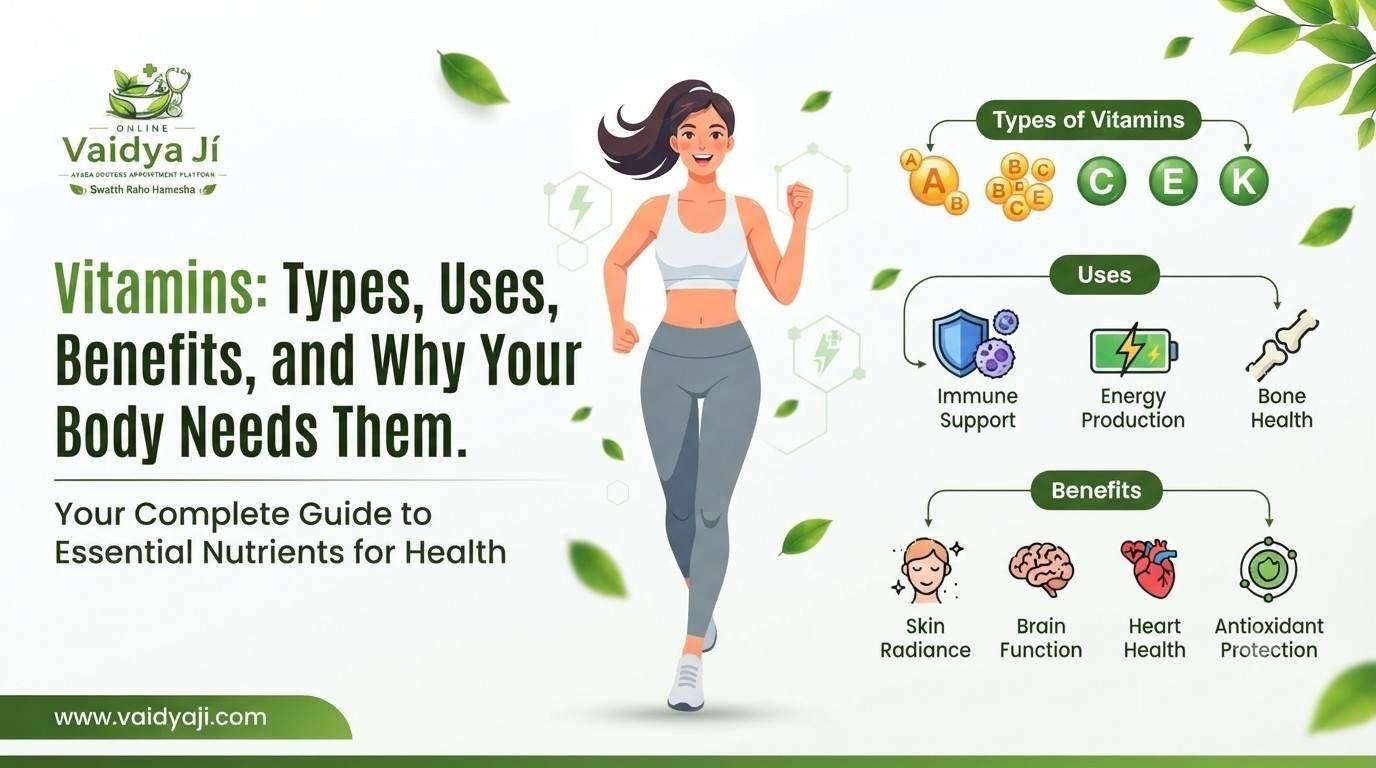
Vitamins are essential organic compounds that your body requires in small quantities to function properly, support growth, and maintain overall health. Because the human body cannot synthesize most of these nutrients on its own—or produces them in inadequate amounts—they must be obtained primarily through a balanced diet.
Understanding the uses of vitamins, recognizing the total vitamins in the human body, and appreciating their profound importance of vitamins can help you unlock optimal wellness and disease prevention.
What Are Vitamins and How Many Are There?
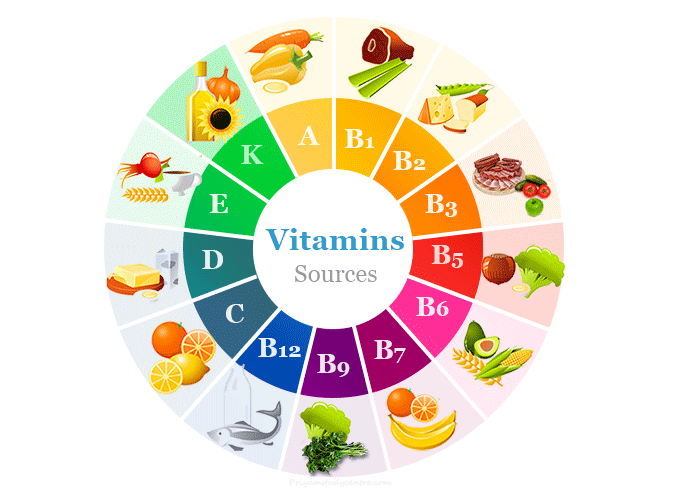
There are 13 essential vitamins recognized in human nutrition. They are divided into two distinct groups based on how they dissolve, behave, and get stored within the body: fat-soluble and water-soluble.
When tracking the total vitamins in the human body, nutritionists look at these 13 individual compounds. Each plays a specialized biochemical role, acting as coenzymes, antioxidants, or regulators of cellular function.
Read More Blog : Red Spots on Skin: Common Causes, Symptoms, and When to Seek Medical Help
Fat-Soluble vs. Water-Soluble Vitamins: A Comparison
The body handles fat-soluble and water-soluble vitamins differently. Fat-soluble vitamins dissolve in fats and can be stored in the liver and fatty tissues, whereas water-soluble vitamins dissolve in water and must be replenished regularly.
| Feature | Fat-Soluble Vitamins (A, D, E, K) | Water-Soluble Vitamins (Vitamin C & B-Complex) |
| Storage in Body | Stored in liver and fatty tissues | Not stored; excess is flushed out via urine |
| Frequency of Intake | Required in smaller, less frequent quantities | Needed daily through diet |
| Risk of Toxicity | Higher risk of toxicity if consumed in excessive doses | Low risk, as excess leaves the body naturally |
| Primary Absorption | Absorbed alongside dietary fats via the gut | Absorbed directly into the bloodstream during digestion |
Types, Sources, and Key Uses of Vitamins
Every single vitamin performs specific tasks that keep your physiological systems running smoothly. Evaluating the core uses of vitamins helps clarify why dietary diversity matters.
1. Vitamin A (Retinol / Beta-Carotene)
- Primary Uses: Essential for maintaining sharp vision, supporting immune defense, and promoting cellular differentiation and skin health.
- Top Food Sources: Carrots, sweet potatoes, spinach, dairy, and eggs.
2. The B-Complex Group (B1, B2, B3, B5, B6, B7, B9, B12)
- Primary Uses: The importance of vitamins in the B-complex family centers around energy metabolism. They help convert food into cellular energy, support red blood cell formation, and maintain a healthy nervous system.
- Top Food Sources: Whole grains, lean meats, eggs, dairy, beans, and dark leafy greens.
3. Vitamin C (Ascorbic Acid)
- Primary Uses: Acts as a potent antioxidant, promotes wound healing, aids in collagen production, and significantly boosts iron absorption from plant-based foods.
- Top Food Sources: Citrus fruits (oranges, lemons), bell peppers, strawberries, and broccoli.
4. Vitamin D (Calciferol)
- Primary Uses: Often called the “sunshine vitamin,” it regulates calcium and phosphorus levels, ensuring strong bones and teeth while bolstering immune resilience.
- Top Food Sources: Sunlight exposure, fatty fish, fortified milk, and egg yolks.
5. Vitamin E
- Primary Uses: Protects cell membranes from oxidative stress caused by free radicals, supporting skin health and immune function.
- Top Food Sources: Nuts, seeds, vegetable oils, and spinach.
6. Vitamin K
- Primary Uses: Indispensable for proper blood clotting and long-term bone mineralization.
- Top Food Sources: Kale, spinach, broccoli, and other green leafy vegetables.
Read More Blog : Oily Skin: Effective Home Remedies and Skincare Tips to Control Excess Oil
The Core Advantages of Vitamins for Overall Health
Embracing the primary advantages of vitamins goes far beyond avoiding overt deficiency illnesses like scurvy or rickets. Regular intake yields sweeping systemic benefits:
- Immune System Enhancement: Vitamins like A, C, D, and E coordinate white blood cell activity to fight off pathogens.
- Energy and Metabolism Boost: B-vitamins ensure your cells efficiently turn macronutrients into usable fuel, combating chronic fatigue.
- Radiant Skin and Strong Hair: Antioxidant vitamins protect dermal layers from environmental stressors, preserving moisture, elasticity, and cellular repair.
- Cognitive Protection: Adequate levels of B-complex vitamins (especially B6, B9, and B12) support neurological pathways, mood regulation, and memory retention.
Do You Need Vitamin Supplements?
While a well-rounded diet rich in whole foods is typically enough to supply all necessary micronutrients, supplements may be recommended for individuals with specific dietary restrictions, absorption issues, or diagnosed deficiencies.
Over-supplementation—particularly with fat-soluble vitamins—can lead to adverse side effects or toxicity. Always consult a healthcare professional before adding high-dose multivitamin regimens to your routine.
Conclusion
Incorporating a diverse range of nutrient-dense foods into your daily meals is the most effective way to harness the incredible uses of vitamins and support your overall well-being. By understanding the distinct total vitamins in the human body and appreciating the vital importance of vitamins, you can make informed dietary choices that boost immunity, enhance energy levels, and protect long-term health. Ultimately, recognizing the profound advantages of vitamins empowers you to build a sustainable foundation for a healthier, more vibrant life.
Frequently Asked Questions (FAQs)
What are the 13 essential vitamins needed by the human body?
The 13 essential vitamins include Vitamin A, Vitamin C, Vitamin D, Vitamin E, Vitamin K, and the 8 B-complex vitamins (Thiamine/B1, Riboflavin/B2, Niacin/B3, Pantothenic Acid/B5, Pyridoxine/B6, Biotin/B7, Folate/B9, and Cobalamin/B12).
How do fat-soluble and water-soluble vitamins differ?
Fat-soluble vitamins (A, D, E, K) dissolve in fat and are stored in the body’s liver and fatty tissues for longer periods. Water-soluble vitamins (C and the B-family) dissolve in water, cannot be stored in large amounts, and require daily replenishment because excess amounts are excreted through urine.
Can you get enough vitamins from food alone?
Yes, eating a diverse, balanced diet rich in colorful fruits, vegetables, whole grains, lean proteins, and healthy fats can comfortably meet the daily nutritional requirements of a healthy individual. However, specific life stages (like pregnancy) or medical conditions may require targeted supplementation.
What are the signs of a vitamin deficiency?
Signs of a vitamin deficiency vary depending on which nutrient your body lacks, but common symptoms include persistent fatigue, weakness, pale or dry skin, brittle hair and nails, mouth ulcers, and frequent infections. For instance, a lack of Vitamin D may cause bone pain and muscle weakness, while low B12 can lead to brain fog and tingling in the hands or feet. A blood test ordered by a healthcare professional is the most accurate way to diagnose a deficiency.
Are natural vitamins better than synthetic ones?
In most cases, your body absorbs and utilizes vitamins from natural food sources more efficiently because they come packaged with complementary co-factors, fiber, and minerals. However, chemically speaking, your body often cannot tell the difference between the molecular structure of a natural vitamin and a synthetic one. High-quality supplements can effectively bridge nutritional gaps, provided they are taken under proper guidance and paired with a healthy diet.