
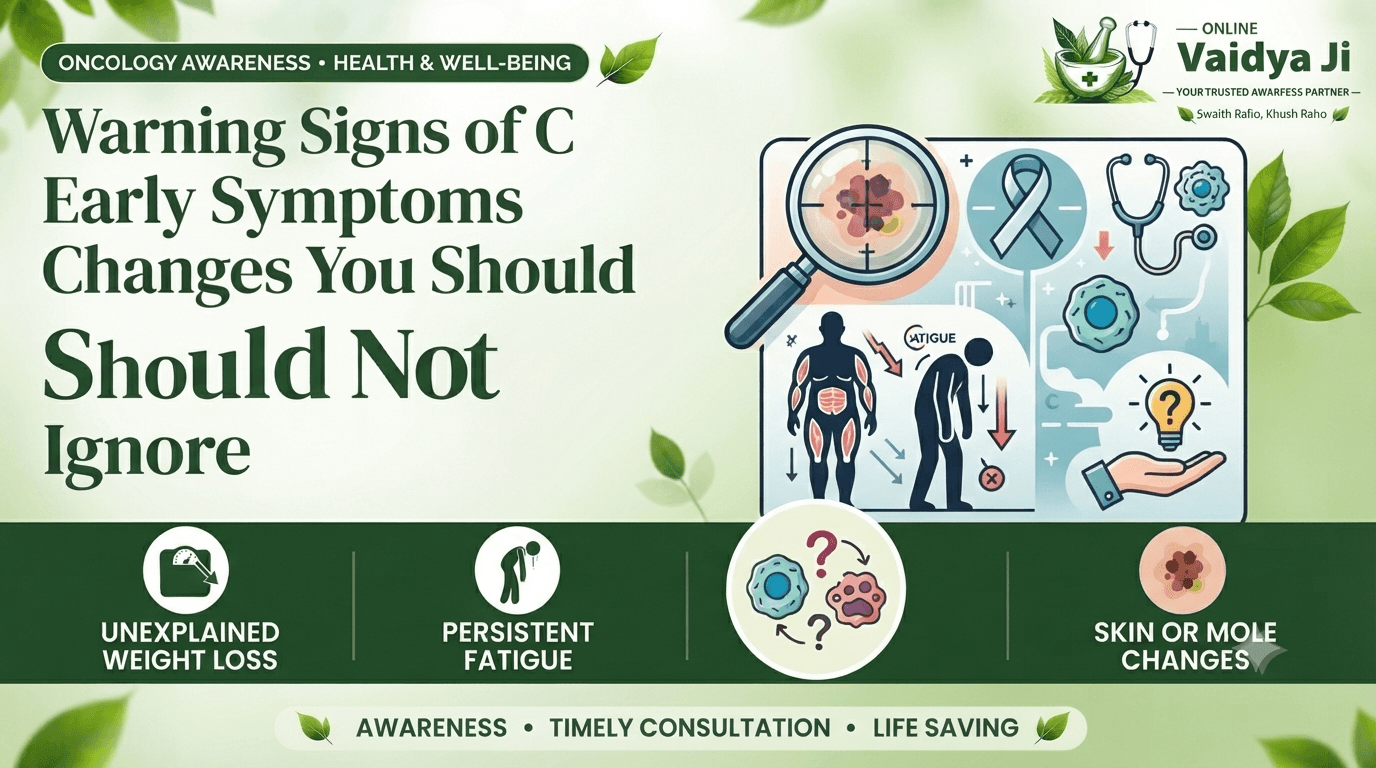
Understanding the warning signs of cancer is one of the most powerful steps you can take toward protecting your long-term health. While the word “cancer” often brings fear, knowing what changes to look out for can make a significant difference. In many cases, early-stage changes develop gradually, and recognizing these subtle signals allows you to seek timely medical advice.
This guide explores the crucial physical shifts, subtle early warning signs of cancer, and critical cancer indicators that everyone should monitor. Whether you are wondering how to tell you have cancer or simply trying to stay informed, recognizing these signs early helps ensure better health outcomes.
What Are the Warning Signs of Cancer?
Warning signs of cancer are unusual, persistent physical or internal shifts in the body—such as unexplained weight loss, persistent fatigue, unexplained lumps, or unusual bleeding—that do not resolve with standard rest or care and require professional medical evaluation.
Warning signs of cancer are abnormal bodily changes indicating that something is not functioning normally. These can manifest as visible physical symptoms, such as surface lumps or bleeding, or internal changes, such as chronic digestive shifts or deep-seated fatigue.
In early stages, cancer may not present any noticeable symptoms for months. However, persistent, recurring, or worsening symptoms should never be ignored. While these signs can often result from common, non-cancerous illnesses, persistent anomalies demand clinical diagnosis.
Read More Blog : Benefits of Ice on Face: 10 Ways Ice May Improve Your Skin
Early Warning Signs of Cancer: Key Symptoms to Watch For
Recognizing subtle physiological changes can prompt timely medical interventions. Below are the primary indicators that require clinical attention:
1. Unexplained Weight Loss
Sudden, unintended weight loss without any deliberate diet or exercise changes is a vital red flag. This often occurs because cancer alters how the body processes energy, combined with a potential loss of appetite. It is frequently associated with cancers of the pancreas, lungs, stomach, and esophagus.
2. Persistent Fatigue
Extreme exhaustion that does not improve despite adequate sleep and rest is another critical indicator. Cancer-related fatigue is often driven by internal inflammation, metabolic shifts, or anemia, commonly appearing in blood cancers, breast cancer, or colon cancer.
3. New Lumps or Tissue Swelling
A newly formed lump, knot, or thickened area underneath the skin—particularly in the breasts, neck, armpits, or groin—should always be evaluated. While lymph nodes often swell due to benign infections (becoming soft and tender), cancerous lumps are typically hard, fixed, non-tender, and slowly progressive.
4. Unusual Bleeding or Discharge
Bleeding that occurs without any apparent injury is a strong warning sign. This can include coughing up blood, blood in the stool or urine, or unexpected vaginal or post-menopausal bleeding. Any abnormal bleeding requires immediate diagnostic testing.
5. Skin and Mole Changes
Developing new moles or noticing changes in existing moles—such as alterations in size, asymmetry, irregular borders, shifting colors, itching, or bleeding—can point toward skin cancer. Non-healing skin ulcers or unexplained nail bed changes should also be reviewed.
6. Persistent Pain and Discomfort
Unexplained pain that lasts for weeks, worsens over time, or refuses to go away with standard remedies can sometimes indicate underlying tumor pressure or nerve involvement.
Understanding Cancer Indicators: Physical vs. Systemic Changes
To better understand how different symptoms correspond to bodily shifts, the comparison table below highlights key physical versus systemic cancer indicators:
| Indicator Type | Common Symptoms | Potential Underlying Systemic Cause |
| Local / Physical | Hard skin lumps, visible moles changing shape, persistent localized pain, localized swelling. | Direct tissue distortion, cellular growth pressing against nerves or organs. |
| Systemic / Metabolic | Extreme fatigue, unexplained weight loss, night sweats, continuous low-grade fever. | Altered metabolic pathways, immune system response, release of inflammatory cytokines. |
Detecting cancer early is vital because it drastically increases treatment success rates, improves long-term survival odds, minimizes complications, and allows for less invasive therapeutic approaches.
Early detection changes the trajectory of a diagnosis. When caught in its earliest phases, cancer is typically localized and smaller in size. This offers several clinical advantages:
- Higher Treatment Success: Localized cancer responds significantly better to therapies.
- Lower Invasive Burden: Patients often require less aggressive surgical or chemical treatments.
- Quicker Recovery: Shorter hospital stays and reduced physical complications.
- Lower Financial Stress: Early interventions reduce long-term medical expenditures compared to advanced-stage treatments.
Read More Blog : Hantavirus Symptoms: Early Signs, Causes, Transmission & Prevention
When to Consult a Doctor?
You should consult a qualified medical practitioner if you experience:
- Any persistent symptom that worsens, becomes more frequent, or returns repeatedly after temporary relief.
- A gut feeling that something is fundamentally wrong with your body, even if the symptoms feel minor.
- High-risk background factors, such as a family history of cancer, long-term tobacco use, chronic alcohol consumption, or age-related vulnerabilities, accompanied by unusual physical changes.

Conclusion
Recognizing the early warning signs of cancer is one of the most proactive steps you can take for your long-term health and well-being. While symptoms like persistent fatigue, unexplained weight loss, unusual lumps, or chronic pain can often stem from non-cancerous conditions, they should never be ignored. Paying close attention to these critical early warning signs of cancer and understanding underlying cancer indicators empowers you to seek professional medical advice before minor shifts become complex health challenges.
Ultimately, knowing how to tell you have cancer or identifying unusual bodily changes early dramatically shifts treatment outcomes, improving survival rates and ensuring less invasive recovery options. Prioritizing routine health check-ups and listening to your body gives you the best defense against advanced disease.
Frequently Asked Questions (FAQs)
What are the main warning signs of cancer?
The primary warning signs include unexplained weight loss, persistent fatigue, unusual lumps or swelling, chronic pain, skin or mole changes, and unexplained bleeding or discharge.
How can you tell if a body lump is dangerous?
Cancerous lumps are typically hard, irregular in shape, fixed in place rather than movable, and tend to grow larger over time without tenderness. Any new lump should be evaluated via clinical imaging or biopsy.
What causes most cancer cases?
Only a small percentage (around 5–10%) of cancers are linked to inherited genetic factors. The vast majority (90–95%) are driven by environmental and lifestyle factors, such as tobacco use, poor diet, chronic inflammation, obesity, and excessive sun exposure.
Can early-stage cancer be completely asymptomatic?
Yes. Many types of cancer develop slowly and may not exhibit any visible or internal warning signs during their early stages, which is why routine health screenings and check-ups are essential.