
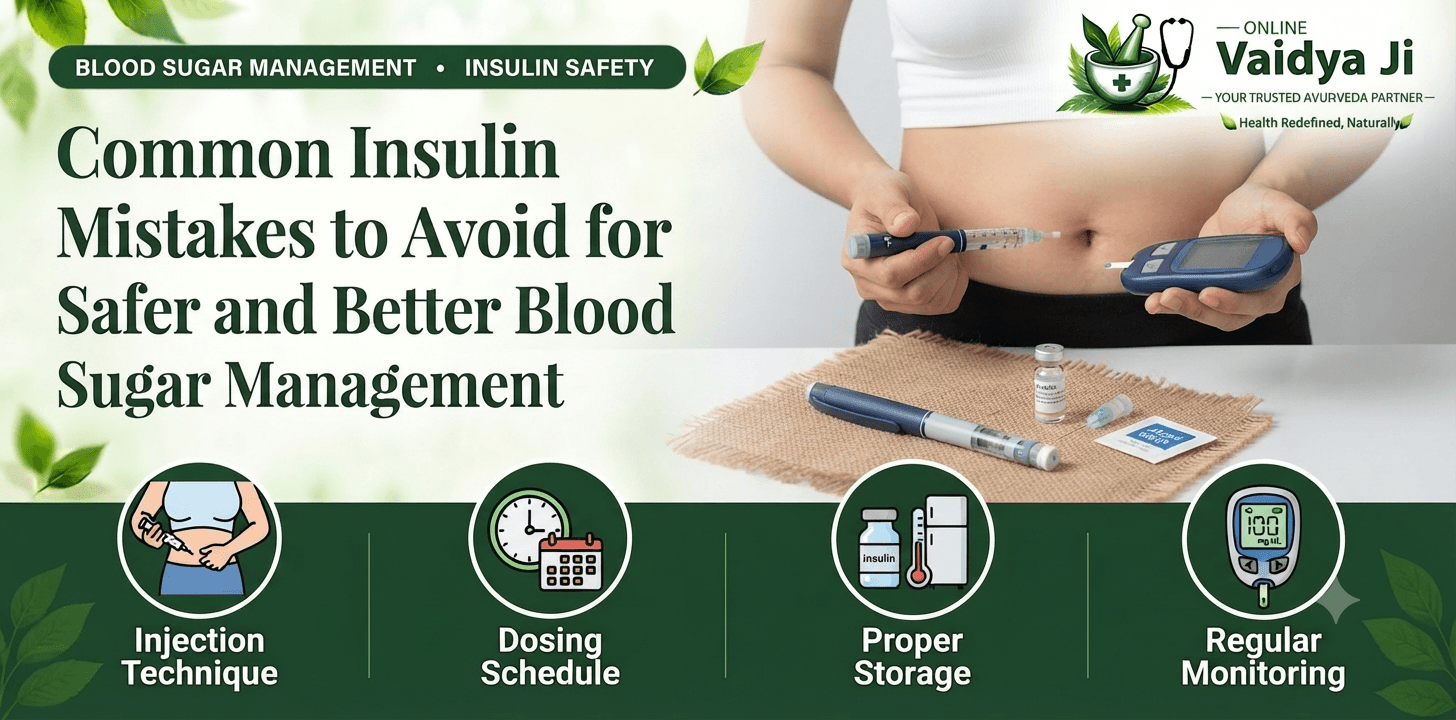
Managing diabetes effectively requires precision, patience, and consistency. Common Insulin Mistakes For many individuals, insulin is a vital lifeline that helps regulate blood glucose levels and prevent severe complications. However, even with the best intentions, small errors in daily administration, timing, and storage can significantly impact treatment outcomes. Recognizing these pitfalls is the first step toward achieving stable blood sugar control.
Why Is Proper Insulin Use Important?
Proper insulin usage ensures that glucose is effectively converted into energy, prevents dangerous glycemic fluctuations (hypoglycemia and hyperglycemia), and protects long-term organ health.
When you use insulin exactly as prescribed, it mimics the natural function of the pancreas. Proper application offers several critical health advantages:
- Optimal Glucose Utilization: Facilitates the entry of glucose into cells to power daily activities.
- Prevention of Complications: Lowers the risk of long-term diabetes-related damage to the nerves, kidneys, eyes, and cardiovascular system.
- Glycemic Stability: Minimizes sudden spikes and dangerous drops in blood sugar.
Common Mistakes Insulin Users Should Avoid
Frequent errors include skipping doses, taking incorrect amounts, mistiming injections, failing to rotate sites, and reusing needles. Being aware of these missteps helps protect against erratic blood sugar swings.
Even long-term users can inadvertently fall into habits that compromise treatment efficacy. The most common insulin mistakes to avoid include:
- Skipping or Missing Doses: Forgetting a dose can trigger sudden hyperglycemia (high blood sugar).
- Taking Incorrect Doses: Guessing units or miscalculating carbohydrate ratios can result in either severe hypoglycemia or uncontrolled high blood sugar.
- Using the Wrong Insulin Type: Mixing up rapid-acting, short-acting, intermediate, or long-acting formulas alters the speed and duration of glucose lowering.
- Administering at the Wrong Time: Taking mealtime insulin too late or too early reduces its metabolic match with food digestion.
- Failing to Rotate Injection Sites: Repeatedly piercing the exact same spot leads to fatty lumps or scar tissue, known as lipohypertrophy, which drastically disrupts insulin mistakes that affect blood sugar control by delaying absorption.
Read More Blog : Warning Signs of Cancer: Early Symptoms and Changes You Should Not Ignore
Common Insulin Storage Mistakes to Avoid
Improper storage—such as exposing insulin to extreme heat, direct sunlight, or freezing temperatures—destroys its active proteins and renders it ineffective.
Maintaining the structural integrity of your medication is just as important as correct dosing. Keep these storage guidelines in mind:
- Temperature Control: Keep unopened vials or pens in the refrigerator between 2°C and 8°C. Once opened, most can be kept at room temperature (below 30°C) for up to 28 days.
- Avoid Freezing: Never store insulin near the freezer compartment or expose it to freezing weather. Frozen insulin must be discarded immediately, even if it has thawed.
- Travel Safety: Use an insulated pouch during hot weather and never leave your supplies in a parked vehicle or checked airline luggage.
- Needle Removal: Always detach the pen needle after every injection to prevent air from entering the cartridge and medicine from leaking.
How to Use Insulin Safely: Step-by-Step Best Practices
Using insulin safely involves verifying expiration dates, practicing proper hand hygiene, inspecting injection sites, and following the correct needle angle and dwell time.
Mastering the mechanics of how to use insulin safely guarantees that your dose is delivered into the subcutaneous tissue rather than muscle. Follow these steps:
- Inspect the Medication: Check for discoloration, clumps, or particles (unless it is a cloudy suspension that requires gentle rolling).
- Prep the Site: Wash your hands thoroughly and ensure the injection site is clean and dry.
- Pinch a Skin Fold: Gently pinch a fold of skin to lift the subcutaneous fat away from the muscle.
- Insert and Wait: Insert the needle at a 90-degree angle (or as advised by your educator), press the plunger fully, and count slowly to 10 before pulling the needle out. This prevents leakage.
- Dispose Safely: Never reuse needles, as dull tips cause tissue trauma and increase infection risk.
Managing Common Insulin Challenges and Side Effects
Managing side effects like hypoglycemia, weight gain, or injection-site bruising requires proactive monitoring, consistent meal planning, and prompt communication with your healthcare provider.
Navigating daily diabetes care can present hurdles, but recognizing symptoms early makes a major difference:
- Recognizing Hypoglycemia: Watch for shaking, sweating, confusion, and dizziness. Keep fast-acting carbohydrates (like glucose tablets or fruit juice) nearby at all times.
- Addressing Lipohypertrophy: Visually inspect and palpate your skin regularly. Give thickened areas time to heal by strictly avoiding them during rotation.
- Managing Weight Fluctuations: Work with a clinical dietitian to align your caloric intake and carbohydrate portions with your insulin regimen.
Read More Blog : Tattoos and Skin Cancer: Is There a Link You Should Know About?
Lifestyle Habits That Support Better Insulin Management
Combining your insulin therapy with balanced nutrition, regular physical activity, adequate hydration, and stress management optimizes your overall metabolic health.
Lifestyle choices directly influence your body’s insulin sensitivity. To enhance your routine:
- Eat Consistent Meals: Focus on high-fiber vegetables, lean proteins, healthy fats, and complex carbohydrates while avoiding erratic meal schedules.
- Stay Active: Regular exercise improves insulin sensitivity, but remember to monitor your blood glucose before, during, and after workouts.
- Prioritize Sleep and Hydration: Chronic fatigue and dehydration can disrupt normal hormone regulation and blood sugar stability.
What Should You Do If You Miss an Insulin Dose?
If you miss an injection, check your blood glucose immediately, consult your care plan or physician, and avoid taking a double dose unless explicitly authorized.
Mistakes happen, but how you respond matters:
- Check your current blood sugar level to gauge your immediate risk.
- Review your specific insulin type guidelines (basal vs. bolus) or contact your endocrinologist.
- Monitor your readings closely over the subsequent 24 hours to catch any rebound highs or lows.

Conclusion: Achieving Better Control by Avoiding Common Insulin Mistakes
Mastering diabetes management is an ongoing journey that relies heavily on precision, consistency, and daily mindfulness. As we have explored, even minor oversights—such as incorrect storage temperatures, rushed injection techniques, skipped doses, or failing to rotate injection sites—can create significant volatility in your daily readings. By identifying and actively correcting these common insulin mistakes, you can protect yourself from unpredictable glycemic fluctuations, safeguard your long-term organ health, and drastically improve your quality of life.
Frequently Asked Questions (FAQs)
What are the most common insulin injection mistakes?
The most frequent errors include reusing needles, failing to rotate injection sites, injecting into hardened fatty lumps (lipohypertrophy), and removing the needle too quickly before the full dose is delivered.
Can I store opened insulin at room temperature?
Yes. Most opened insulin pens or vials can safely remain at room temperature (under 30°C) for up to 28 to 42 days, depending on the manufacturer’s guidelines, shielding it from direct sunlight and extreme heat.
Why is rotating my insulin injection site important?
Constantly injecting into the exact same spot damages underlying fatty tissue, creating lumps that impair proper insulin absorption and lead to unpredictable blood sugar spikes and drops.
What should I do if my blood sugar remains high despite taking insulin?
Check your insulin’s expiration date and storage history, verify your injection technique, review your recent food intake, and contact your healthcare provider for guidance rather than altering doses independently.